UAE's Impact Investors: Profit With Purpose in the Gulf
As the Gulf's ultra-high-net-worth community recalibrates its capital allocation strategies, the UAE has emerged as the undisputed nucleus of impact investing across the MENA region, channeling billions of dirhams into ventures that simultaneously generate measurable social returns and robust financial yields. Family offices from Abu Dhabi to Dubai are increasingly abandoning the outdated notion that philanthropy and profit occupy opposing ends of the investment spectrum, instead embracing a sophisticated dual-mandate framework that positions the Emirates as a global benchmark for purpose-driven wealth stewardship.…

Something quietly significant is happening in the Gulf. Across Abu Dhabi boardrooms, Riyadh strategy sessions, and Dubai family offices, a generation of wealth holders is reshaping what it means to deploy capital at scale — not by choosing between financial return and social impact, but by refusing to accept that distinction in the first place. The UAE, in particular, has become the operational centre of a regional impact investment movement that is now drawing some of the world's most sophisticated institutional partners and commanding genuinely transformative sums.
Alterra Sets the Standard for Climate Capital at Gulf Scale
The clearest signal of how far this shift has travelled came in January 2026, when Alterra — the Abu Dhabi-based climate investment vehicle backed by the UAE government with a $30 billion mandate — announced a $1.2 billion co-investment fund alongside Spain's BBVA, which committed $250 million to the vehicle. The fund targets energy transition infrastructure, industrial decarbonisation, climate technology, and what Alterra calls "sustainable living" — a deliberately broad category covering everything from green real estate to circular economy logistics.
What happened in April 2026 was even more telling. Alterra confirmed a partnership with KKR & Co.'s global climate transition fund, adding to existing commitments with BlackRock, Brookfield Asset Management, and TPG. For anyone who has tracked Gulf sovereign capital over the past decade, the significance is not simply deal size. It is the architecture. Alterra is not a passive limited partner writing cheques into Western-managed funds. It operates as a fund of funds with active co-investment rights, positioning the UAE as both capital provider and capital manager in the global energy transition. The Gulf is no longer funding the future. It is competing to shape it.
Saudi Arabia's PIF and the Mainstreaming of Purposeful Capital
Alterra's ambitions do not exist in isolation. In April 2026, the Board of Directors of Saudi Arabia's Public Investment Fund — chaired by HRH Prince Mohammed bin Salman — formally approved its 2026–2030 strategy, a document that structurally embedded impact logic into sovereign wealth management at a scale few institutions anywhere in the world can match. PIF's total assets now stand at approximately $913 billion, placing it among the five largest sovereign wealth funds globally and the largest in the Middle East.
The strategy organises investments into three portfolios: a Vision Portfolio, a Strategic Portfolio, and a Financial Portfolio. The Vision Portfolio carries specific responsibility for catalysing six domestic economic ecosystems — a mechanism that channels return-seeking capital into deliberate national development. The numbers tell a complicated story. Between 2021 and 2024, PIF contributed more than $243 billion to Saudi Arabia's real non-oil GDP, equivalent to roughly 10 percent of the kingdom's total non-oil GDP in 2024. These are not philanthropic grants. They are market-rate or near-market-rate investments generating measurable developmental outcomes — precisely the model that serious impact investors argued for years was possible but struggled to demonstrate at scale. PIF has now demonstrated it at sovereign scale. That is a significant shift.
The Gulf's Philanthropic Infrastructure Is Being Rebuilt From the Inside
Sovereign vehicles command the largest headlines. But the parallel story of private Gulf philanthropy matters just as much to family offices and wealth principals operating in the region. Badr Jafar, the Sharjah-based businessman and philanthropist whose Pearl Initiative has spent over a decade cultivating corporate governance and responsible business practice across the Arab world, has become the most prominent architect of what might reasonably be called the Gulf's philanthropic operating system. The Pearl Initiative now estimates that the GCC sits on a philanthropy and social investment opportunity valued at $2 trillion over the coming decade — capital currently held in family trusts, private foundations, and individual wealth that has not yet been formally structured toward impact deployment.
The infrastructure gap is real. Unlike the United States or the United Kingdom, the Gulf has historically lacked the legal frameworks, tax incentives, and intermediary institutions that direct private wealth toward measurable social outcomes. That is changing fast. The UAE's introduction of dedicated foundation regulations in Abu Dhabi and Dubai has created legitimate structures for wealthy families to formalise philanthropic vehicles. A growing cohort of family office principals — particularly second and third generation members of established Gulf merchant families — are now exploring these frameworks in earnest. Five years ago, the legal and operational infrastructure for serious impact or philanthropic programmes simply did not exist here. Now it does.
From Charity to Investment: The Mental Model Has Shifted
The most consequential development in Gulf impact investing may not be any single fund or foundation. It is a broader cognitive shift among wealthy families in how they categorise purpose-led capital. Across family office conversations in Dubai and Abu Dhabi, one theme surfaces consistently: the binary between "investment" and "philanthropy" is dissolving. Blended finance structures — where concessional capital from a foundation or government body absorbs first-loss risk, enabling private capital to enter markets it would otherwise avoid — are gaining serious traction among Gulf wealth managers. Few outside the region have fully registered this. They should.
The sectors drawing the most attention include climate-resilient agriculture across Africa and Central Asia, healthcare infrastructure in underserved markets from Egypt to Indonesia, and education technology platforms serving the Gulf's substantial youth demographic. For family offices with $50 million or more to deploy, the combination of UAE-based legal structures, access to Alterra-scale co-investment pipelines, and growing regional intermediary expertise now makes impact allocation a credible portfolio strategy — not a reputational footnote attached to core wealth management.
What the Next Three Years Will Determine
The Gulf's impact investing moment is genuine. It is also unfinished. The real test over the next 36 months is whether the region builds sufficient local measurement infrastructure — impact data, third-party verification, portfolio reporting standards — to satisfy both institutional partners and the next generation of wealth holders who demand transparency over where their capital goes and what it actually achieves. Alterra's global partnerships with KKR, Brookfield, and BlackRock bring world-class climate investment expertise into the region. What must be built now is the regional talent, governance standards, and deal origination capacity that ensure Gulf-based institutions are genuine intellectual and operational co-creators of the impact investment frameworks that will define this asset class through the 2030s — not simply LPs along for the ride.
For wealthy families, foundation principals, and family office managers operating across the Gulf and its neighbouring markets, the window to position strategically within this infrastructure — as anchor investors, advisory board members, or co-investment partners — is open now. It will not stay this open for long.
Written by
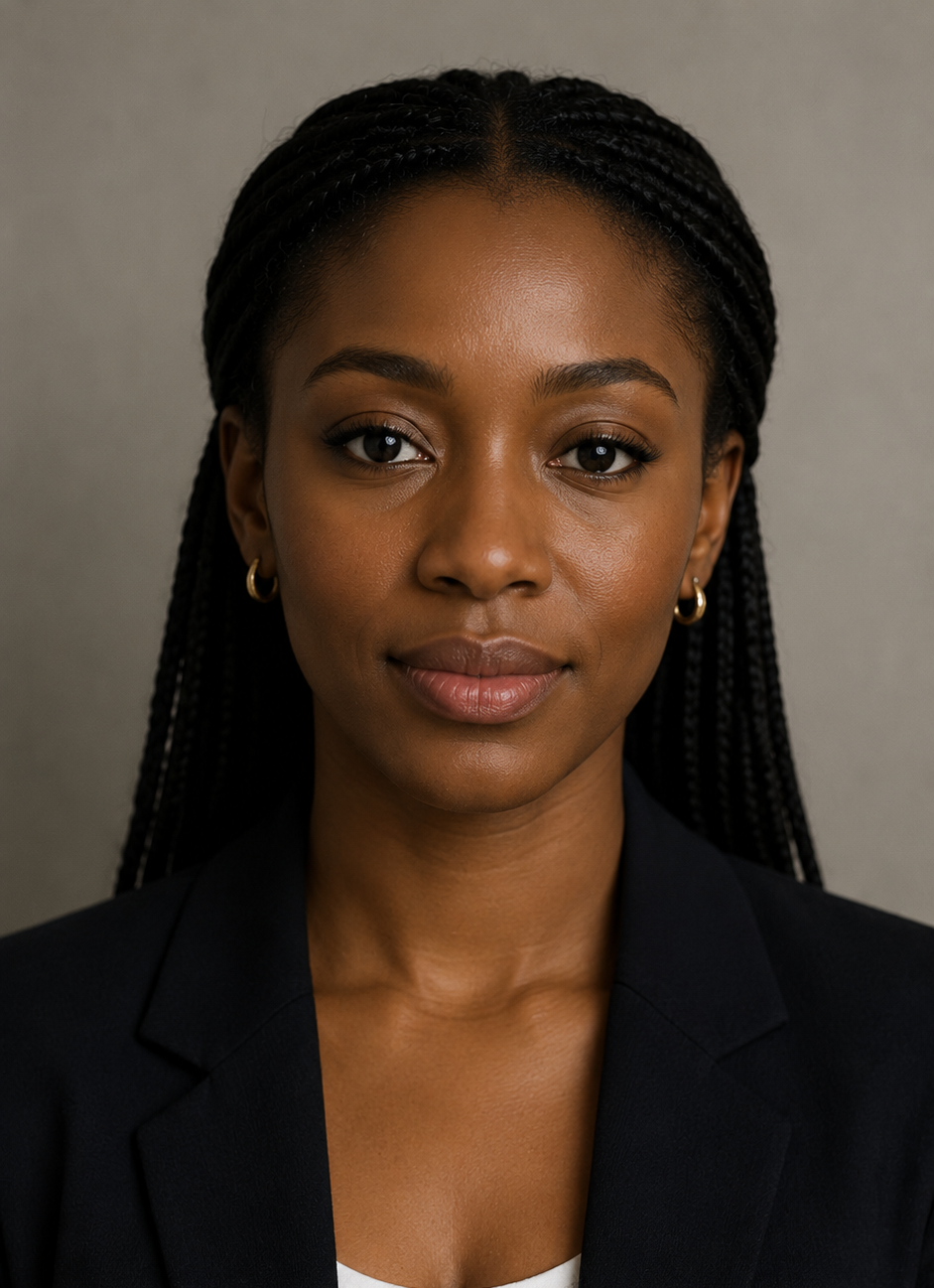
Amara Osei
Africa & Emerging Markets Correspondent · Philanthropy & Next Generation
Amara covers the philanthropists, foundation founders, and next-generation leaders building wealth and influence across Africa, Southeast Asia, and Central Asia. She has a particular eye for the family businesses handing the reins to a generation educated abroad and building at home. Based in Nairobi. Reach out at amara.osei@theplatinumcapital.com.