

Wealth Management Boutiques Targeting the Gulf's New Rich
As sovereign wealth pivots and a new generation of Gulf entrepreneurs consolidate generational fortunes built on technology, real estate, and diversified energy portfolios, boutique wealth managers are abandoning the mass-affluent model entirely to compete for mandates that frequently exceed half a billion dollars. The most sophisticated independents are now deploying dedicated relationship teams fluent in Islamic finance structures, succession law across multiple jurisdictions, and the increasingly complex intersection of family governance and institutional-grade asset allocation that defines the region's evolving wealth landscape.…

Something is shifting across the Gulf's private wealth sector — quietly, deliberately, and almost entirely beneath the radar of mainstream regional business coverage. It has nothing to do with another mega-infrastructure announcement or a record-breaking property headline. It is happening in boardrooms in DIFC, in family office suites in Riyadh's King Abdullah Financial District, and over private dinners in Doha's West Bay. Boutique wealth management firms — nimble, specialist, and built on relationships rather than product shelves — are systematically repositioning to capture the attention, and the mandates, of a new generation of Gulf wealth holders. This generation has grown sophisticated enough to demand something the global private banking giants have historically been unwilling to provide.
A New Wealth Profile Demands a New Kind of Advisor
The Gulf's wealth creation story has entered a structurally different phase. Liquidity events are no longer confined to state-adjacent businesses or multigenerational merchant families. A pronounced wave of entrepreneurs — those who built technology platforms, logistics businesses, healthcare groups, and F&B concepts during the post-pandemic boom — crystallised significant wealth across the UAE, Saudi Arabia, and Qatar between 2022 and 2025. Many are in their late thirties and forties. They hold diversified, often cross-border asset bases. They are globally travelled, digitally fluent, and deeply uncomfortable being handed off to a relationship manager three years out of business school.
That is a specific kind of frustration. And boutique wealth managers are targeting precisely this cohort. Firms such as Ora Partners, Lighthouse Canton — which has expanded its Dubai operations significantly — and a cluster of Geneva and London-based multi-family offices that opened GCC outposts in the past 18 months are competing for mandates that typically begin at USD 10 million and can scale rapidly. Their proposition is simple and, for this audience, resonant: independence, alignment, and access that a global private bank cannot structurally provide.
Real Estate's Record Runs Are Creating Liquidity Events — and Mandates
The scale of capital being generated through Gulf real estate alone is feeding directly into boutique wealth mandates. Few intermediaries are connecting these dots publicly. They should be.
In March 2026, Arabian Acres completed what Dubai Land Department data confirmed as the city's largest private residential land transaction — three adjacent freehold plots along the Jumeirah coastline acquired for a combined AED 400 million ($109 million), spanning more than 113,000 square feet with 160 metres of private beachfront. The plots had appreciated between 255% and 335% over just three years. That kind of concentrated, illiquid-to-liquid capital event does not resolve itself. It generates immediate, complex wealth management requirements: tax structuring across jurisdictions, reinvestment mandates, succession considerations, philanthropic allocation. The client needs a thinking partner, not a product brochure.
A month later, Dubai Sotheby's International Realty closed the sale of Villa Gaia on Jumeirah Bay for Dhs280 million ($76 million) — one of the highest-value resales of a ready villa in the emirate's history. Dubai's residential market recorded transactions worth Dhs137.3 billion ($37.4 billion) in Q1 2026 alone, sustaining a supply-demand imbalance that has made ultra-prime property one of the region's most consistent wealth generators. For boutique wealth managers, these transactions are not market data points. They are referral events — moments where lawyers, real estate advisors, and family offices introduce newly liquid clients who need a trusted, discreet partner to think through what comes next.
The Boutique Advantage: Alignment Over Product Push
The structural critique of global private banking has sharpened considerably across the Gulf. High-net-worth clients — particularly those who have engaged Swiss or UK-domiciled private banks — have grown increasingly vocal in private forums about product conflicts, opaque fee structures, and the frustration of watching their capital deployed into proprietary funds that serve the bank's balance sheet as much as their own objectives. The numbers tell a complicated story, and experienced clients have started reading them more carefully.
Boutique wealth managers have responded with fee-only or fee-transparent models, open architecture platforms, and — critically — senior-level relationship continuity that global banks rarely sustain. Several Dubai-based multi-family offices have structured themselves explicitly around the family office principal model, where the lead advisor holds a meaningful economic stake in client outcomes rather than a product-linked commission. For Gulf clients who understand partnership structures and place significant weight on relationship trust, this alignment model has proven highly compelling. It also mirrors, in spirit, the way many Gulf family businesses have historically been managed — through trusted intermediaries with long-horizon commitments, not transactional advisors chasing quarterly targets.
Beyond Borders: The Cross-Regional Capital Opportunity
GCC capital has always moved regionally. The current cycle is more deliberate, more institutionalised, and frankly more ambitious. Saudi family offices are actively allocating into Egyptian infrastructure and Moroccan real estate. Emirati investment groups are building positions in Southeast Asia — particularly Vietnamese industrial real estate and Indonesian digital infrastructure. Qatari principals are exploring agriculture and energy assets in Central Asia. Boutique wealth managers operating in the Gulf are positioning themselves as connectors across this wider emerging-market wealth belt, a geography running from Riyadh through Almaty, Lagos, Nairobi, and Jakarta.
The firms capturing this mandate flow are not the ones with the most compliance licences. They are the ones with genuine regional knowledge. A wealth manager who understands the family dynamics of a Jeddah-based group with operating businesses in four countries, a Bahraini trust structure, and an appetite for private credit in Sub-Saharan Africa is genuinely rare. That scarcity is a commercial asset.
NEOM's Sindalah Island — the $4 billion Red Sea superyacht and marina destination targeting a late 2026 opening — is emblematic of a broader regional dynamic. The Gulf is not merely accumulating wealth. It is constructing an entire ecosystem of ultra-high-end assets designed to anchor capital regionally for decades. Advisors embedded in that ecosystem, who know which developer relationships matter, which marina berth allocations are available, and which sovereign project carries reputational risk, are worth considerably more than those operating from a spreadsheet in Geneva.
What Forward-Looking Wealth Holders Should Consider
For family offices and private investors currently reviewing their advisory relationships, the shift toward boutique wealth management presents both genuine opportunity and real due diligence responsibility. The right questions are not merely about fee structures or historical returns. They concern depth of network, regulatory standing — particularly within DIFC and ADGM-regulated structures — and the advisor's ability to coordinate across legal, tax, philanthropic, and succession dimensions simultaneously. The most effective boutique mandates in the Gulf today are structured not as investment-only relationships but as integrated family office solutions, where the wealth manager functions as a coordination layer across a client's entire financial architecture.
The Gulf's new wealth holders are not waiting for global institutions to catch up with their complexity. They are already building the advisory relationships that reflect who they have become. The boutique firms that recognised that shift early are writing the mandates that will define regional wealth management for the next decade. The rest are still updating their pitch decks.
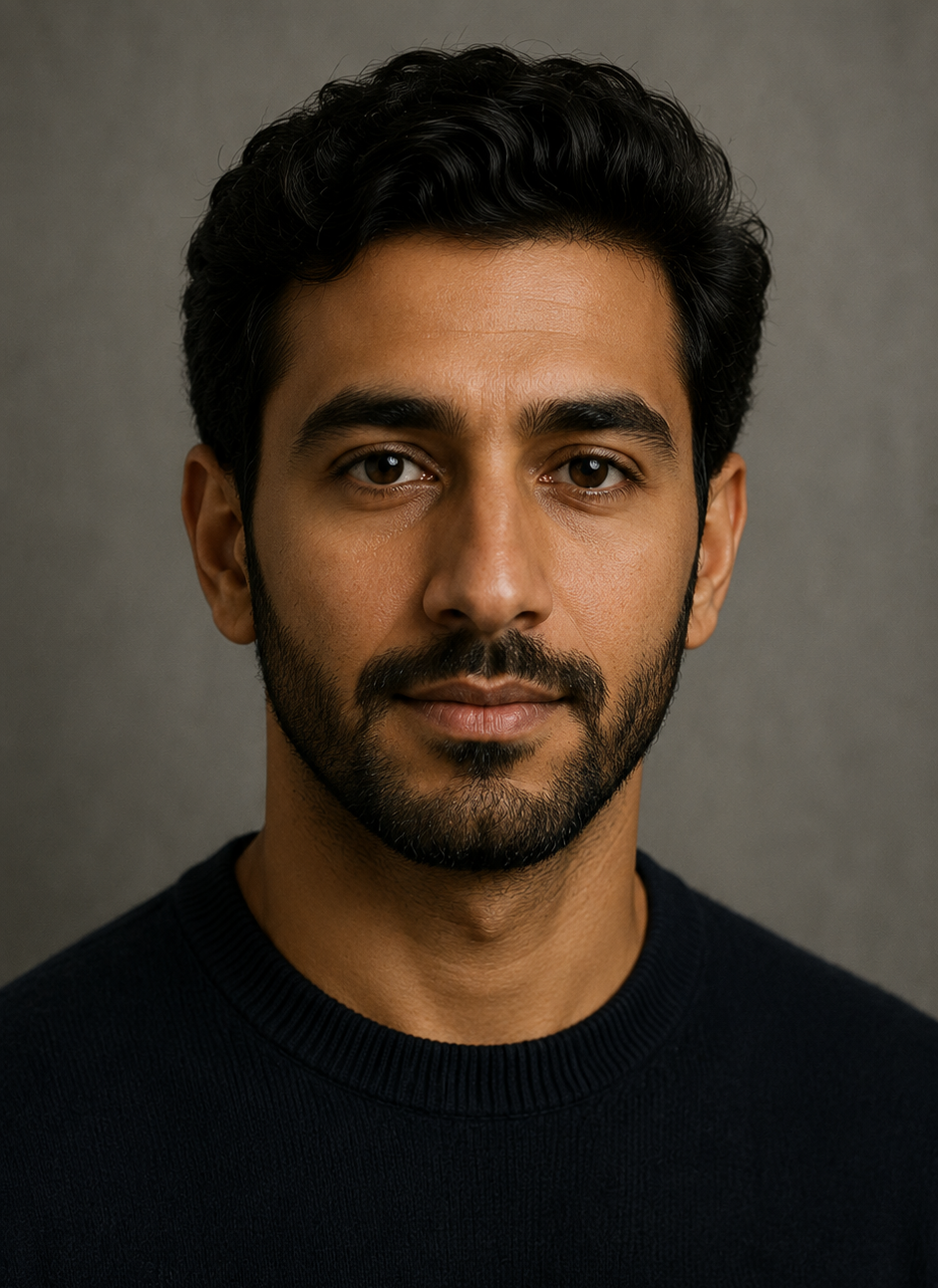
Written by
Khalid Al-Rashidi
Gulf & Middle East Correspondent · Emerging & Strategic Wealth
Khalid covers the family offices, luxury operators, and strategic capital moving across the GCC and wider Arab world — often before the rest of the region notices. He's spent years tracking how Gulf wealth structures itself for the next generation, from residency programmes to private aviation. Based between Dubai and Riyadh. Reach out at khalid.al-rashidi@theplatinumcapital.com.