

African Family Offices: A New Asset Class in the Making
As Africa's ultra-high-net-worth families quietly consolidate generational wealth across borders, a sophisticated institutional layer is emerging that demands the attention of global capital allocators and sovereign strategists alike. The continent's estimated 3,000 family offices, many anchored in Lagos, Nairobi, Cairo, and Johannesburg, are no longer passive vehicles for wealth preservation but increasingly assertive players reshaping cross-border investment flows, private equity dynamics, and the very architecture of African capital markets.…

Something is shifting across the African continent — quietly, but with real consequence. In Nairobi's Karen suburb, a third-generation trading family has restructured its holdings into a formal family office, appointing an independent investment committee and allocating capital into UAE-listed equities and Singaporean private credit. In Lagos, a founder who exited a fintech stake at a nine-figure valuation is now deploying into Moroccan real estate and Central Asian logistics infrastructure. These are not isolated events. They are the early architecture of a genuinely new institutional force — the African family office — and the global wealth industry is only beginning to pay attention.
From Informal Wealth to Institutional Capital
For decades, wealthy African families ran their fortunes through informal structures: holding companies, trusted advisors, and personal relationships rather than governance frameworks or formal investment mandates. That model is now changing at speed. Across Nigeria, Kenya, Egypt, South Africa, and Morocco — the continent's five most sophisticated private wealth markets — family office formation has accelerated sharply since 2022. Estimates from Campden Wealth and the African Family Offices Forum put between 60 and 80 formal single-family offices in operation across sub-Saharan Africa alone, growing at roughly 15 to 20 percent annually. The total private wealth pool under informal family management across the continent sits above USD 2.5 trillion. The vast majority of it remains unstructured and institutionally unserviced. That is a staggering amount of capital without a professional home.
The drivers are generational as much as financial. Founders who built fortunes in commodities, real estate, and retail are now confronting succession. Their children — many educated in London, Dubai, or Singapore — are coming back with expectations of professional governance, diversified mandates, and genuine global access. The result is a structural upgrade playing out across African wealth: from family business to family office.
The Gulf as Anchor and Accelerant
No relationship matters more to the rise of African family offices than the one being built with the Gulf. Dubai has emerged as the operational and legal hub of choice for African principals seeking jurisdictional diversification. The UAE's Golden Visa programme has been a material factor. Dubai's General Directorate of Identity and Foreigners Affairs confirmed in May 2026 that over 167,000 Golden Visas have been issued to families of specialised talents between 2021 and Q1 2026, with annual approvals projected to surpass 200,000 by year-end. The February 2026 mortgage reform — which significantly eased upfront payment requirements for off-plan and mortgaged properties — has made property-linked visa eligibility far more accessible for African HNW families who hold liquid capital but prefer leverage over full cash deployment. That is a meaningful policy shift, and African principals have noticed.
Dominic Volek, Group Head of Private Clients at Henley & Partners, has framed the UAE's appeal with precision: "The UAE story in 2026 is one of diversification and optionality, not an exodus." For African family offices, that framing lands exactly right. Dubai is not a destination to leave Africa behind. It is a platform from which to manage African assets with international-grade infrastructure, legal certainty, and direct proximity to Gulf sovereign and institutional capital.
Saudi Arabia Enters the Competition for African Capital
Riyadh is now actively positioning itself as a parallel destination. Saudi Arabia is drafting a dedicated UHNW residency track targeting individuals with a minimum net worth of USD 30 million — a threshold the top tier of African family principals clears comfortably. This proposed track would sit alongside Saudi's existing Premium Residency structure, which already offers a permanent unlimited option at a one-time fee of approximately USD 215,000 and a renewable annual track at roughly USD 27,000 per year. The scale of interest in the Kingdom is striking. Henley & Partners projected that Saudi Arabia would attract 2,400 millionaires in 2025 — an approximately eightfold increase from 300 in 2024, the fastest growth rate of any jurisdiction globally. African HNWIs, particularly those from Egypt, Morocco, and Nigeria with existing Saudi trade and religious ties, account for a meaningful share of that inbound flow.
A Saudi residency anchor unlocks more than lifestyle optionality for African family offices. It opens direct access to Saudi-listed assets, Public Investment Fund co-investment pipelines, and the broader Vision 2030 economy — which targets a USD 1 trillion non-oil GDP by 2030. The intersection of African entrepreneurial capital and Gulf institutional infrastructure is one of the more underappreciated cross-border financial trends of this decade. Few outside the region have noticed. They should.
Asset Allocation: What African Family Offices Are Actually Buying
The investment mandates coming out of African family offices are more sophisticated than most external observers assume. Real estate remains the foundational allocation — but the geography has internationalised dramatically. UAE residential and commercial property, prime central London assets, and increasingly Portuguese and Georgian real estate are all appearing in African family portfolios. Private equity exposure is growing, with co-investment into African consumer, fintech, and infrastructure plays running alongside selective allocations into Southeast Asian and Central Asian growth markets. Vietnam and Indonesia have drawn particular interest from Nigerian and Kenyan family principals seeking yield that European fixed income simply cannot offer.
Private credit is the emerging frontier. As global interest rates adjusted post-2024, several African family offices began deploying into direct lending vehicles — notably in the UAE, where DIFC-domiciled credit managers have built accessible entry points at ticket sizes of USD 5 million to USD 25 million. Gold and hard commodity exposure remains culturally embedded across West and East African family wealth, but families increasingly hold it through structured products rather than physical custody. Digital assets remain a minority allocation. That said, family offices in South Africa and Nigeria — where crypto adoption has been structurally driven by currency volatility — carry meaningful exposure relative to global peers. The numbers there tell a complicated story about what happens when a currency cannot be trusted.
The Infrastructure Gap — and the Opportunity It Creates
What African family offices lack, by global standards, is not capital or ambition. It is ecosystem. The professional services infrastructure surrounding family offices in Geneva, Singapore, or Dubai — independent trustees, multi-family office platforms, dedicated private bankers, legal advisors fluent in cross-border structuring — remains nascent across most African capitals. This gap is itself an investment opportunity, and capital is beginning to move toward it. Multi-family office platforms targeting the African market are in early formation, with several Nairobi and Lagos-based advisory firms raising institutional backing to build regional infrastructure. International players including Stonehage Fleming and Stonegate Capital have extended their African coverage. Dubai-based family office service providers are actively recruiting Arabic and French-speaking African relationship managers.
The direction of travel is not ambiguous. Within five years, African family offices will represent a recognised and actively courted segment of the global wealth market — not an afterthought, but a source of capital, co-investment, and long-term institutional relationships that the Gulf, Southeast Asia, and Europe are already competing to attract. The families building formal structures today are not simply managing inherited wealth. They are building the investment institutions that will define African private capital for the next generation.
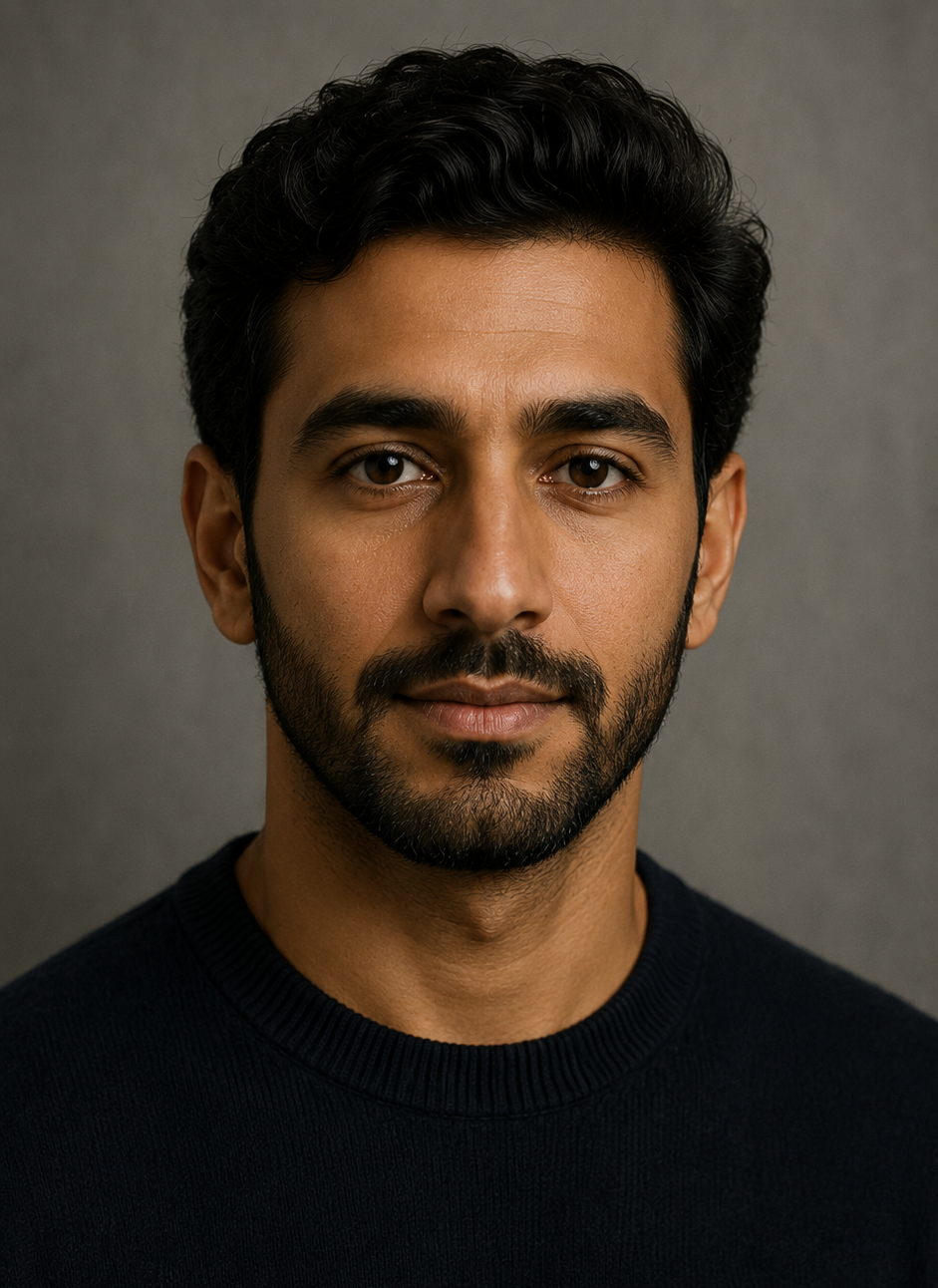
Written by
Khalid Al-Rashidi
Gulf & Middle East Correspondent · Emerging & Strategic Wealth
Khalid covers the family offices, luxury operators, and strategic capital moving across the GCC and wider Arab world — often before the rest of the region notices. He's spent years tracking how Gulf wealth structures itself for the next generation, from residency programmes to private aviation. Based between Dubai and Riyadh. Reach out at khalid.al-rashidi@theplatinumcapital.com.