Aliko Dangote: Africa's Richest Man and the Refinery That Could Change a Continent
Aliko Dangote's $20 billion refinery on the outskirts of Lagos represents far more than a single industrialist's audacious bet; it is a direct challenge to the decades-old paradox of a resource-rich continent that imports the very fuel it should be producing. If the facility reaches full capacity, it stands to reshape petroleum economics across West Africa, curtail the region's staggering fuel import bill, and redraw the lines of influence between African enterprise and the multinational trading houses that have long dominated the continent's energy flows.…
The Industrialist Who Refuses to Wait
On a continent where grand industrial ambitions have often withered under the weight of bureaucracy, corruption, and capital flight, Aliko Dangote has built something rare: a manufacturing empire rooted in African soil, serving African markets, and reshaping the economic calculus of an entire region. The Nigerian billionaire, consistently ranked as Africa's wealthiest individual by Forbes, has spent more than four decades constructing a conglomerate that spans cement, sugar, flour, and now petroleum refining. His story isn't merely one of personal wealth accumulation. It's a case study in how patient, vertically integrated industrialisation can alter the trajectory of a developing economy.
From Lagos Trader to Continental Force
Born in 1957 in Kano, northern Nigeria, into a family of traders, Dangote began his business career as a young man importing and selling commodities. He had the advantage of family capital — his grandfather was a successful merchant — but the scale of what he eventually built far exceeded anything his early trading days might have suggested. Through the 1980s and 1990s, he moved from commodities trading into manufacturing. That shift set him apart from many of his contemporaries across Africa's business elite, who remained content clipping import-export margins.
The Dangote Group grew into one of the largest industrial conglomerates in sub-Saharan Africa, with Dangote Cement becoming the continent's biggest cement producer. The company operates plants across multiple African countries, including Nigeria, Ethiopia, Tanzania, Senegal, and Cameroon. By localising production rather than relying on imports, Dangote fundamentally changed the cement market in several of these nations — bringing down prices and creating thousands of jobs. His publicly listed flagship, Dangote Cement, became one of the most valuable companies on the Nigerian Stock Exchange.
The Refinery: Africa's Largest Bet on Self-Sufficiency
For all the scale of his cement and commodities operations, the Dangote Refinery in Lekki, Lagos, is what has captured the world's attention. The facility, one of the largest single-train refineries in the world, represents a staggering private-sector investment — widely reported to have cost billions of dollars over a construction period that stretched far longer than originally planned. It began producing refined petroleum products in 2024, a milestone watched closely not only in Nigeria but across the global energy industry.
The refinery's significance is difficult to overstate. Nigeria, despite being one of Africa's largest crude oil producers, has for decades imported the vast majority of its refined petroleum products. Think about that for a moment. A major oil-producing nation, spending its foreign exchange reserves to buy back its own crude in processed form, left vulnerable to global price swings it helped create. The Dangote Refinery, designed to process several hundred thousand barrels of crude oil per day, has the capacity to meet a substantial portion of Nigeria's domestic fuel needs and potentially supply refined products to other West African nations. That is a significant shift.
The project has not been without controversy. Disputes with Nigerian regulators, questions about crude oil supply from the national oil company, and tensions with existing importers have all featured in public reporting. Dangote has been characteristically forthright in these battles, openly challenging what he has described as entrenched interests that benefit from the status quo of fuel importation. His willingness to wage these fights in public has made him a polarising figure in some quarters, but it has also reinforced his image as someone prepared to confront systemic dysfunction.
A Different Model of African Capitalism
What distinguishes Dangote from many of Africa's wealthy elite is his insistence on building physical infrastructure on the continent rather than parking wealth offshore. His investments are capital-intensive, long-cycle, and deeply embedded in local economies. This approach carries enormous risk — political instability, currency volatility, and regulatory unpredictability are constant companions — but it also generates multiplier effects that portfolio investments and commodity trading simply cannot match.
His operations employ tens of thousands of people directly and support many more through supply chains. The cement business alone transformed construction economics in several African markets. His sugar and flour milling operations addressed basic consumer goods shortages. And the refinery, if it achieves full operational capacity and maintains consistent output, could represent the most consequential private industrial investment in modern African history. Few outside the region have noticed.
Dangote has also drawn attention for his stated ambitions beyond refining. The Lekki complex includes a petrochemical plant and a fertiliser facility, the latter of which began production before the refinery itself. The fertiliser plant has been producing urea for both domestic use and export, addressing a critical input shortage for African agriculture. These integrated operations reflect a strategic vision that goes well beyond any single product line.
Leadership, Influence, and the Question of Legacy
Now in his late sixties, Dangote occupies an unusual position in African public life. He is at once a corporate titan, a symbol of what African entrepreneurship can achieve, and a lightning rod for debates about the relationship between private capital and state power. His proximity to successive Nigerian governments has drawn scrutiny, as has the dominant market position his companies hold in several sectors. Critics argue that his success has been enabled by protective tariffs and favourable policy environments. Supporters counter that he took risks no other private investor was willing to take and delivered results that government-owned enterprises consistently failed to produce. Both sides have a point.
His philanthropic activities, while less publicised than his business ventures, have included contributions to health, education, and disaster relief through the Aliko Dangote Foundation. He has been involved in various continental development initiatives and has served on advisory bodies related to African economic growth.
What remains most striking about Dangote's career is its underlying thesis: that Africa's economic future lies in adding value to its own raw materials rather than exporting them for others to process. This is not a new idea — African economists and policymakers have articulated it since independence — but Dangote is among the very few who have deployed private capital at the scale required to make it real. Whether the refinery fulfills its transformative promise will depend on factors well beyond one man's control, including Nigerian governance, regional trade dynamics, and the global energy transition. But the sheer audacity of the investment, and the industrial philosophy behind it, have already earned Dangote a singular place in the economic history of the continent.
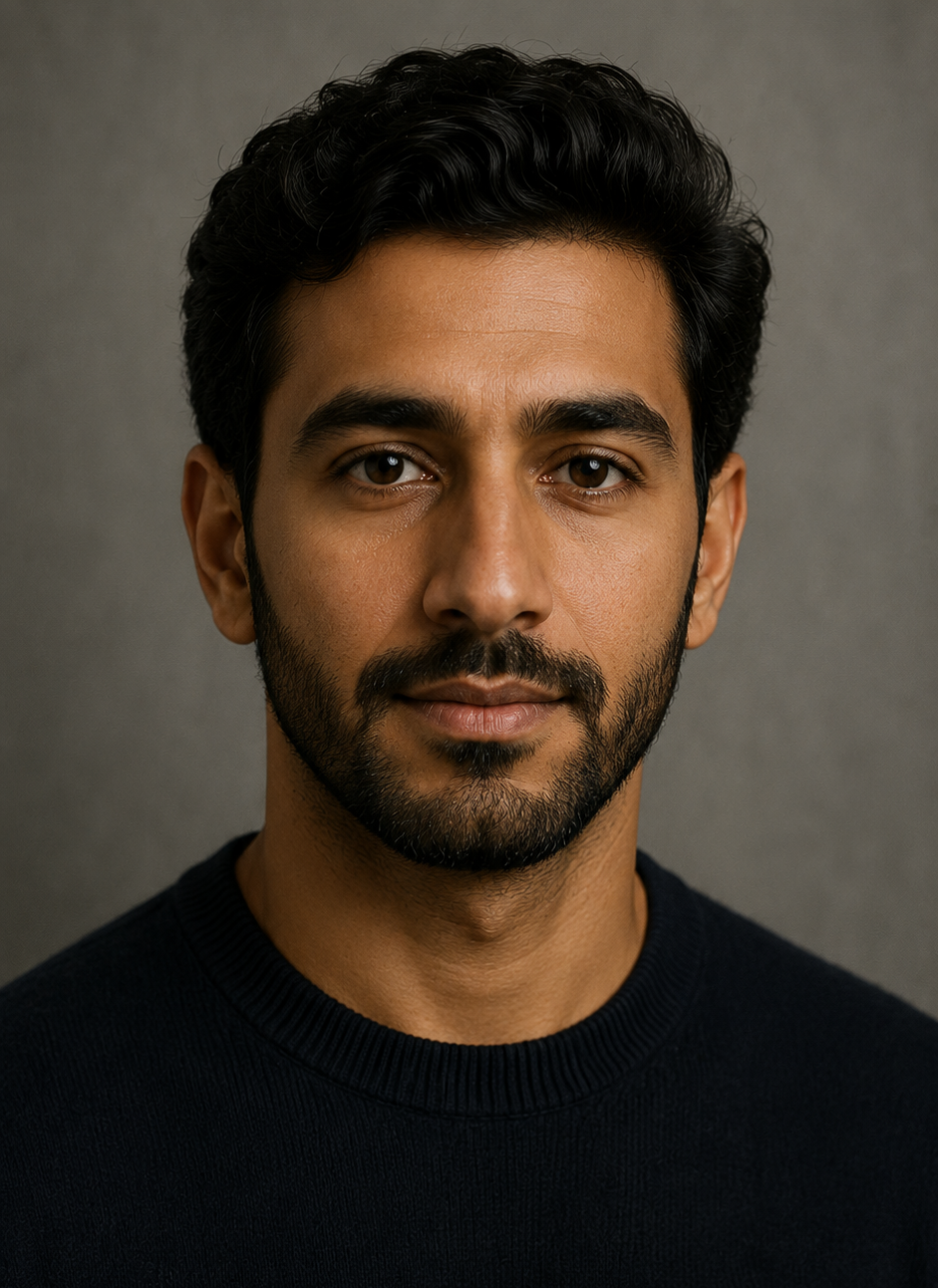
Khalid Al-Rashidi is a senior journalist at The Platinum Capital, covering Emerging Wealth.
Written by
Khalid Al-Rashidi
Gulf & Middle East Correspondent · Emerging & Strategic Wealth
Khalid covers the family offices, luxury operators, and strategic capital moving across the GCC and wider Arab world — often before the rest of the region notices. He's spent years tracking how Gulf wealth structures itself for the next generation, from residency programmes to private aviation. Based between Dubai and Riyadh. Reach out at khalid.al-rashidi@theplatinumcapital.com.