Azerbaijan's Non-Oil Wealth: Families Building for the Next Era
As Azerbaijan accelerates its strategic pivot away from hydrocarbon dependence, a quiet but formidable class of diversified family enterprises is reshaping the country's economic architecture — channeling generational capital into logistics corridors, agribusiness, and financial services that position Baku as the preeminent hub of the South Caucasus. For family offices and sovereign allocators seeking asymmetric exposure to frontier growth with institutional-grade governance, Azerbaijan's non-oil private sector no longer represents a speculative wager — it represents a structural opportunity arriving precisely at the moment of maximum clarity.…
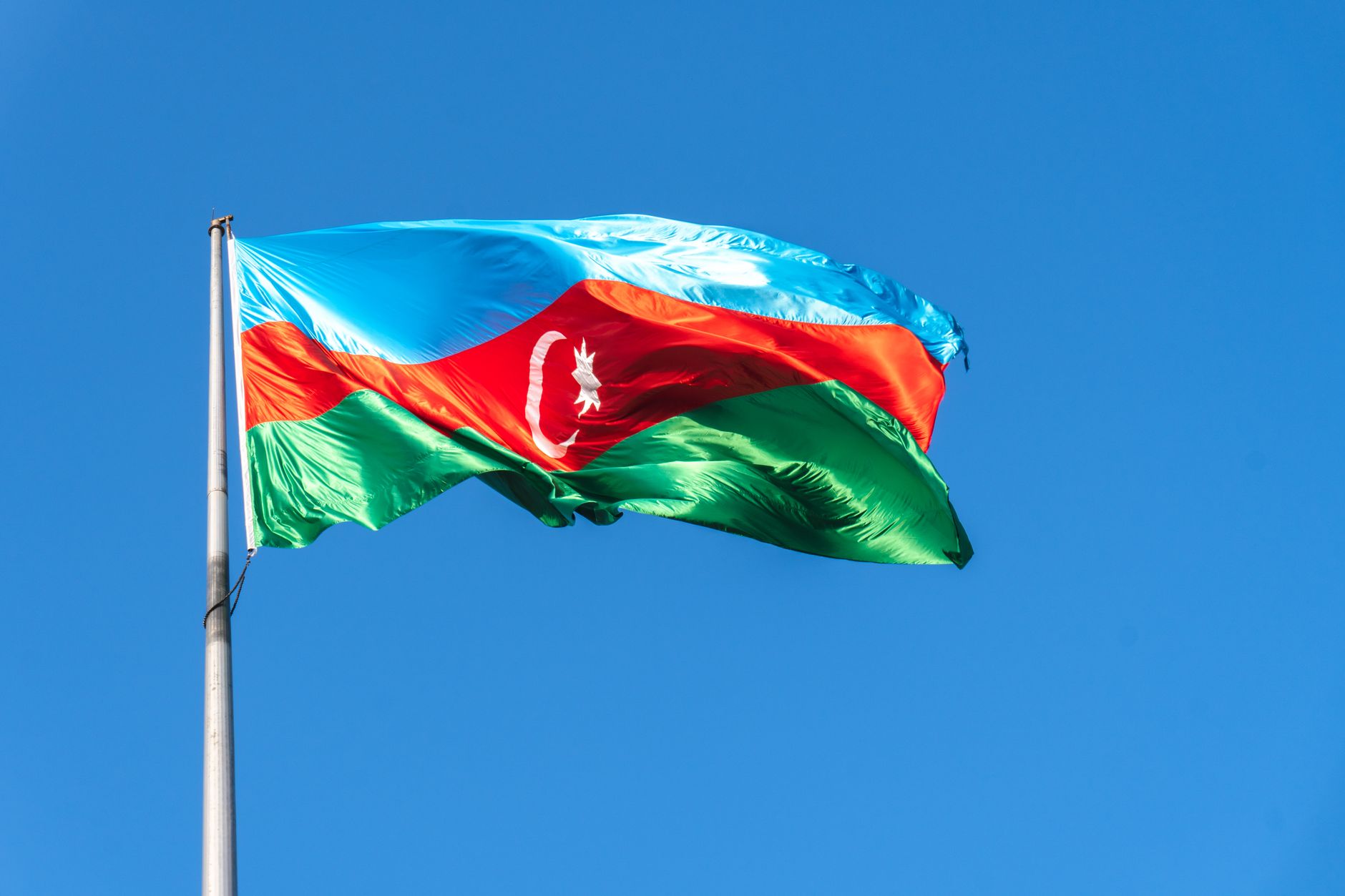
For most of the past three decades, Azerbaijan's story was written in barrels. Hydrocarbon wealth, channelled through the State Oil Fund and anchored by the Contract of the Century signed in 1994, built Baku's skyline, funded state ambitions, and created the founding generation of the country's modern merchant class. In 2026, something quieter — and arguably more durable — is taking shape. Across agriculture, logistics, technology, pharmaceuticals, and tourism infrastructure, a cohort of Azerbaijani families is compounding capital in ways that are starting to pull serious attention from family offices in Dubai and Singapore. Some of these families are second-generation beneficiaries of post-Soviet privatisation. Others were built entirely on non-oil enterprise. All of them are worth watching.
Beyond the Barrel: The Numbers Behind the Shift
Azerbaijan's non-oil GDP grew by approximately 7.2 percent in 2025 — outpacing the broader economy for the third consecutive year. That is a significant shift. Baku has talked about diversifying beyond hydrocarbons for years. Now the data is starting to back the rhetoric. The agriculture and processing sector accounts for close to 9 percent of GDP, up from under 6 percent a decade ago. Tourism revenues surpassed $3.4 billion in 2025, driven by record visitor numbers tied to expanded air connectivity and the residual effect of hosting COP29. For private capital, these are not abstract statistics.
They represent sectors where concentrated, family-held businesses are accumulating market positions that would attract significant acquisition interest from regional private equity platforms if those same businesses happened to sit in Morocco or Indonesia. The gap between Azerbaijan's actual economic complexity and its visibility to international capital remains wide. That gap is precisely where the most interesting wealth conversations are happening right now.
The Families Rewriting the Narrative
Several Azerbaijani business families have spent the past five years making deliberate moves away from state-adjacent contracting toward genuinely self-sustaining enterprise. The numbers support them. The Karabakh reconstruction programme — a $25 billion national priority — has generated new mandates in land development, food processing, and logistics that private families with real operational capability are well-placed to capture. Vertically integrated agri-processing operations, some routing Azerbaijani production through Georgia and Turkey toward Gulf markets, rank among the most quietly profitable enterprises in the country today.
One Baku-based family group, with holdings across hazelnut processing, cold-chain logistics, and packaging manufacturing, generated revenues approaching $180 million in 2025. Entirely outside the oil sector. Entirely beneath the radar of international financial media. Few outside the region have noticed. They should.
In pharmaceuticals and healthcare, local manufacturing has become a genuine growth vertical. Government policy now mandates local sourcing preferences across a widening category of medicines, and family-owned manufacturers who positioned early — several through partnerships with Turkish and Iranian pharmaceutical groups — are compounding revenues at double-digit rates. Baku's stated ambition to become a regional medical tourism hub is accelerating capital deployment further still.
The Dubai Connection and the Regionalisation of Azerbaijani Capital
A defining feature of Azerbaijan's emerging wealth class in 2026 is its increasingly cross-border character. Dubai — specifically the DIFC and the free zones around Jebel Ali — has become a natural second headquarters for a growing number of Azerbaijani family offices, mirroring patterns that Kazakh, Uzbek, and Georgian merchant families established over the previous decade. The logic is straightforward: UAE-Azerbaijan bilateral trade expanded sharply after 2022, direct connectivity has deepened, and the Azerbaijani community in the UAE now includes a meaningful layer of principal-level business owners rather than simply professionals and employees.
The broader South Caucasus and Central Asian capital shift toward Abu Dhabi and Dubai is well-documented. What is newer is the structural sophistication behind it. Azerbaijani families are no longer simply parking liquidity in UAE real estate. They are establishing properly constituted family offices, engaging UAE-licensed investment managers, and beginning to participate in regional deal flows — including co-investments alongside Gulf sovereign funds and private equity platforms. The numbers tell a complicated story about just how fast this is moving.
Consider the signal embedded in Vista Equity's recent decision to open its first Middle East office in Abu Dhabi. Robert F. Smith's platform manages more than $100 billion in AUM. That kind of institutional capital does not plant a permanent flag in the Gulf without a clear thesis about where deal flow originates. For Azerbaijani family principals running scalable businesses with credible governance, that represents a materially different opportunity than existed even three years ago.
Tourism, Infrastructure, and the COP29 Dividend
Baku's hosting of COP29 in November 2024 was more than a diplomatic moment — it functioned as a capital formation accelerant. The infrastructure spending that preceded the conference, combined with the international visibility it generated, produced a measurable lift in hospitality investment appetite. Several privately held Azerbaijani groups have moved into four- and five-star hotel development, both in Baku and in Gabala and Sheki, where domestic tourism infrastructure is being built at pace.
One hospitality group, backed by a family with legacy interests in construction materials, opened three properties in 2025 with a combined investment of approximately $95 million. That group is now understood to be in discussions with an international branded operator for management contracts across its development pipeline. Watch that space.
The Silk Road positioning is generating real logistics and trade finance opportunity as well. The Middle Corridor — connecting China to Europe via Kazakhstan, Azerbaijan, and Turkey — handled record freight volumes in 2025. Azerbaijani families with port, warehousing, and forwarding assets along this route sit among the most strategically positioned private investors in the country. That is not a story about potential. It is a story about operating businesses with structural tailwinds.
A Wealth Class in Formation
The Azerbaijani families building wealth outside oil are operating in an environment that is simultaneously more competitive and more opportunity-rich than any generation before them faced. The next five years will likely produce the first wave of genuinely institutionalised Azerbaijani family offices — entities with professional investment committees, diversified cross-border portfolios, and the governance infrastructure to partner meaningfully with international capital.
For Gulf-based family offices, regional funds, and private equity platforms scanning Central Asia and the South Caucasus for proprietary deal access, Azerbaijan's non-oil wealth class represents exactly the kind of under-covered, high-conviction relationship opportunity that sophisticated allocators build long-term structural advantage from. The families who move earliest to establish those relationships — and the advisors sharp enough to connect them — will find themselves well-positioned as Baku's next era comes fully into view. The window is open. It will not stay that way indefinitely.
Written by
Khalid Al-Rashidi
Gulf & Middle East Correspondent · Emerging & Strategic Wealth
Khalid covers the family offices, luxury operators, and strategic capital moving across the GCC and wider Arab world — often before the rest of the region notices. He's spent years tracking how Gulf wealth structures itself for the next generation, from residency programmes to private aviation. Based between Dubai and Riyadh. Reach out at khalid.al-rashidi@theplatinumcapital.com.