
Bangladesh Garment Wealth Diversifying Into New Sectors
Bangladesh's garment billionaires, long anchored to the relentless margins of fast fashion, are quietly repositioning their fortunes into real estate, fintech, and light manufacturing, signaling a generational shift in how export-built wealth is being structured for long-term resilience. For family offices and institutional investors tracking frontier market capital flows, this consolidation of textile profits into diversified domestic and regional assets represents one of South Asia's most consequential — and underreported — wealth transitions of the decade.…
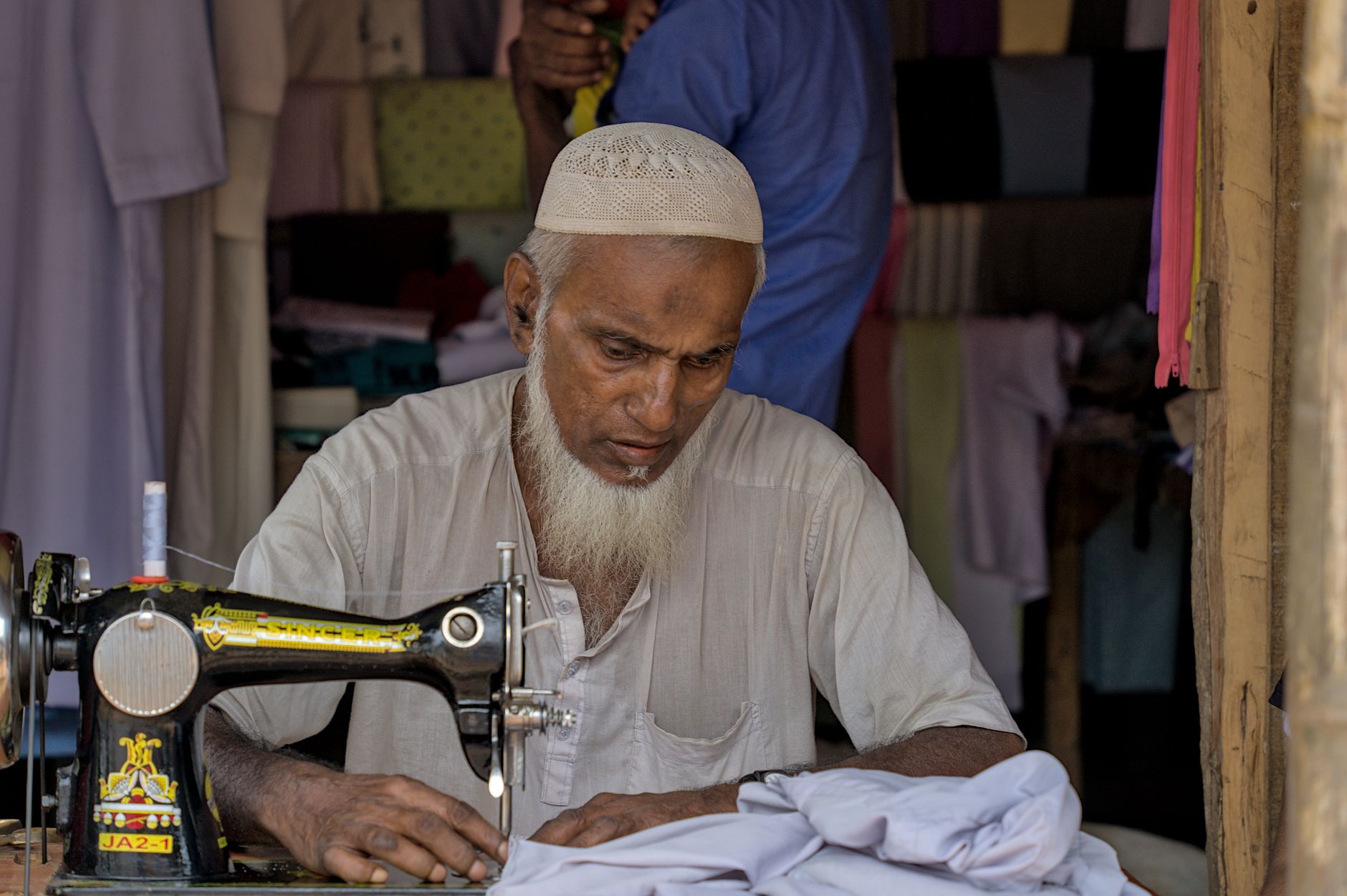
For decades, the men and women who built Bangladesh's garment industry into a $47 billion export machine were content to let the factories speak for themselves. They reinvested into production lines, expanded capacity, and competed on margins measured in fractions of a cent per unit. That era is ending. Across Dhaka, Chittagong, and increasingly in Dubai, Singapore, and London, a generation of Bangladeshi textile wealth is quietly redeploying capital into real estate, financial services, agribusiness, and technology — assembling diversified portfolios that have more in common with Gulf family offices than with the factory floors of Gazipur.
The Scale of What Was Built
Bangladesh's readymade garment sector accounts for more than 84% of the country's total export earnings and employs upwards of four million workers, the majority of them women. The families who control the largest manufacturing groups — the Anam Group, DBL Group, Square Group, and Beximco among them — accumulated fortunes through relentless operational discipline, preferential trade access to European and North American markets, and decades of compounding reinvestment. Beximco's Salman F Rahman built a conglomerate spanning textiles, pharmaceuticals, media, and real estate. His trajectory reflects what the more ambitious segment of the industry has always understood: vertical integration and sectoral diversification are not luxuries. They are survival strategies. What has changed in 2025 and into 2026 is the pace — and the geography.
Real Estate and the Gulf Pivot
The most visible move has been into real estate, particularly across the GCC. Dubai remains the preferred offshore base for South Asian business families restructuring their wealth architecture, and Bangladeshi capital is no exception. Several second-generation scions of major textile groups have established holding companies in the UAE, drawn by zero capital gains tax, a well-regulated free zone environment, and proximity to deal flow across the Middle East and Africa.
The timing matters. The Forbes Middle East 2026 ranking of the World's Richest Arabs features 37 billionaires with a combined net worth of $138.7 billion — up 8% from the prior year. That is a significant shift, and Bangladeshi investors are paying attention. Abbas Sajwani entering the billionaire ranks at just 26 years old, through AHS Properties, says something important about how Gulf real estate rewards those who move early and think generationally. Bangladeshi family offices watching this market are drawing precisely that lesson.
Agribusiness as a Strategic Asset Class
Beyond real estate, agribusiness has become a serious destination for Bangladeshi manufacturing wealth — and the rationale is not complicated. These families already understand supply chain management and large-scale logistics at an institutional level. The recently announced joint venture between Singapore's Wilmar International and Nigeria's Tropical General Investments Group, a 50:50 partnership targeting a $12 billion addressable market across West Africa, has drawn attention from family office principals across Asia who see the cross-continental agribusiness model as something worth replicating closer to home.
For Bangladeshi investors, the parallel opportunity sits in processed foods, aquaculture, and frozen seafood exports — sectors where several textile-derived family groups have already begun deploying capital. The logic writes itself: the same distribution networks, banking relationships, and regulatory familiarity that made garments dominant can be redirected toward food processing. Bangladesh's competitive labour cost and geographic position make that a structural advantage, not a temporary one.
Technology, Fintech, and the Next Generation
Younger members of Bangladesh's textile dynasties are channelling capital into technology ventures with a specificity that suggests genuine market conviction, not trend-chasing. The country's fintech sector has expanded fast. bKash, a subsidiary of BRAC Bank, processes billions of dollars in transactions monthly and has become a reference point for mobile money development across the emerging world. Several garment family offices have taken minority stakes in fintech platforms, logistics technology firms, and e-commerce enablers — domestically and in comparable markets across Southeast Asia, including Vietnam and Indonesia.
The pattern is familiar to anyone who has watched Africa's Aliko Dangote operate. His net worth reached $28.5 billion in 2026 following a 69% surge in Dangote Cement's share price and record profits of one trillion Naira. He then moved — a $400 million deal with a Chinese machinery company to accelerate refinery capacity. Dominant market positions in one sector generate the capital and credibility to enter others. Bangladesh's textile families are applying exactly that playbook.
Family Office Infrastructure and Private Wealth Management
What separates this wave of diversification from earlier cycles is structural sophistication. Single-family offices, once rare among South Asian industrial groups, are being established with formal investment mandates, independent boards, and professional asset managers hired out of institutions in Dubai, Singapore, and London. Few outside the region have noticed. They should.
Several prominent Dhaka-based families have engaged advisors steeped in the Gulf's family office model — where discretion, legacy planning, and multi-generational governance are treated as core investment disciplines, not administrative afterthoughts. Philanthropic capital is also being structured with more intent. Foundations targeting education and healthcare gaps in Bangladesh are being built not just for social impact, but as the kind of governance and reputational architecture that opens doors in the GCC, Central Asia, and Africa. Net worth alone does not get those meetings. A credible institutional profile does.
What Comes Next
This is not a retreat from industry. The factories remain central, and the families who built them are unsentimental about capital allocation. What is happening is a deliberate maturation — in how wealth is structured, how it is deployed, and how it survives the passage between generations.
The families best positioned over the next decade will use the 2025–2028 window to build genuine cross-border investment platforms, establish real presences in the Gulf and Southeast Asia, and develop the governance frameworks necessary to hold diverse portfolios together across generations. For private investors, family offices, and institutional partners watching this market, the signal is straightforward: Bangladeshi industrial capital is becoming a serious participant in the global private wealth conversation. The entry points — real estate co-investments, agribusiness partnerships, technology ventures — are most accessible right now, before valuations and competition catch up with the opportunity.

Written by
TPC Editorial Desk
The Platinum Capital editorial desk
Articles on The Platinum Capital are produced by the TPC editorial desk with the assistance of AI tools, and edited before publication. TPC Awards profiles are based on information provided in nominations and checked against public sources. Founder & Editor: Imran Ahmed Khan. Reach out at info@theplatinumcapital.com.