
The UAE Crypto Wealthy: From Trading Desks to Family Offices
As the UAE cements its position as the Middle East's foremost digital asset hub, a new class of crypto-minted millionaires is quietly reshaping the country's private wealth landscape, moving beyond volatile trading strategies to establish sophisticated family offices that rival the institutional gravitas of their old-money counterparts. Khalid Al-Rashidi examines how this unprecedented transfer of digital wealth into legacy structures is redefining capital preservation, succession planning, and sovereign investment conversations across the Gulf.…

A generation ago, Gulf trading dynasties built their wealth through real estate, petroleum services, and regional commerce. Today, a quieter but increasingly consequential transfer of capital is underway — one denominated in Bitcoin, Ethereum, and a growing array of digital assets. Across Dubai's financial free zones and Riyadh's emerging venture corridors, a distinct class of crypto-wealthy individuals has accumulated enough capital to move beyond trading and into the architecture of long-term wealth: family offices, diversified holdings, structured legacy planning. The question is no longer whether digital-asset wealth belongs in the Gulf's financial mainstream. It already does.
Dubai as the Jurisdiction of Choice
The UAE's Virtual Assets Regulatory Authority, established in 2022 and significantly expanded since, did something most regulators fail to do: it moved fast enough to matter. By early 2026, VARA had licensed over 70 virtual asset service providers operating within the emirate. Total crypto assets under management by Dubai-registered entities exceeded an estimated USD 35 billion. That is not a peripheral market. It is a regulated, institutionally recognised capital pool with direct access to the same private banking infrastructure serving Gulf sovereign wealth and established family office capital.
For entrepreneurs who built their fortunes through early Bitcoin positions or by running exchange operations, the UAE framework delivered exactly what serious wealth demands: legal clarity, banking access, and discretion. The result has been a sharp shift in where crypto founders and traders choose to domicile. Entrepreneurs from Central Asia — particularly Kazakhstan and Uzbekistan, where early Bitcoin mining operations ranked among the world's largest — have relocated to Dubai in significant numbers, bringing consolidated wealth that now sits inside UAE-registered holding structures. The same pattern holds among Egyptian and Nigerian digital-asset entrepreneurs, for whom Dubai offers a neutral, internationally credible base for capital that would otherwise face friction at home.
From Liquidity Events to Legacy Structures
What separates this moment from earlier crypto cycles is the sophistication founders are bringing to capital preservation. The 2021 bull run produced a generation of paper millionaires. The 2024 and 2025 cycles — which saw Bitcoin breach USD 100,000 and institutional inflows accelerate following U.S. spot ETF approvals — produced something different: individuals with genuine, realised liquidity and the professional advisory relationships to deploy it intelligently. That is a significant shift. Private banks in DIFC and Abu Dhabi Global Market report that crypto-origin wealth now ranks among their fastest-growing new client segments, with average onboarding ticket sizes running between USD 20 million and USD 150 million.
Family office formation within this group is accelerating. Several Dubai-based founders who built substantial wealth through early exchange equity stakes or token holdings have engaged multi-family office platforms to establish formal governance structures, investment policy statements, and succession frameworks. The profile is consistent: a founder in their late thirties or early forties, no prior experience with institutional wealth management, who has recently converted a large crypto position into fiat and wants a vehicle built to outlast market cycles. The conversation has moved from yield-chasing to capital architecture — real estate allocation, private equity co-investments, philanthropic vehicles, and in some cases direct stakes in operating businesses across the Gulf and Africa.
The Convergence of Digital and Traditional Capital
The broader Gulf capital ecosystem is absorbing crypto-origin wealth in ways that carry structural weight. Abu Dhabi's emergence as a dominant hub for institutional capital — illustrated by Vista Equity's decision to open its first Middle East office there in May 2026, targeting African and emerging-market deal flow — reflects a wider pattern of serious capital gravitating toward the emirate's sovereign and semi-sovereign infrastructure. Crypto-wealthy family offices are increasingly seeking co-investment access alongside these larger pools, using ADGM or DIFC-registered structures as entry points into transactions that would previously have been closed to them.
Saudi Arabia's trajectory is slightly different, but the lines are converging. The Kingdom has approached digital assets more cautiously than Dubai. Yet Vision 2030's mandate to diversify the financial system has opened real conditions for structured digital-asset activity. Several Riyadh-based family offices with traditional retail or industrial holdings have begun allocating between 3% and 8% of investable assets to digital-asset strategies — not direct trading, but funds and structured products run by licensed entities. The next phase, according to advisors active in both markets, will see crypto-native entrepreneurs moving upstream into Saudi private equity and infrastructure co-investments, creating a cross-pollination of capital styles the Kingdom's Vision Office is actively encouraging. Few outside the region have noticed. They should.
Risk Architecture and the Maturation of Crypto Wealth
The numbers tell a complicated story when it comes to risk. Earlier crypto fortunes were concentrated — a single asset, a single exchange, a single jurisdiction. The family offices emerging from this generation are being deliberately built to avoid that fragility. Advisors describe clients who have moved hard to diversify across asset classes, geographies, and currencies, with particular appetite for hard assets: UAE and Saudi real estate, agricultural land in Africa, infrastructure-adjacent private equity in Southeast Asian markets such as Vietnam and Indonesia, where growth dynamics remain genuinely compelling.
The philanthropic dimension is beginning to surface as well. Several crypto-wealthy individuals based in Dubai have established donor-advised funds and foundation structures, focusing on financial inclusion technology in Sub-Saharan Africa and educational infrastructure across the Levant. This mirrors patterns seen among technology entrepreneurs globally — a drive to translate digital-era wealth into tangible, legacy-defining impact. It is also drawing these individuals into relationships with established Gulf philanthropic institutions and sovereign foundations, connections that tend to open doors well beyond the charitable arena.
What Comes Next
This structural shift is not reversible. Digital-asset wealth has crossed the threshold from speculative curiosity to recognised capital class within the Gulf's financial ecosystem. The next five years will determine which of this generation's crypto-wealthy families build genuinely enduring institutions — and which allow liquidity events to dissipate without the scaffolding of professional governance. For family offices, private banks, and alternative asset managers operating across the GCC, this cohort represents both a significant new client opportunity and a direct test of the region's capacity to absorb, formalise, and grow a new form of generational capital. The relationships being built right now will define who sits at the centre of that wealth transfer. It is only beginning.
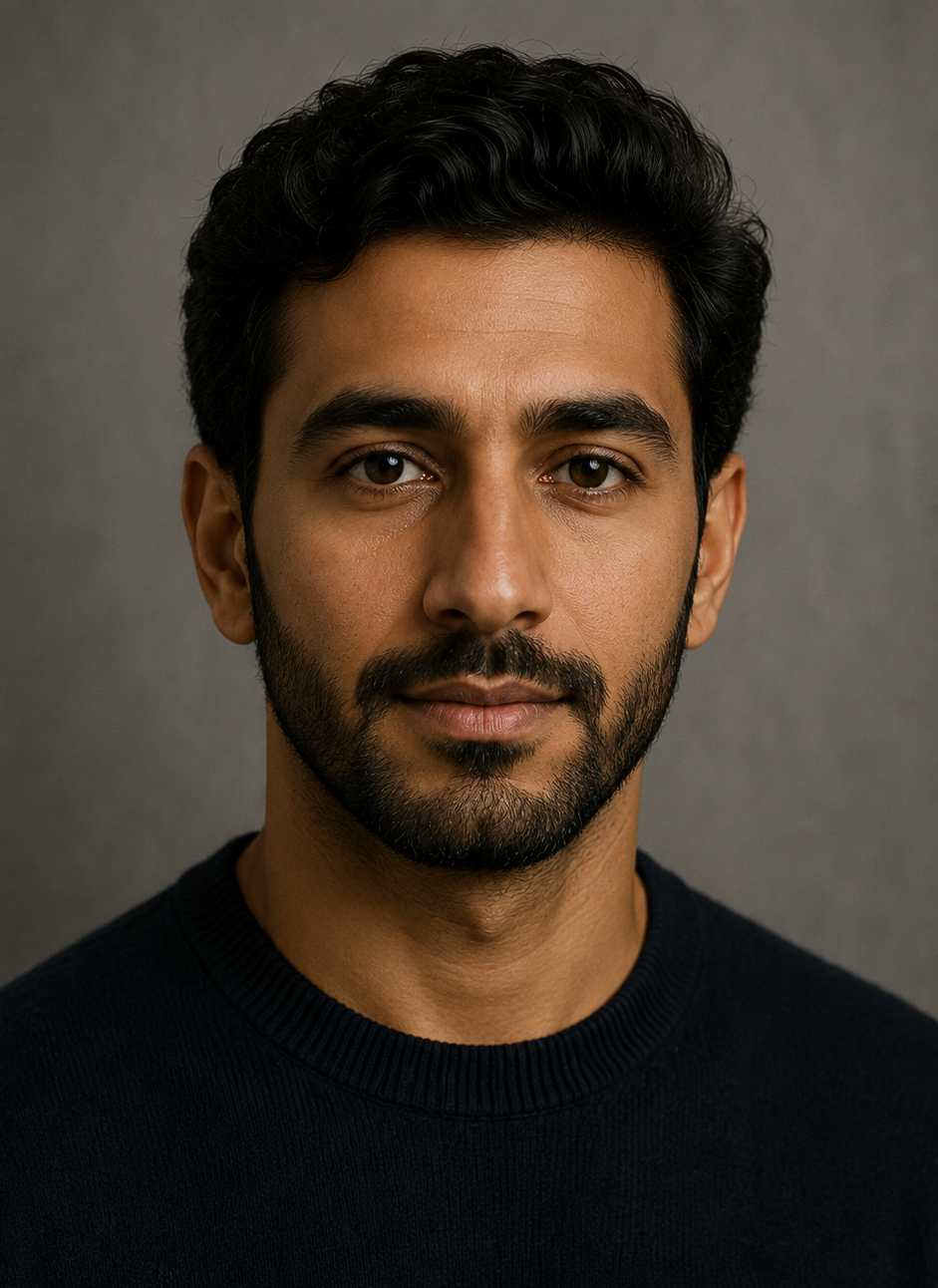
Written by
Khalid Al-Rashidi
Gulf & Middle East Correspondent · Emerging & Strategic Wealth
Khalid covers the family offices, luxury operators, and strategic capital moving across the GCC and wider Arab world — often before the rest of the region notices. He's spent years tracking how Gulf wealth structures itself for the next generation, from residency programmes to private aviation. Based between Dubai and Riyadh. Reach out at khalid.al-rashidi@theplatinumcapital.com.