
Copper's Critical Role in the Energy Transition
As the world accelerates its shift toward renewable energy infrastructure and electric mobility, copper has emerged as the indispensable metal underpinning every solar panel, wind turbine, and electric vehicle battery in the global transition away from fossil fuels. For sophisticated investors and sovereign wealth managers navigating the decade ahead, understanding the structural supply deficit forming in copper markets may prove to be one of the most consequential portfolio decisions of this generation.…

While oil markets were busy absorbing the shock of OPEC+'s fifth consecutive output hike and the UAE's historic departure from the cartel, a quieter — and arguably more consequential — story was playing out several layers beneath the surface of the global energy transition. Copper, the red metal that powers everything from electric vehicle motors to offshore wind turbines, is emerging as the defining commodity of the next two decades. For family offices, private investors, and sovereign-adjacent institutions operating across the Gulf, Central Asia, and Southeast Asia, copper's structural demand story is no longer a conversation for specialists. It belongs at the principal level.
The Electrification Imperative and the Copper Gap
The physics are unforgiving. Every megawatt of renewable energy capacity requires between two and five times more copper than its fossil fuel equivalent. A single offshore wind turbine consumes roughly 4,700 kilograms of the metal. An electric vehicle contains approximately 83 kilograms — nearly four times that of a conventional combustion engine car. With global EV penetration accelerating and grid infrastructure upgrades underway from Southeast Asia to the Gulf, the International Energy Agency projects copper demand could reach 36.6 million tonnes annually by 2031. Current global mine supply sits at approximately 22 million tonnes. That is not a modest gap. It is a structural deficit that no single policy intervention or mining acceleration programme can bridge quickly.
The supply side compounds the problem considerably. Average copper ore grades at major mines have declined by roughly 30% over the past two decades. New mine development — from permitting to first production — typically requires 16 to 20 years. Chile, the world's largest copper producer, is grappling with water scarcity and rising nationalism around resource extraction. Peru, the second-largest, has faced persistent community opposition and operational disruptions. New deposits of genuine scale in the Democratic Republic of Congo, Zambia, and Kazakhstan represent important long-term additions, but none of them resolve near-term tightness. Against that backdrop, copper traded above $9,800 per tonne on the London Metal Exchange in early July 2026. Elevated by any historical measure. And the market knows why.
Gulf Capital and the Strategic Pivot to Critical Metals
The same week Brent crude dipped to $71.10 per barrel following OPEC+'s August output decision, sovereign and quasi-sovereign institutions across the Gulf were quietly deepening their exposure to copper and broader critical minerals. Saudi Arabia's Public Investment Fund has flagged critical minerals as a core diversification theme within its Vision 2030 mandate. ADNOC — now freed from OPEC's production ceilings after the UAE's formal exit from the organisation in May — is actively exploring downstream chemical and materials investments that feed directly into energy transition supply chains. The direction of travel is clear, even if the pace varies by institution.
Qatar's sovereign wealth architecture, anchored by the Qatar Investment Authority with assets exceeding $500 billion, has been building positions in mining royalty companies and diversified natural resource funds as part of a deliberate de-correlation strategy from hydrocarbon price cycles. Bahrain and Oman, smaller in sovereign firepower but increasingly disciplined in their allocation frameworks, are exploring co-investment vehicles with European and Asian fund managers targeting copper-intensive infrastructure projects. The logic is straightforward. As Gulf states monetise hydrocarbons at scale today — the UAE alone pushed exports above 3.94 million barrels per day in June — the question of where that capital compounds over a 30-year horizon points directly at the metals underpinning the energy systems that will eventually replace oil and gas. That is not a philosophical observation. It is an allocation decision.
Central Asia's Copper Moment
Kazakhstan deserves a closer look from any investor monitoring copper's supply trajectory. The country — which contributed 62,000 barrels per day to OPEC+'s August production hike alongside Russia — holds significant copper reserves that remain substantially underdeveloped relative to their geological potential. Kazakhmys, restructured and rebranded in recent years but still operating the country's principal copper assets, has attracted renewed institutional interest as global majors hunt for politically manageable jurisdictions with credible rule of law frameworks. Few outside the region have followed this closely. They should.
Uzbekistan is also moving. The country is advancing the Yoshlik copper-molybdenum project under state enterprise Almalyk Mining and Metallurgical Complex, with capacity expansion plans that could meaningfully increase Central Asian output over the next decade. For family offices already active in Central Asia — whether through real estate, agribusiness, or financial services — copper represents a logical adjacency rather than a leap into the unknown. The region's infrastructure gap is itself copper-intensive. Grid modernisation across Kazakhstan, Uzbekistan, and Azerbaijan requires significant quantities of the metal for transmission and distribution. Local institutional investors, including development finance arms of national funds, are increasingly treating copper-related assets as domestic strategic priorities rather than purely export plays.
Southeast Asia and Africa: The Demand and Supply Frontier
China's purchase of more than 26 million barrels of Middle East crude at discounted prices in July 2026 was, at its core, a statement about industrial capacity and energy appetite. That same industrial base — the world's largest manufacturer of EVs, solar panels, and grid infrastructure — consumes approximately 55% of global copper supply annually. The numbers tell a complicated story. As Chinese manufacturing networks extend into Vietnam, Indonesia, Malaysia, and Thailand through supply chain diversification, copper demand across Southeast Asia is rising sharply. Vietnam's electronics export sector alone is driving transmission infrastructure investment that analysts at Wood Mackenzie estimate will require an additional 180,000 tonnes of copper annually by 2028. That is a significant shift.
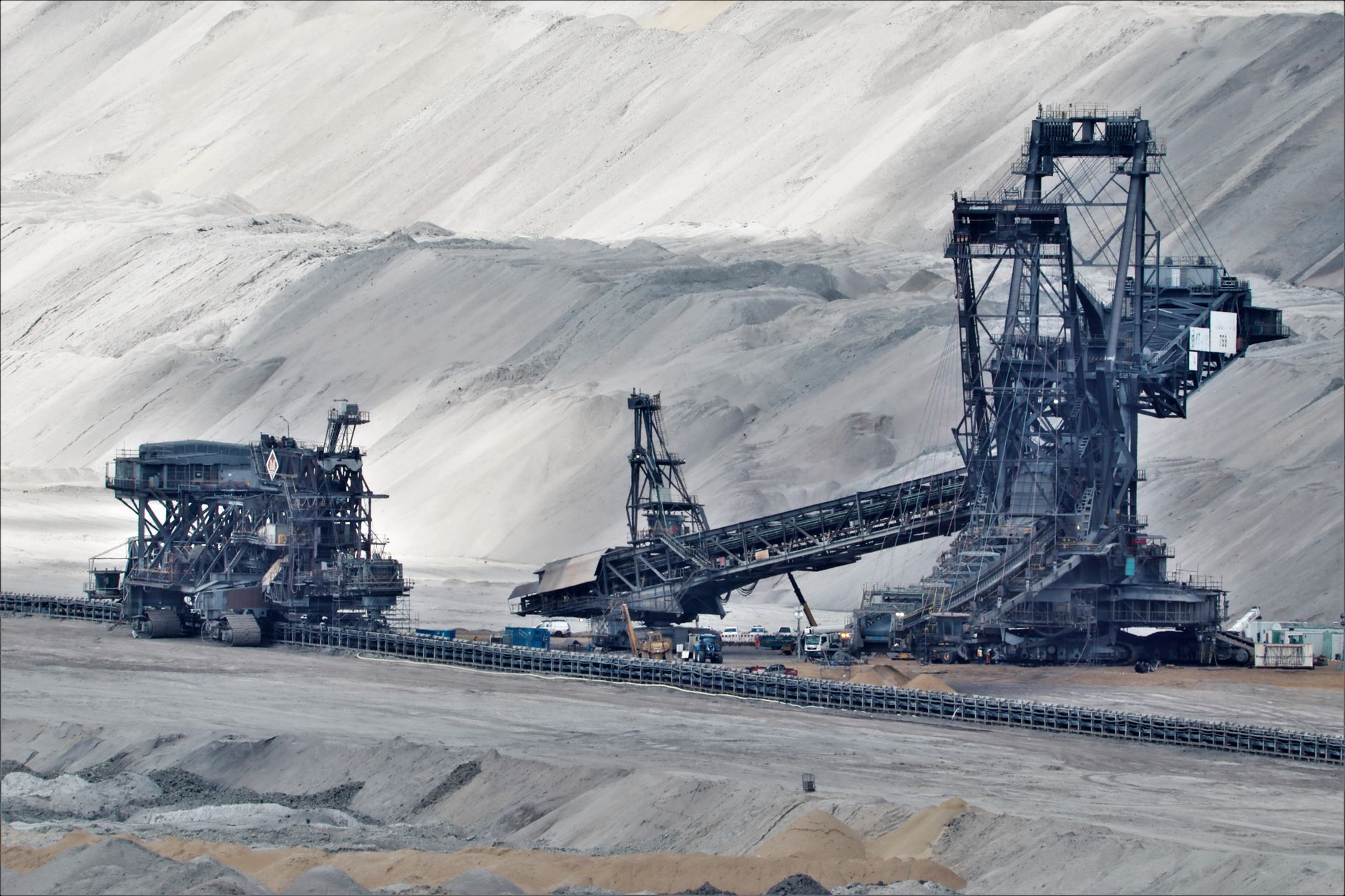
In Africa, the Zambia-DRC copper belt remains the most consequential long-term supply addition on the horizon. Ivanhoe Mines' Kamoa-Kakula complex in the DRC is already producing at scale — the highest-grade large copper deposit discovered in decades. In Zambia, First Quantum Minerals is working through a revised royalty framework with President Hakainde Hichilema's government, while newer entrants including several Gulf-backed vehicles are evaluating greenfield positions across the region. Morocco is playing an increasingly interesting role here, positioning itself as a structuring jurisdiction for natural resource investment vehicles targeting sub-Saharan assets. Gulf capital flowing into Africa through Casablanca is a trend worth watching closely.
What Sophisticated Investors Are Watching Now
For private investors and family office principals operating in the $10 million to $1 billion range, copper exposure can be structured through several distinct channels. Royalty and streaming companies — which provide upfront capital to miners in exchange for a percentage of future production revenue — offer commodity price upside with meaningfully reduced operational risk. Copper-focused closed-end funds and private equity vehicles targeting mid-tier miners in Kazakhstan, Zambia, and Peru provide direct asset exposure with active management overlays. Listed majors including Freeport-McMoRan, Glencore, and Anglo American offer liquid proxies for copper price conviction, though their diversified commodity exposure dilutes the pure-play thesis for those who want it clean.
The deeper strategic point is this. The energy transition is not an event. It is a multi-decade capital reallocation process, and copper sits at its physical foundation. Oil revenues remain robust — the UAE's record export pace confirms that hydrocarbon cash generation is far from exhausted. But the families, institutions, and sovereigns best positioned for the next generation will be those who systematically convert today's hydrocarbon wealth into tomorrow's critical mineral exposure. Copper is not a trade. It is a structural position.
Written by
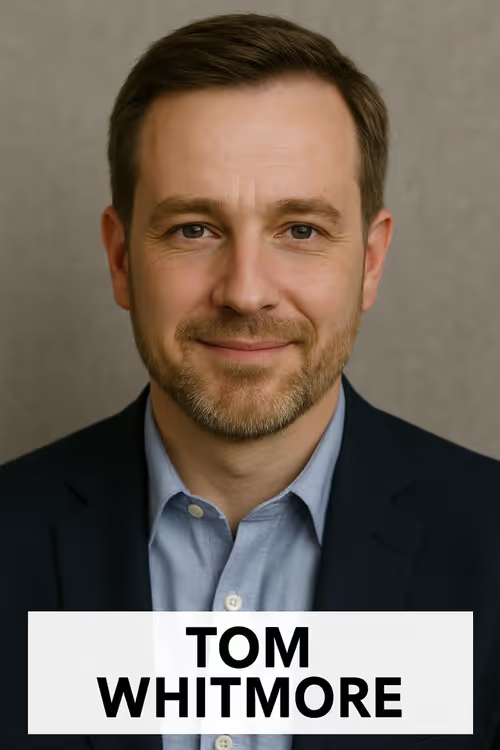
Tom Whitmore
Senior correspondent · Real Estate & Private Companies
Tom has interviewed most of the operators reshaping the Gulf skyline — and a few of the ones who tried and didn't. His beat is real estate, commodities, manufacturing, and the founder-led private companies that never bother to list. He knows which buildings and balance sheets survive a downturn before the spreadsheet does. Based in Dubai. Reach out at tom.whitmore@theplatinumcapital.com.