Food Security Investment Across the Gulf and Africa
As Gulf sovereign wealth funds and family offices accelerate their strategic repositioning toward African agricultural assets, the convergence of water-scarce Gulf economies with land-rich African markets is quietly reshaping the architecture of global food security finance. For discerning investors and policymakers navigating this emerging asset class, understanding the capital flows, sovereign partnerships, and infrastructure corridors driving this transformation is no longer optional — it is a prerequisite for relevance in the next decade of alternative investment strategy.…
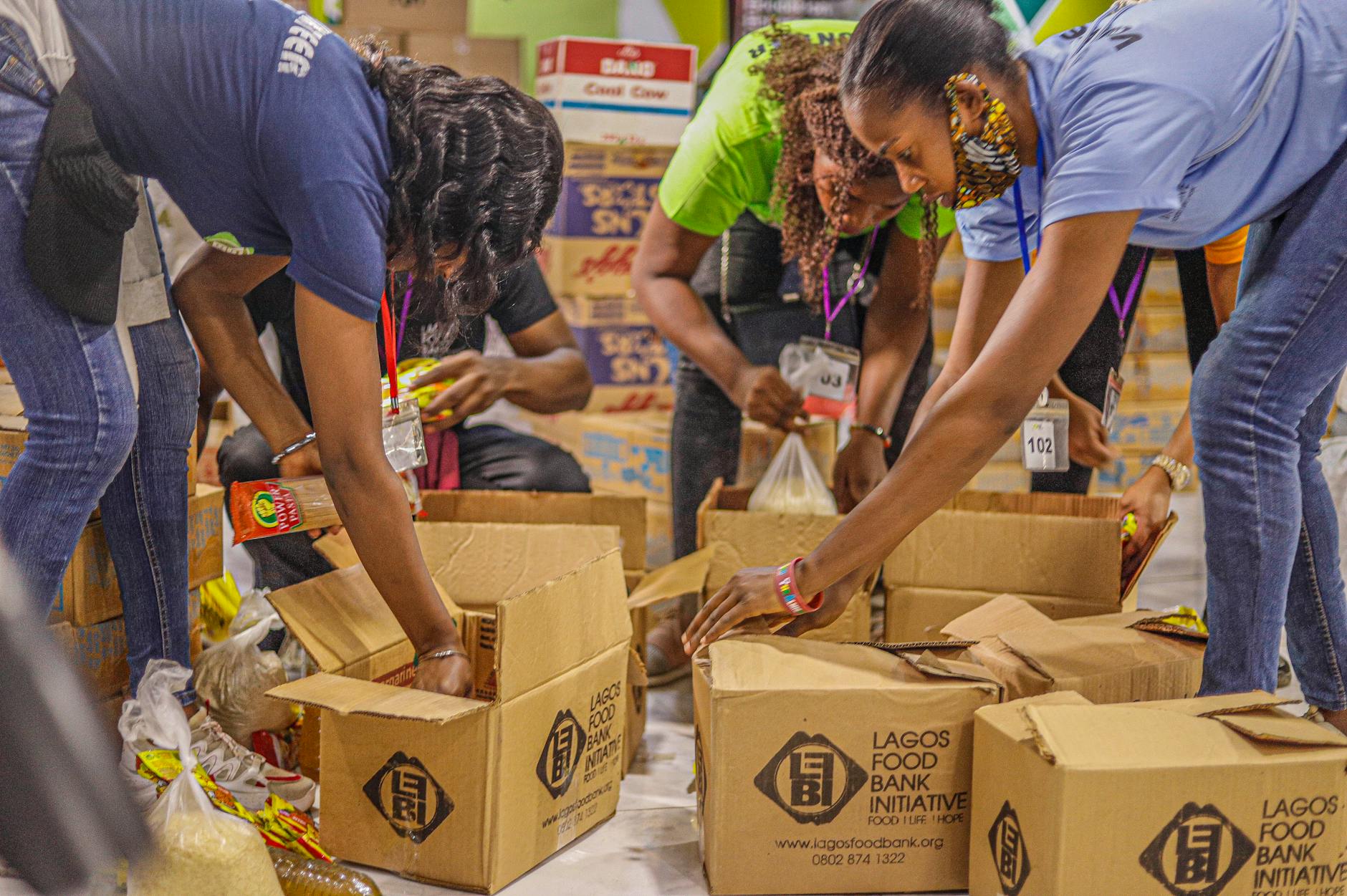
Across two of the world's most strategically consequential regions, capital is moving — quietly, but in serious volume. Gulf Cooperation Council money, sovereign and private alike, is flowing into African agriculture, agri-logistics, and food processing at a pace that has caught even seasoned emerging market investors off guard. By some estimates, GCC capital directed toward African food systems has surpassed $15 billion in committed or announced investments over the past three years. That figure is still climbing. Both sides of this partnership are leaning in harder.
The Strategic Imperative Behind the Capital
The Gulf's food security problem is structural, not theoretical. The region imports more than 85% of its food requirements. That dependency sat quietly for decades — until 2020 through 2022, when pandemic-era supply chain fractures and the Black Sea conflict's shock to global wheat exports made the vulnerability impossible to ignore. The lesson was absorbed at the highest levels of government, and capital has followed.
Saudi Arabia's broader economic recalibration has only intensified the urgency. The Kingdom's Q1 2026 GDP data showed non-oil activities contributing 1.7 percentage points to real growth of 3% year-on-year — a signal that Riyadh's diversification push is producing measurable results and that supply chain resilience in non-hydrocarbon sectors now sits at the top of the policy agenda. For Riyadh, Abu Dhabi, and Doha, food security investment in Africa is not philanthropy. It is supply chain infrastructure dressed in the language of development. The distinction matters.
The Public Investment Fund's newly approved 2026–2030 strategy, ratified in April under Crown Prince Mohammed bin Salman, identifies advanced manufacturing and logistics as two of six domestic ecosystem priorities. NEOM and tourism capture the headlines. But PIF's quieter agricultural mandates — channelled primarily through the Saudi Agricultural and Livestock Investment Company, known as SALIC — are directing capital toward grain corridors, livestock supply chains, and food processing facilities across Sub-Saharan and North Africa. With assets under management now at approximately $913 billion, PIF can afford to treat food security as a long-horizon infrastructure play rather than a short-cycle commodity bet. It is doing exactly that.
Africa's Position: From Recipient to Strategic Partner
Africa holds approximately 60% of the world's uncultivated arable land. Its share of global agricultural output remains disproportionately small. The constraint has never been land or climate — it has been capital, logistics, and institutional capacity. That equation is beginning to shift, and Gulf money is part of why.
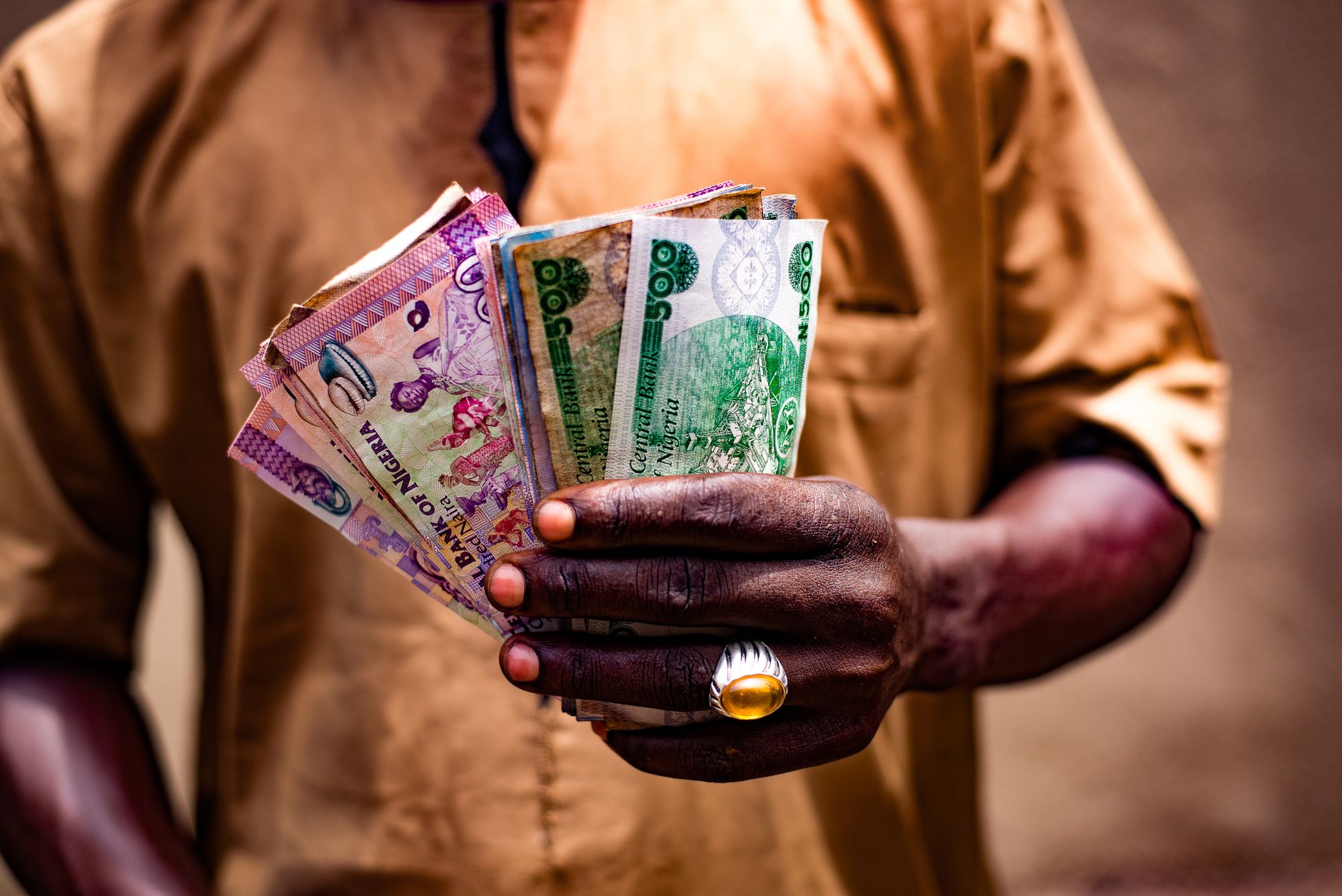
Ethiopia, Sudan, and Tanzania have become focal points for Gulf-backed irrigation and large-scale farming projects. Nigeria and Senegal are attracting investment in rice processing and cold chain logistics. Kenya and Morocco are emerging as agricultural technology hubs, drawing meaningful private equity attention from Gulf family offices. The geography of opportunity is broadening.
Morocco deserves particular attention. As one of the world's largest phosphate producers — OCP Group, a state-controlled enterprise, generates revenues exceeding $10 billion annually — Morocco sits at the intersection of African agricultural infrastructure and Gulf fertiliser demand. OCP has been deepening partnerships with Gulf sovereign institutions while actively expanding fertiliser distribution networks across Sub-Saharan Africa. That aligns precisely with Gulf interest in securing upstream inputs for their own food import chains. For family offices and private investors with capital between $50 million and $500 million, this phosphate-to-farm-gate value chain is one of the more structurally compelling opportunities across either region. Few outside specialist circles are talking about it clearly. They should be.
Sovereign Vehicles and Private Capital: A Two-Track Architecture
The investment architecture here runs on two distinct tracks. Sovereign and quasi-sovereign vehicles — SALIC, Abu Dhabi's ADQ, Qatar's Hassad Food — are taking direct equity positions in African farmland, port infrastructure, and processing assets. These are patient, long-duration positions built to deliver supply certainty rather than near-term financial returns. ADQ has been expanding its food and agriculture portfolio with a particular focus on North and East Africa, operating under a mandate that explicitly links portfolio construction to the UAE's national food security index. That is a different kind of investment logic than most private allocators are used to seeing.
The private track is where capital formation is moving fastest. Gulf-based family offices — many managing generational wealth built on trading, real estate, and energy services — are treating African agri-business as a legitimate alternative asset class. Deal structures are evolving alongside that conviction. Co-investments alongside development finance institutions such as the International Finance Corporation and the African Development Bank are producing blended finance structures that lower the risk threshold for first-time entrants. A growing number of Emirati and Saudi family offices have established dedicated agri-investment vehicles registered in the DIFC or ADGM, giving themselves regulatory familiarity while accessing deals across 15 to 20 African jurisdictions. The infrastructure of a real asset class is being built in real time.
Technology, Logistics, and the Clean Energy Convergence
Earlier Gulf forays into African agriculture — some of which generated significant political backlash under the "land grab" narrative of the early 2010s — looked very different from what is being assembled today. The current cycle integrates technology and clean energy infrastructure directly into the deal thesis. That changes the economics and, critically, the politics.
Masdar's $2.2 billion joint venture with TotalEnergies, announced in April 2026 to develop onshore solar, wind, and battery storage across Asia, signals broader intent within Abu Dhabi's clean energy ecosystem to export the model. Renewable-powered irrigation, solar cold storage, and off-grid processing facilities are now central to how Gulf capital structures agricultural investments in off-grid African markets. Diesel dependency comes down. Farm-level and logistics economics improve simultaneously. The numbers work differently than they did a decade ago.
In East Africa, the convergence is already visible on the ground. Kenyan and Tanzanian agri-businesses with Gulf equity backing are integrating solar-powered cold chains into their export supply lines for horticulture and aquaculture products — categories where the UAE remains a significant end market. The clean energy component is not a side consideration. In markets where grid reliability is limited, it is the condition on which the entire commercial thesis rests.
What Sophisticated Investors Should Be Watching
The next 18 to 24 months will sort serious investors from spectators in this space. Three things deserve close attention.
First, the formalisation of Gulf-Africa food security corridors — including dedicated bilateral investment frameworks under development between the UAE and several East African governments — will begin to define which jurisdictions attract institutional-grade deal flow and which remain at the venture-capital end of the risk spectrum. Jurisdiction selection will matter enormously.
Second, the evolution of PIF's agri-supply chain strategy within its 2026–2030 mandate is likely to generate co-investment opportunities for aligned private capital. Investors who have built relationships with the relevant sovereign vehicles before those opportunities are publicly announced will have a meaningful advantage.
Third, the early performance of blended-finance structures in Nigeria and Kenya will set the template for how development capital and private wealth can be combined at scale across the continent. Watch those deals closely. They are the proof of concept the broader market is waiting on.
Food security has moved from policy aspiration to capital allocation priority for Gulf governments — backed by sovereign balance sheets that dwarf most national development budgets. The most durable returns in emerging markets tend to attach to structural necessity rather than cyclical opportunity. The corridor between the Gulf and Africa's agricultural heartlands is not an emerging theme. For those paying attention, it is already the defining investment story of this decade.
Written by
Amelia Rowe
Senior correspondent · Banking & Economy
Amelia spent eight years inside a sovereign wealth fund before deciding she'd rather write about institutional money than allocate it. She covers central banking, insurance, and the macro decisions that quietly choose which markets get the next decade. Sharp on monetary policy; impatient with anyone who confuses noise with signal. Based in London. Reach out at amelia.rowe@theplatinumcapital.com.