
Egypt's Private Sector Resilience and Its Wealthiest Founders
Egypt's private sector has defied successive macroeconomic shocks — currency devaluations, inflationary spirals, and geopolitical turbulence — emerging not diminished but structurally reconfigured, with a new generation of founder-led enterprises commanding valuations that rival regional peers in the Gulf. For sophisticated investors and family offices seeking asymmetric opportunity in frontier and emerging markets, understanding the architects behind this resilience — their capital allocation philosophies, sectoral bets, and political economy navigation — has become as essential as any macroeconomic dashboard.…
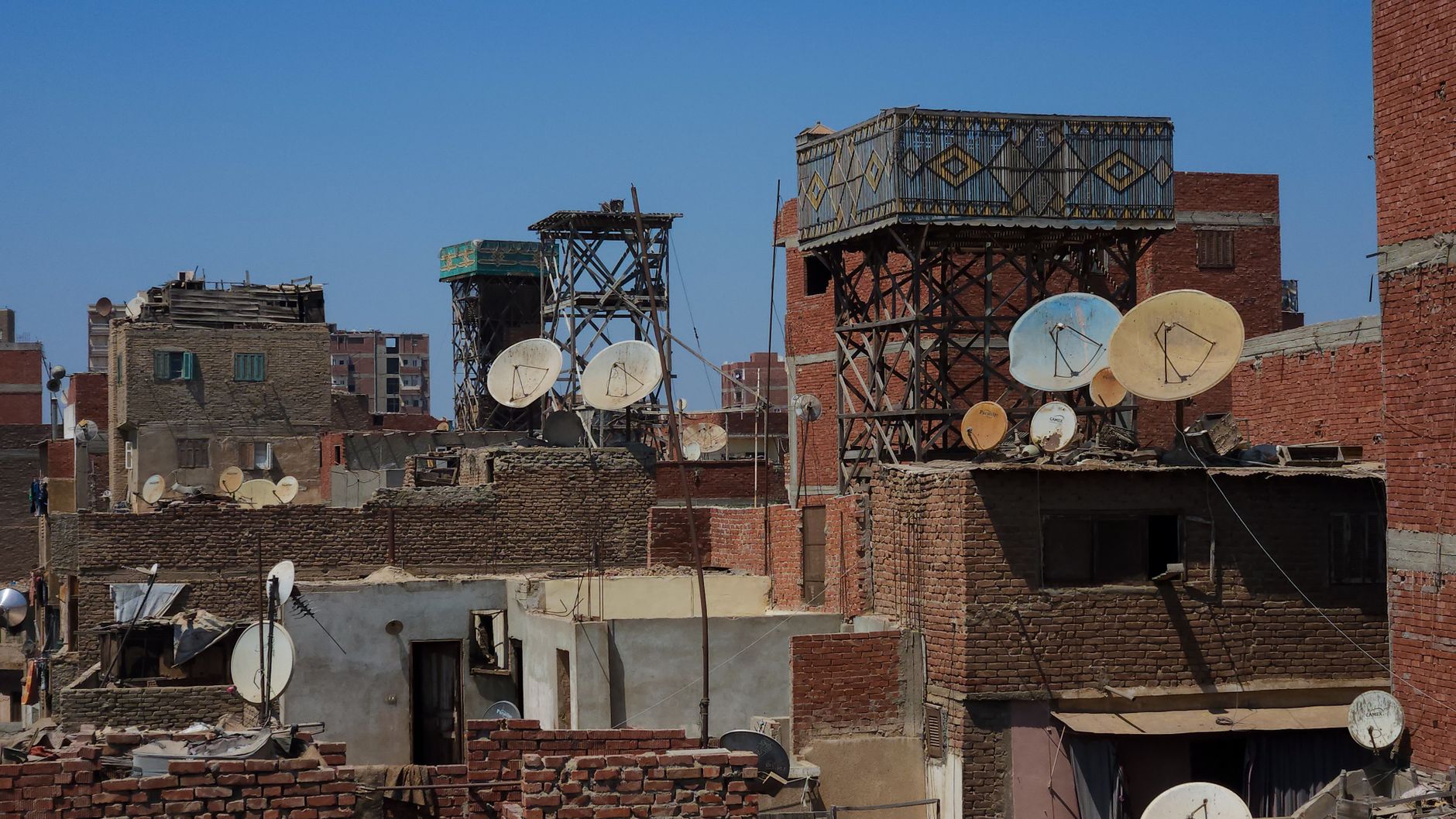
Egypt's private sector has never been a quiet story. Built across decades of economic pressure, currency volatility, and political transition, the country's most enduring business empires were forged not in comfort but in constraint. As the Arab world's most populous nation moves deeper into 2026 — working through a post-IMF agreement economy, a recovering pound, and ambitious infrastructure targets — a distinct class of Egyptian founders is emerging with renewed confidence, capital, and cross-border reach. These are not headline-chasing billionaires. They are builders, and their influence is spreading well beyond the Nile.
A Market Tested by Fire
Egypt's economy absorbed successive shocks over the past four years. A foreign currency crisis that at its peak stripped the pound of more than 50% of its value. Import restrictions that throttled manufacturing inputs. Inflation that touched 38% in 2023. And yet the private sector did not collapse. It adapted. Companies that had built strong domestic balance sheets, maintained dollar-denominated revenue streams, or positioned early in export-linked sectors came out structurally stronger than those that had relied on soft credit or state patronage. The crisis burned off the speculative fat. What remained was genuine enterprise.
That durability is now attracting serious attention. Gulf sovereign wealth funds are watching closely. So is international private equity — Vista Equity Partners opened its first Middle East office in Abu Dhabi in May 2026, a clear signal that sophisticated US institutional capital is repositioning closer to African deal-flow, with Egypt firmly inside that orbit. The numbers tell a complicated story, but the directional read is not complicated at all.
Hassan Allam and the Infrastructure Moment
No single deal better captures Egypt's private sector ambition in 2026 than Hassan Allam Holding's acquisition of MetiPro, the engineering and construction arm of water management group Metito, completed in April. The move is strategically precise. Water infrastructure is no longer a development sector footnote — it is a hard geopolitical asset. Across Africa and the Middle East, governments are spending aggressively to secure supply chains around water, and engineering capability is the bottleneck. By absorbing MetiPro's technical expertise and project portfolio, Allam positions itself not merely as an Egyptian contractor but as a regional infrastructure platform with the capacity to bid on sovereign-scale projects from Riyadh to Nairobi. That is a significant shift.
Hassan Allam Holding, controlled by one of Egypt's most respected industrial families, already operates across construction, utilities, and real estate. The MetiPro deal pushes its reach into a sector where demand is structural and competition from genuinely capable private players remains thin. For Gulf family offices evaluating Egyptian assets, this is precisely the kind of transaction that signals management quality: disciplined, timely, sector-appropriate. It also marks an inflection in how Egyptian conglomerates think about growth — not as domestic market share, but as regional relevance.
The Founders Who Rebuilt Quietly
Beyond the headline deals, Egypt's most resilient founders share a recognisable profile. They built during difficult decades. They refused to over-leverage during the boom years that preceded them. Families with roots in construction materials, food processing, pharmaceutical manufacturing, and logistics — sectors where Egypt's sheer population scale creates durable demand — have compounded quietly and consistently. The country's 106 million population remains one of the most powerful organic growth engines in the Arab world. Founders who understood that consumer fundamentals outlast currency cycles have been rewarded for it.
In pharmaceuticals, companies like Pharco Corporation and EIPICO have extended their export footprints across Sub-Saharan Africa and the Levant, drawing on Egypt's competitive manufacturing cost base. In food and agribusiness, Juhayna Food Industries held its position as a staple consumer brand even through the country's worst inflationary stretch. These are not glamorous stories in the way a Gulf tech unicorn generates column inches. But they represent something more durable: cash-generative, institutionally sound businesses with real pricing power and genuine market depth. For family office allocators seeking private equity exposure in Africa's northern corridor, this is a category that remains systematically under-owned. Few outside the region have noticed. They should.
The African Context — And Why It Matters for Egyptian Capital
Egyptian founders do not operate in isolation. The wider African private sector in 2026 is defined by accelerating ambition and cross-border capital movement. Aliko Dangote's $4.2 billion East Africa fertilizer deal, signed in March, and his refinery's achievement of supplying 92% of Nigeria's petrol demand, show how continent-scale infrastructure thinking has become a defining feature of Africa's wealthiest founders. In the same month, BUA Group's Abdul Samad Rabiu saw his fortune reach $14.6 billion as BUA Cement pushed toward 20 million tonnes of annual output — a figure that would rank it among the largest cement producers on earth.
These West African benchmarks matter for Egyptian entrepreneurs for a specific reason: they are resetting expectations for what private founders across the continent can actually build. Egyptian industrialists — historically more inward-facing than their Nigerian counterparts — are beginning to absorb that lesson. The Allam-Metito deal is one illustration. Broader conversations around Egyptian logistics players expanding into East Africa, and Egyptian pharmaceutical companies entering francophone markets, reflect a real change in how Egypt's private sector understands its own geography. The country is not just a Mediterranean economy. It is an African one. Its most forward-thinking founders are already acting on that fact.
What Investors and Family Offices Should Watch
For private investors, family office principals, and sovereign-aligned funds evaluating Egyptian exposure in 2026, several things warrant close attention. Start with resilience. The companies that maintained hard-currency revenue streams — through exports, tourism-linked services, or regional project work — during Egypt's foreign exchange crisis have now demonstrated a durability premium that balance sheets alone cannot fully capture. Then look at sector alignment. Infrastructure, water, energy transition, food security: these are exactly where Gulf capital is deploying most aggressively, which creates natural co-investment opportunities alongside Egyptian private founders who hold the local execution capability that external capital simply cannot replicate.
The third factor is the one most investors are underweighting. Succession. Egypt's most significant family-owned conglomerates are entering a generational transition. The next-generation principals now stepping into operational roles bring international education, direct exposure to Gulf and European capital markets, and a genuine willingness to pursue institutional structures — independent boards, audited financials, proper governance frameworks — that make external investment far more viable than it was a decade ago. That shift is quiet from the outside. It is also the structural change that matters most. Egypt's private sector has always had capital, talent, and market depth. What it is now building, deal by deal and generation by generation, is the institutional credibility that turns resilience into lasting wealth.
Written by
Khalid Al-Rashidi
Gulf & Middle East Correspondent · Emerging & Strategic Wealth
Khalid covers the family offices, luxury operators, and strategic capital moving across the GCC and wider Arab world — often before the rest of the region notices. He's spent years tracking how Gulf wealth structures itself for the next generation, from residency programmes to private aviation. Based between Dubai and Riyadh. Reach out at khalid.al-rashidi@theplatinumcapital.com.