
Gulf Family Offices: Structure, Strategy, and Global Allocation
Gulf family offices have evolved far beyond passive wealth preservation vehicles, emerging as sophisticated institutional actors deploying multi-generational capital across private equity, real assets, and frontier markets with a strategic precision that rivals sovereign wealth funds. Understanding their governance architecture and cross-border allocation frameworks has become essential intelligence for anyone operating at the intersection of regional influence and global capital markets.…
Across the Gulf, a quiet but consequential restructuring is underway. Family offices that once operated as informal extensions of trading businesses or real estate empires are becoming sophisticated investment institutions — with dedicated governance frameworks, cross-border allocation mandates, and a growing appetite for asset classes that would have seemed exotic to the founding generation. No single event triggered this. What drove it was a convergence: fiscal pressure on sovereign wealth funds, regulatory maturation in Dubai and Riyadh, and a generational wealth transfer placing unprecedented capital in the hands of second- and third-generation principals who think very differently about risk, return, and legacy.
Saudi Arabia's Pivot: PIF Courts Private Capital
The most significant structural signal in the region came in January 2026, when Saudi Arabia's Public Investment Fund — managing assets exceeding one trillion dollars — convened approximately a dozen of the Kingdom's most prominent business families on the Red Sea coast. The purpose was direct: assess their appetite for co-investment in projects central to Vision 2030. The PIF is recalibrating. Persistent budget deficits, subdued oil prices, and an eight billion dollar writedown on gigaproject investments announced in 2025 have forced a rethink of how these projects get funded.
For Gulf family offices, the implications run deep. What was previously a relationship defined by deference — private capital following sovereign direction — is shifting toward something closer to genuine partnership. Families are being invited in at terms that reflect real co-investment, not philanthropic obligation. Private credit, in particular, is expected to grow substantially as the PIF pushes domestic capital formation. That is a significant shift. For family offices with liquidity and long-horizon mandates, this is both opportunity and a subtle expectation of national commitment — a dynamic that principals and their advisors need to weigh with clear eyes.
Dubai as the Architecture of Choice
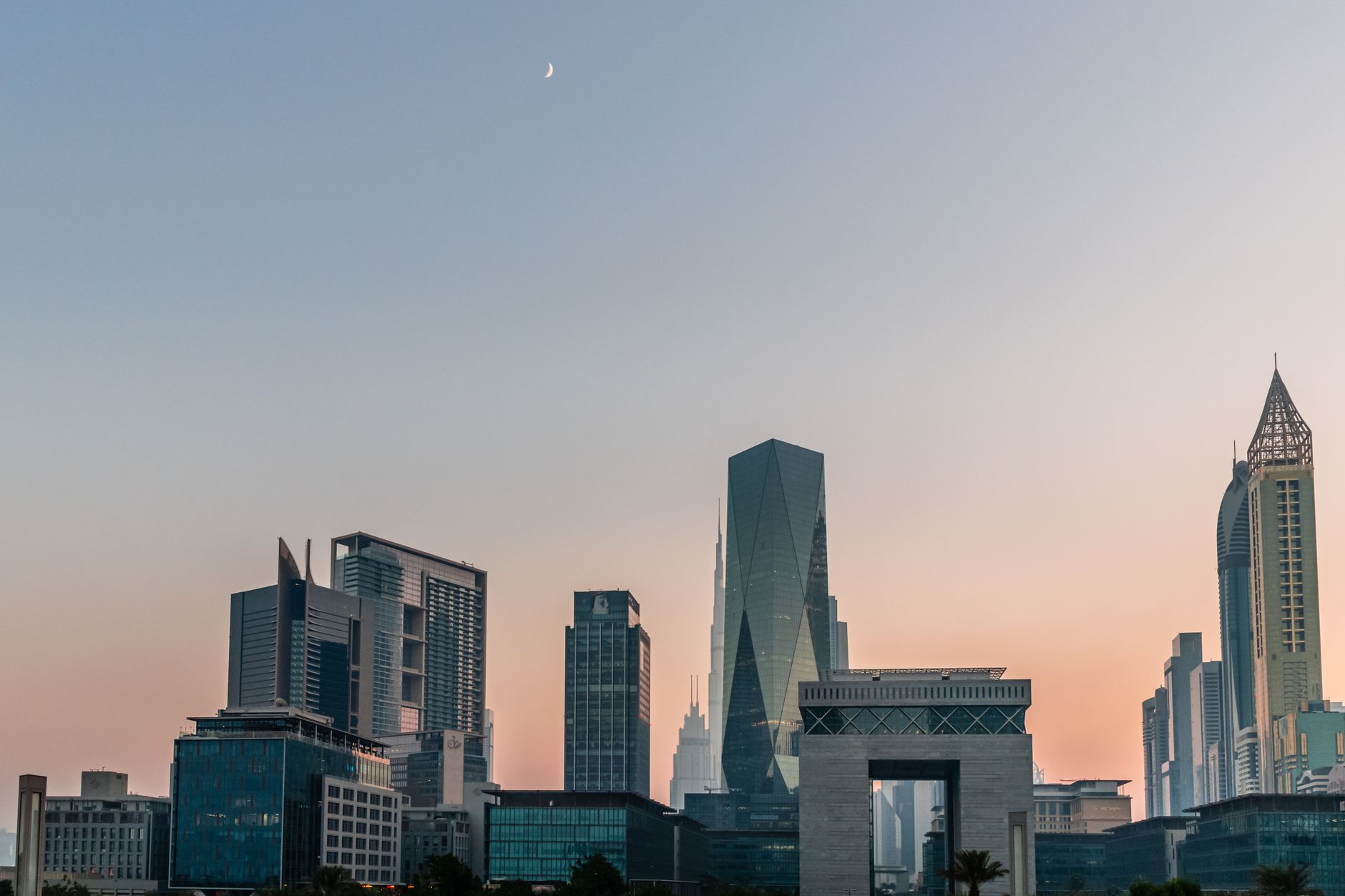
While Riyadh recalibrates its sovereign model, Dubai has consolidated its position as the operational headquarters for Gulf family wealth. The Dubai International Financial Centre reported in February 2026 that its family wealth ecosystem now encompasses more than 1,289 family-related entities — operating within a jurisdiction offering zero personal income tax, no capital gains tax, and regulation increasingly designed to accommodate complex multi-generational structures. The DIFC's broader figure — that high-net-worth individuals globally hold USD 87 trillion in wealth currently reshaping investment priorities — signals the scale of capital Dubai is actively positioning itself to capture.
The UAE's Golden Visa programme remains the residency instrument of choice for Gulf and international principals who want operational flexibility without a full tax domicile relocation. In Henley & Partners' 2026 Global Residence Programme Index, the UAE shares second place globally with a score of 72, alongside Italy and Switzerland. A remarkable result for a jurisdiction that barely prioritised residency-by-investment a decade ago. For family office principals from Saudi Arabia, Kuwait, and Bahrain, DIFC-domiciled structures offer a recognised legal framework, access to international arbitration, and proximity to home markets — without the compliance complexity of European alternatives.
Structuring for Complexity: Beyond the Single-Entity Model
Gulf family offices are moving in one clear structural direction: away from single holding entities and toward layered, purpose-built frameworks. A typical mid-sized office managing between 500 million and two billion dollars might now operate with a DIFC-based holding company, a Cayman or BVI feeder structure for alternative investments, a Luxembourg-registered real estate SPV for European property, and a separate foundation vehicle for philanthropic capital — all connected by a family constitution governing decision-making authority across generations.
This complexity is not administrative preference. It reflects genuine allocation breadth. Gulf family offices are deploying capital into private equity across Southeast Asia — particularly Vietnam and Indonesia, where consumption-driven growth is drawing serious institutional money — as well as into technology funds with Central Asian exposure, where Kazakh and Uzbek digital infrastructure investments are attracting Gulf-based family capital chasing frontier premiums. Few outside the region have noticed. They should. A number of Kuwaiti and Qatari families have quietly built positions in Nigerian fintech and Kenyan agri-logistics, often through co-investment alongside development finance institutions that provide both deal flow and partial risk mitigation.
Citizenship and Residency: The Optionality Asset
No conversation about Gulf family office strategy in 2026 is complete without addressing the growing role of alternative citizenship and residency as a portfolio-level asset. The motivations are plural: succession planning, business travel flexibility, education access for the next generation, and genuine concern about long-term geopolitical optionality. São Tomé and Príncipe's launch of a formal citizenship by investment programme under Decree-Law 07/2025 — with its Dubai-based Citizenship Investment Unit operational and first passports issued in January 2026 — illustrates a broader trend. African sovereign programmes are emerging as credible, cost-efficient additions to a family's passport portfolio, particularly for principals who already hold GCC citizenship but want a neutral travel document for sensitive business markets.
The more established programmes — Malta, Portugal, and Vanuatu — continue to draw Gulf family office attention, though European options face tightening regulatory scrutiny. Within the region, Saudi Arabia's Premium Residency scheme and the UAE Golden Visa together give most Gulf-based principals sufficient optionality for the near term. The numbers tell a complicated story about what comes next. The sophisticated approach now treats residency and citizenship planning not as a one-time decision but as a rolling review embedded in the family office's five-year strategic cycle.
The Decade Ahead: Professionalisation, Governance, and Global Ambition
The Gulf family office sector is approaching an inflection point that will separate institutions from arrangements. Families who invest now in governance infrastructure — independent investment committees, institutional-grade reporting, next-generation education programmes, and properly documented succession protocols — will compound across decades. Those who do not will face the familiar patterns of inter-generational fragmentation that have diluted great Middle Eastern fortunes before. History on this point is unambiguous.
The external environment is more supportive than it was five years ago. Dubai has the regulatory framework. Riyadh is generating the deal flow. Central Asian and African markets offer growth premiums that mature markets simply cannot match. Southeast Asia provides scale. And a new generation of Gulf principals — educated internationally, fluent in alternative assets, and far less deferential to the single-family patriarch model — is ready to deploy capital with a sophistication that rivals any family office operating out of Singapore or Zurich. The question for the next five years is not whether Gulf family offices will globalise. They already are. The real question is whether they will do so with the structural discipline that turns ambition into enduring institutional capital.
Written by
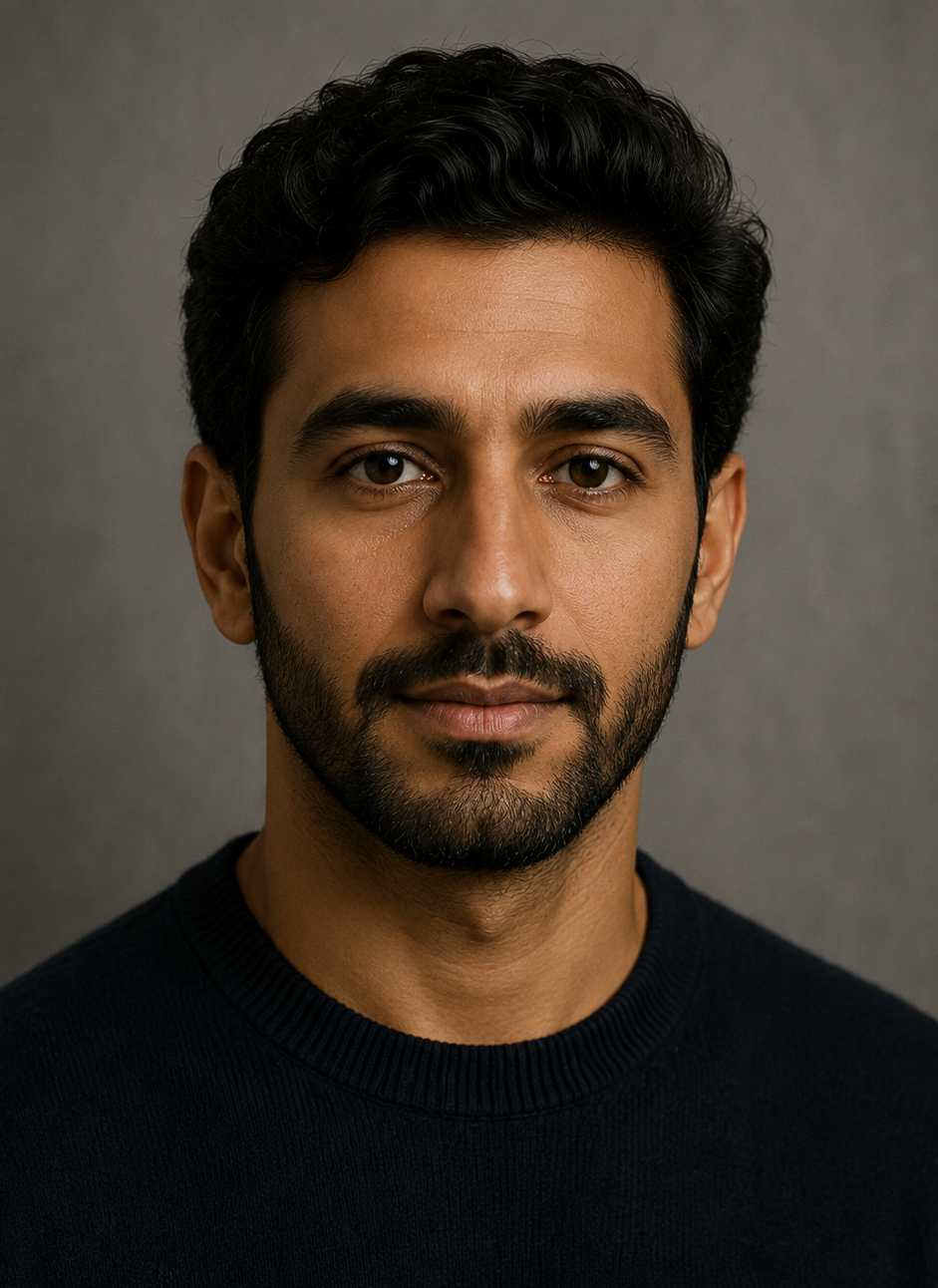
Khalid Al-Rashidi
Gulf & Middle East Correspondent · Emerging & Strategic Wealth
Khalid covers the family offices, luxury operators, and strategic capital moving across the GCC and wider Arab world — often before the rest of the region notices. He's spent years tracking how Gulf wealth structures itself for the next generation, from residency programmes to private aviation. Based between Dubai and Riyadh. Reach out at khalid.al-rashidi@theplatinumcapital.com.