

High-End Healthcare and Wellness Clinics Serving Gulf's Wealthy
The Gulf's ultra-high-net-worth population is driving an unprecedented wave of capital into bespoke healthcare infrastructure, with private clinics across Dubai, Riyadh, and Abu Dhabi now commanding patient fees that rival the most exclusive addresses in London and Geneva. For family offices and sovereign-aligned investors, this convergence of medical excellence, concierge-grade service, and recession-resilient demand is quietly emerging as one of the region's most defensible and high-margin asset classes.…
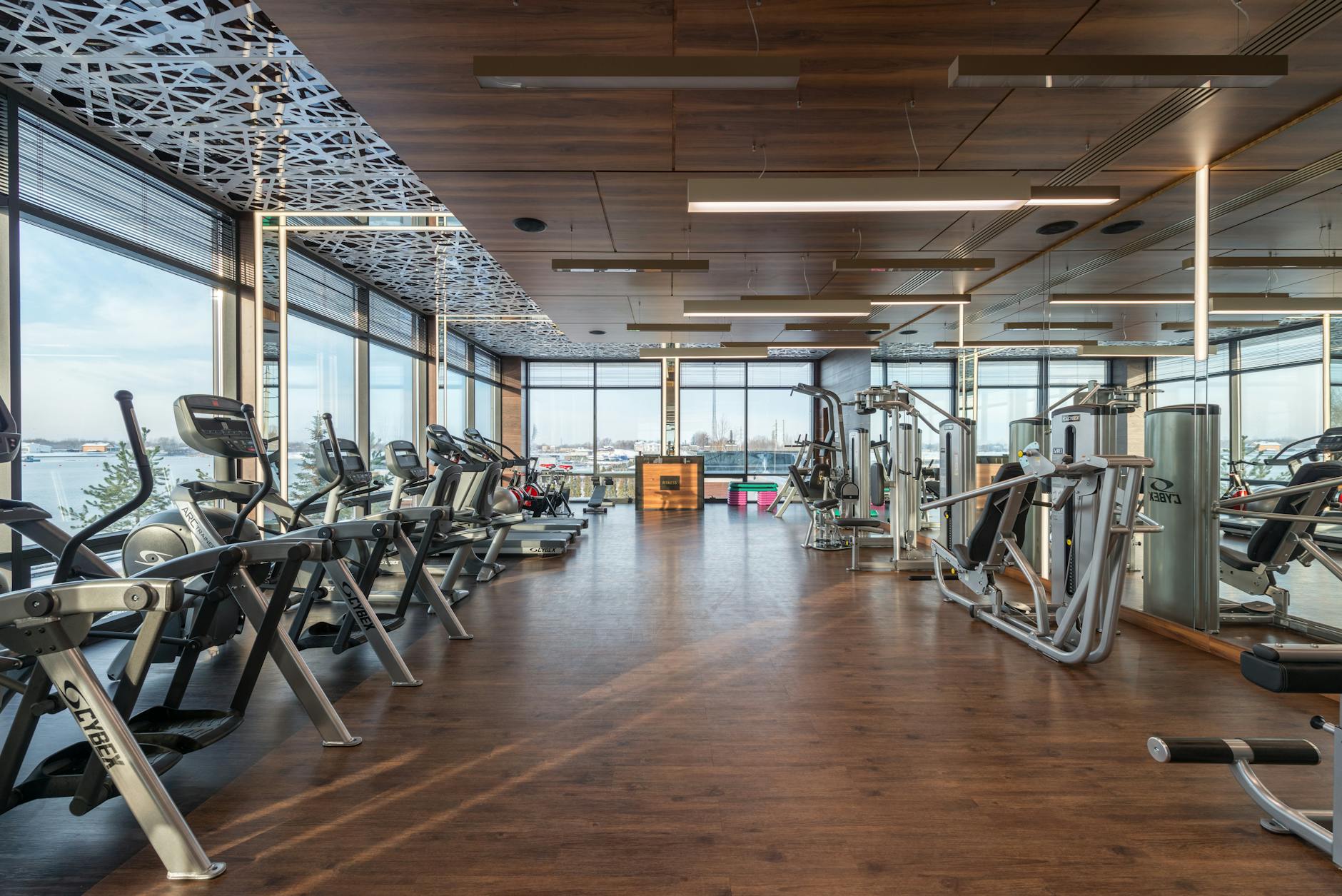
When a member of one of Saudi Arabia's most prominent merchant families was diagnosed with a complex cardiac condition in early 2026, his family did not book flights to Zurich or London. They called a private clinic on the upper floors of a Dubai tower. A team of internationally credentialed cardiologists, a dedicated patient liaison, and a discreet case manager coordinated everything — diagnostics, treatment, rehabilitation — without the family ever setting foot in a public hospital corridor. Seamless. Confidential. Built entirely around the patient's schedule. That experience is fast becoming the expectation among the Gulf's wealthy, not the exception.
High-end healthcare and wellness have quietly become one of the most significant sectors within the GCC's broader luxury economy. As the region's UHNW population grows and its appetite for discretion deepens, a new category of medical institution — sitting at the intersection of five-star hospitality, clinical excellence, and personalised medicine — is reshaping how affluent Gulf families think about health, longevity, and legacy. The money is moving. The infrastructure is following.
The Wealth Surge That Is Driving Demand
Context matters here. Dubai's prime property cycle has produced extraordinary concentrations of new wealth across a compressed timeframe. AHS Properties' Dh1.1 billion acquisition of Shangri-La Dubai in June 2026 and Arabian Acres' structuring of a Dh400 million Jumeirah beachfront land deal in March 2026 — a site projected to deliver over Dh1 billion in gross development value — are not isolated transactions. They signal a capital class spending at trophy levels across multiple categories simultaneously. Healthcare, for this cohort, is simply the next frontier of that premium expenditure.
The numbers tell a complicated story. The Global Wellness Institute valued the wellness economy across the Middle East and North Africa at approximately USD 180 billion in 2024, projecting compound annual growth exceeding 8 percent through 2030. Within that, the private medical services segment serving UHNW individuals — defined by concierge access, international specialist networks, and integrated preventive protocols — ranks among the fastest-growing sub-sectors. Saudi Arabia's Vision 2030 healthcare privatisation agenda and the UAE's sustained push as a medical tourism hub have both accelerated supply. Demand, frankly, has been running ahead of them.
What Luxury Healthcare Actually Looks Like in the Gulf Today
The term "luxury clinic" gets misused constantly. In the Gulf context, it does not mean expensive facilities or marble lobbies. The defining characteristics are structural. Clinics serving UHNW clients operate on strict patient-to-physician ratios — often no more than a few hundred active clients per consultant. Annual membership fees ranging from USD 25,000 to USD 150,000, depending on the depth of service, buy access to a medical team that functions closer to a private family office than a traditional practice. The physician knows your history. They answer the phone.
Among the most sought-after offerings in 2026 are advanced longevity programmes incorporating biomarker profiling, epigenetic testing, and customised supplementation protocols. Clinics across Dubai's DIFC, Dubai Hills, and the Abu Dhabi Global Market zone have expanded aggressively in this area, with several institutions bringing European and American specialists in on rotating residencies. In Riyadh, a growing number of premium clinics have established themselves across the northern districts, serving senior business families and government-adjacent principals who require absolute confidentiality and increasingly prefer to avoid international travel for routine care. That preference shift alone is reshaping where capital flows.
NEOM, Wellness Tourism, and the Saudi Opportunity
Saudi Arabia represents the most compelling medium-term opportunity in the region. Few outside senior investment circles have fully priced this in. They should.
NEOM's Sindalah Island — an 840-hectare Red Sea development targeting a late 2026 opening, anchored by an 86-berth superyacht marina and hospitality designed by Italian naval architect Luca Dini — was conceived in part as a lifestyle and wellness destination. The project's total investment has pushed toward USD 4 billion, with well-documented delays and cost escalation along the way. The strategic intent, though, remains intact: build an ecosystem where ultra-wealthy visitors combine yachting, hospitality, and health in a single curated environment.
PIF Governor Yasir Al-Rumayyan's signals in April 2026 regarding reduced direct government funding for large-scale tourism projects — in favour of AI and infrastructure priorities — have pushed private operators to accelerate their own entry into the Saudi wellness space. That is a significant shift. It opens genuine opportunity for international medical brands, Swiss longevity clinics, and specialist diagnostic providers to establish licensed partnerships with Saudi entities rather than waiting for state-led infrastructure to deliver. The window is open. It will not stay that way indefinitely.
The Concierge Medical Model and the Family Office Parallel
Spend any time with Gulf family offices and the parallel becomes hard to ignore. The premium healthcare model now mirrors the family office structure almost precisely. The most sophisticated providers offer a chief medical officer equivalent — a lead physician who coordinates the health strategy of an entire family across generations, manages relationships with specialists globally, and maintains longitudinal health records that travel securely with the client. For families with principals in Riyadh, children in London, and elderly parents in Cairo or Karachi, that coordination function has immediate, tangible value.
Several Dubai-based clinics have begun offering what they term "family health governance" — an annual review process covering genetic risk profiling for next-generation members, executive health assessments for active principals, and elder care planning that addresses both medical and estate continuity questions. Pricing is structured not unlike a retainer with a law firm or investment manager: quarterly touchpoints, annual comprehensive reviews, and on-call access as standard. The families adopting this model are not treating it as a wellness trend. They are treating it as governance.
What Forward-Looking Wealthy Families Should Consider
For family offices and private investors across the Gulf, Central Asia, and emerging Africa markets, the shift in high-end healthcare warrants serious attention — both as a personal investment and as a sector play. On the personal side, the case for establishing a formal health governance structure alongside financial and legal governance has never been stronger. Longevity science is advancing fast. The families building structured health protocols today — rather than responding reactively to illness — are compounding a different kind of capital. That advantage accumulates quietly, until it doesn't.
On the investment side, premium healthcare real estate, licensed medical tourism infrastructure, and technology-enabled concierge medicine platforms remain significantly under-capitalised relative to demand. As Dubai and Riyadh continue attracting UHNW residents from Nigeria, Kazakhstan, Indonesia, and beyond, the infrastructure supporting their healthcare expectations must scale to match. The families and investors who position early in that supply chain are unlikely to find the space crowded for long. The infrastructure gap is real. So is the return potential.
Written by
Khalid Al-Rashidi
Gulf & Middle East Correspondent · Emerging & Strategic Wealth
Khalid covers the family offices, luxury operators, and strategic capital moving across the GCC and wider Arab world — often before the rest of the region notices. He's spent years tracking how Gulf wealth structures itself for the next generation, from residency programmes to private aviation. Based between Dubai and Riyadh. Reach out at khalid.al-rashidi@theplatinumcapital.com.