
How Saudi Family Offices Are Deploying Capital in 2026
As Saudi family offices navigate a post-oil-boom landscape defined by Vision 2030's maturation, the most sophisticated principals are rotating capital away from domestic real estate and into a diversified tranche of private equity, global infrastructure, and technology ventures spanning Southeast Asia, Europe, and North America. Khalid Al-Rashidi examines how these dynastic wealth custodians are deploying unprecedented liquidity with institutional discipline, leveraging sovereign adjacency and generational continuity to outmaneuver conventional asset managers in an era of structural global realignment.…
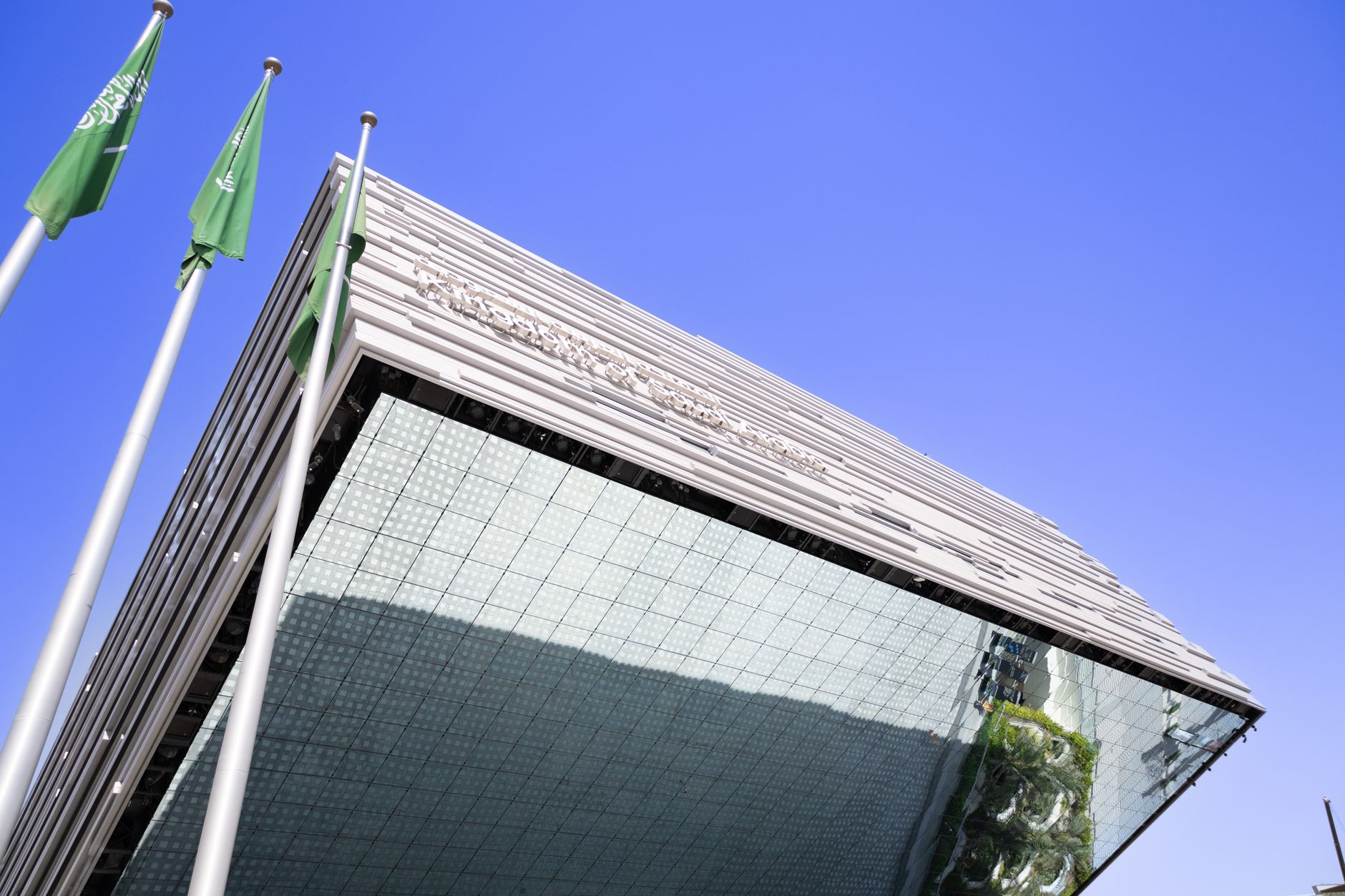
Across Riyadh's newer business districts and the quieter floors of Dubai's most discreet private banks, something structural is happening. Saudi family offices — long defined by concentrated positions in domestic real estate, listed equities, and government bonds — are redeploying capital with a sophistication and geographic breadth that would have seemed improbable five years ago. Vision 2030 has reshaped domestic opportunity while simultaneously pushing ambitious families to diversify externally. That much is understood. What gets far less attention, and is considerably more interesting, is precisely where that capital is going, how it is being structured, and what it signals about the next generation of Gulf wealth management.
The Dubai Pivot: Foundations, Not Just Funds
The most telling data point of early 2026 came not from Riyadh, but from the Dubai International Financial Centre. In the first quarter alone, DIFC registered 158 foundations — more than double the figure from the same period last year. March alone posted 186% year-on-year growth. That is not coincidental. Saudi families managing assets across multiple generations have identified the DIFC foundation structure as their preferred vehicle for cross-border wealth governance. Unlike a trust or a simple holding company, a DIFC foundation offers legal personality, asset ring-fencing, and succession clarity that multigenerational wealth demands — without triggering the disclosure requirements that concern many Gulf families. It is a quiet but deliberate choice, and the numbers show it.
DIFC's broader figures reinforce the story. The centre added 775 new companies in Q1 2026, a 62% increase on the same quarter last year. Janus Henderson Investors, National Bank of Canada, and Prospera Wealth Management all established formal presences during the period. For Saudi family offices, this matters because it deepens the professional ecosystem around their Dubai-based structures. The top 120 families operating out of DIFC now collectively manage above USD 1.2 trillion in global assets, supported by a network of over 600 private banks, law firms, and advisory firms that continues to expand. Riyadh-based principals who once flew into Dubai for one or two relationships can now access institutional-grade services across a full spectrum — within a single jurisdiction.
Reinvesting at Home: Riyadh's Real Estate Opening
External diversification is accelerating. So, simultaneously, is something happening inside the Kingdom. New laws effective January 2026 opened Saudi residential and commercial real estate in Riyadh and Jeddah to foreign ownership for the first time. The market felt it before the policy was fully digested. JLL data shows villa prices in Riyadh up 15.1% since mid-2025, with apartment prices climbing 13.3% over the same period. Sovereign PPG Saudi Arabia reported an 83.4% increase in inbound leads tied to the Saudi Premium Residency programme since the start of 2025.
For established Saudi families, this creates an asymmetric opportunity. Those holding existing land banks and development assets in the capital are watching their portfolios appreciate at rates not seen since the pre-2015 oil cycle — but this time the driver is structural reform, not commodity speculation. That distinction matters enormously. The foreign ownership rules are already pulling institutional capital from Southeast Asia and Central Asia into Riyadh, which means Saudi family offices with well-positioned assets are effectively becoming the sellers and development partners to an entirely new class of international buyer. Several prominent Riyadh-based family groups are understood to be structuring joint ventures with Malaysian and Indonesian sovereign-linked funds specifically to play this dynamic.
Sector Rotation: Technology, Healthcare, and the Private Credit Turn
Beyond real estate, Saudi family offices are executing a quiet but deliberate rotation out of public markets. The volatility of 2024 — compounded by the prolonged recalibration of global interest rates — accelerated a move toward private assets that had already been building for years. Three destinations dominate: growth-stage technology businesses across the GCC and wider Arab world, healthcare infrastructure plays in markets with demographic tailwinds, and private credit, which has become the most discussed asset class among family office principals through the first half of 2026.
Private credit represents a genuine departure from historical Saudi family office behaviour. These families were traditionally equity-oriented and real-asset-focused. Credit was something banks did. Today, family offices managing USD 500 million or more are actively co-investing alongside dedicated credit funds in Egypt, Morocco, and Nigeria — markets where local financing gaps generate yield premiums that developed-market credit simply cannot match. Several families with existing trade relationships across North and West Africa are using those commercial networks to source proprietary deal flow directly, cutting dependence on fund managers and improving net returns. Few outside the region have fully registered this shift. They should.
Governance and the Next Generation
The most consequential shift may be structural rather than sectoral. The generation now assuming real decision-making authority within Saudi family offices — largely individuals educated abroad during the 2005–2015 period — is demanding institutional-grade governance in a way their predecessors rarely did. Formal investment committees with independent members. Written investment policy statements. Third-party performance attribution. And critically, the clean separation of family business operating assets from investment capital. These are not aspirational features anymore. They are baseline expectations.
This governance maturation is driving strong demand for a specific type of advisory relationship — not the traditional private bank relationship manager model, but something closer to a dedicated Chief Investment Officer function, either hired internally or accessed through a multi-family office arrangement. Several Dubai-based multi-family office platforms, including some that registered in DIFC during Q1 2026, are targeting this segment directly. They are offering Saudi and wider GCC families a professional infrastructure that preserves confidentiality while delivering the accountability frameworks that next-generation principals now treat as non-negotiable.
The Forward View: Concentration Risk and Corridor Thinking
The strategic challenge facing Saudi family offices over the next three to five years is one of managed complexity. Capital once held in three or four domestic positions must now be administered across multiple jurisdictions, asset classes, legal structures, and generational stakeholders. The families executing this transition most effectively share a common trait: they moved early. They established DIFC or Abu Dhabi Global Market structures while regulatory conditions remained favourable. They built genuine relationships in target markets rather than allocating through intermediaries at arm's length.
The corridors that matter most in 2026 are Riyadh–Dubai, Riyadh–Cairo, and an emerging Riyadh–Kuala Lumpur axis tied to infrastructure and halal economy investments. Families that have developed real on-the-ground knowledge in these markets — rather than treating them as distant line items on a spreadsheet — are not simply deploying capital. They are positioning themselves as the kind of long-term strategic investors that governments and co-investors across the Arab world and beyond will actively court for decades to come. The difference between those two roles, in terms of both influence and return, is considerable.
Written by
Khalid Al-Rashidi
Gulf & Middle East Correspondent · Emerging & Strategic Wealth
Khalid covers the family offices, luxury operators, and strategic capital moving across the GCC and wider Arab world — often before the rest of the region notices. He's spent years tracking how Gulf wealth structures itself for the next generation, from residency programmes to private aviation. Based between Dubai and Riyadh. Reach out at khalid.al-rashidi@theplatinumcapital.com.