

Indonesia's Next Wave of Private Wealth Outside Jakarta
As Indonesia's economic gravity shifts beyond the capital, second-tier cities such as Surabaya, Makassar, and Medan are quietly minting a new class of ultra-high-net-worth individuals whose wealth is rooted in commodities, digital commerce, and regional infrastructure — assets largely insulated from Jakarta's political volatility. For sophisticated family offices and sovereign-aligned investors seeking asymmetric growth exposure, the real opportunity now lies not in replicating the capital's playbook, but in understanding the distinct capital flows, land dynamics, and entrepreneurial ecosystems taking shape across the archipelago's underserved but rapidly maturing wealth corridors.…

For decades, the story of Indonesian private wealth has been written almost entirely in one postcode. Jakarta — with its gleaming towers along Sudirman and Gatot Subroto, its family conglomerates stretching back to the Suharto era, and its tight-knit circle of ethnic Chinese business dynasties — has dominated the national narrative of money and power. That is changing. Quietly, and with the particular confidence of people who have never needed external validation, a new generation of wealthy entrepreneurs is emerging from Surabaya, Makassar, Medan, Balikpapan, and the secondary cities of Java and Sulawesi. They are building businesses worth hundreds of millions of dollars, attracting regional capital, and increasingly drawing the attention of Gulf family offices and Southeast Asian sovereign funds looking beyond the capital for Indonesia's next chapter.
The Decentralisation Dividend
Indonesia's regional wealth story cannot be told without understanding a structural policy shift that has been compounding for over two decades. The post-Reformasi decentralisation framework transferred significant fiscal and administrative authority to provincial and district governments — and in doing so, created a generation of regional business operators who built their enterprises in close proximity to natural resource extraction, agricultural supply chains, and local infrastructure contracts. What began as political devolution has quietly produced a class of non-Jakarta entrepreneurs whose balance sheets, in several cases, now rival mid-tier conglomerates in the capital.
The numbers are striking. In East Kalimantan alone — home to the country's new capital Nusantara and significant coal and palm oil reserves — private business wealth outside the listed sector grew at a compound rate exceeding 12 percent annually over the past decade, according to regional banking data cited by Indonesia's Financial Services Authority in its 2025 annual review. Few outside the region have noticed. They should.
The defining difference between this cohort and their Jakarta counterparts is not scale — it is proximity. These entrepreneurs own the land, control the logistics, employ the local workforce, and in many cases hold the ear of the bupati. That embedded advantage is proving extraordinarily difficult for Jakarta-centric competitors to replicate.
Surabaya and the East Java Merchant Class
Surabaya has long been Indonesia's second city in name. It is rapidly becoming so in capital terms. The city's trading and manufacturing families — many with roots in the batik, tobacco, and sugar industries of the colonial era — have reinvented themselves across three generations into logistics, agribusiness processing, and increasingly, digital commerce infrastructure. Several family offices in Surabaya now manage portfolios in the USD 150 million to USD 400 million range, with growing allocations into regional real estate, private credit, and cross-border opportunities in Vietnam and the Philippines.
One area drawing serious attention is the halal food processing corridor stretching from East Java through Madura and into Lombok. Global halal food trade is projected to exceed USD 3.2 trillion by 2028, according to the State of the Global Islamic Economy Report. Surabaya-based processors are positioning themselves not merely as domestic suppliers but as export platforms serving the Gulf, Malaysia, and North Africa. Saudi Arabia's Vision 2030 food security mandates have already generated preliminary sourcing conversations between East Javan agribusiness operators and procurement agents linked to the Saudi Agricultural and Livestock Investment Company. These are not headline deals yet. They are the kind of quiet relationship-building that precedes significant capital flows.
Makassar, Sulawesi, and the Nickel Wealth Effect
If one commodity has minted more new non-Jakarta millionaires in the past five years than any other, it is nickel. Indonesia holds the world's largest nickel reserves, and the government's downstream processing mandate — which banned raw ore exports from 2020 — concentrated enormous value creation in Sulawesi, where the majority of processing infrastructure sits. The industrial parks around Morowali and Weda Bay have generated a secondary economy of suppliers, contractors, logistics operators, and landowners whose aggregate wealth is difficult to quantify but unmistakably substantial.
Makassar, as the commercial gateway to eastern Indonesia, has absorbed much of this capital. Local entrepreneurs who positioned themselves early in nickel supply chain services — from equipment leasing to port handling to worker accommodation — are now sitting on illiquid but significant balance sheets. That is a significant shift. The challenge for this cohort, as several family advisors working in the region have noted, is moving from operationally concentrated wealth into diversified, managed capital. Gulf family offices, particularly those in Dubai and Abu Dhabi that made precisely that journey from hydrocarbon concentration to diversified private portfolios, are well-placed to help broker that transition. The parallel with Abu Dhabi's emergence as a hub for African and developing-market capital — exemplified by Vista Equity's decision to open its first Middle East office there in May 2026 to access sovereign and family capital targeting resource-rich emerging markets — is not lost on those watching Indonesia's regional wealth story closely.
Medan and the Sumatra Opportunity
North Sumatra and the greater Medan metropolitan area may be the most underappreciated concentration of private wealth in Southeast Asia. Full stop. The region's palm oil wealth is well-documented, but the next generation of Medan-based business families is diversifying hard — into healthcare, private education, logistics technology, and cross-border trade with peninsular Malaysia and Singapore. Several second-generation heirs to Sumatra's plantation fortunes have completed MBAs at institutions in the UK, Australia, and the UAE, and are returning with a markedly different appetite for structured investment vehicles, co-investment opportunities, and offshore estate planning.
Geography also works in their favour. Medan's position along the Malacca Strait — one of the world's most strategically significant shipping chokepoints — gives locally embedded logistics and port-adjacent businesses a structural advantage that is not going away. With regional trade volumes between ASEAN members projected to grow 6.4 percent annually through 2030, the families who control Sumatra's logistics and processing infrastructure are compounding quietly but decisively.
What This Means for Regional Capital and Family Offices
The rise of credible private wealth outside Jakarta carries real implications for how regional and international capital approaches Indonesia. For Gulf family offices, Central Asian sovereign funds, and African conglomerates building their own Southeast Asian exposure, the conventional playbook of engaging Jakarta intermediaries and listed-market proxies is no longer enough. The real asymmetric opportunities — the kind that resembled what Dangote's refinery represented for Nigeria before it became a globally recognised asset — are currently sitting in Balikpapan land banks, Sulawesi nickel supply chains, and Surabaya halal processing facilities that have yet to be properly capitalised or institutionalised.
The entrepreneurs holding these assets are not, in most cases, seeking publicity. They are seeking the right partners — those who understand resource-backed wealth, respect operational discretion, and can bring structured capital without demanding control. For family offices and private investors who can offer precisely that, Indonesia beyond Jakarta is not a frontier. It is an open door.
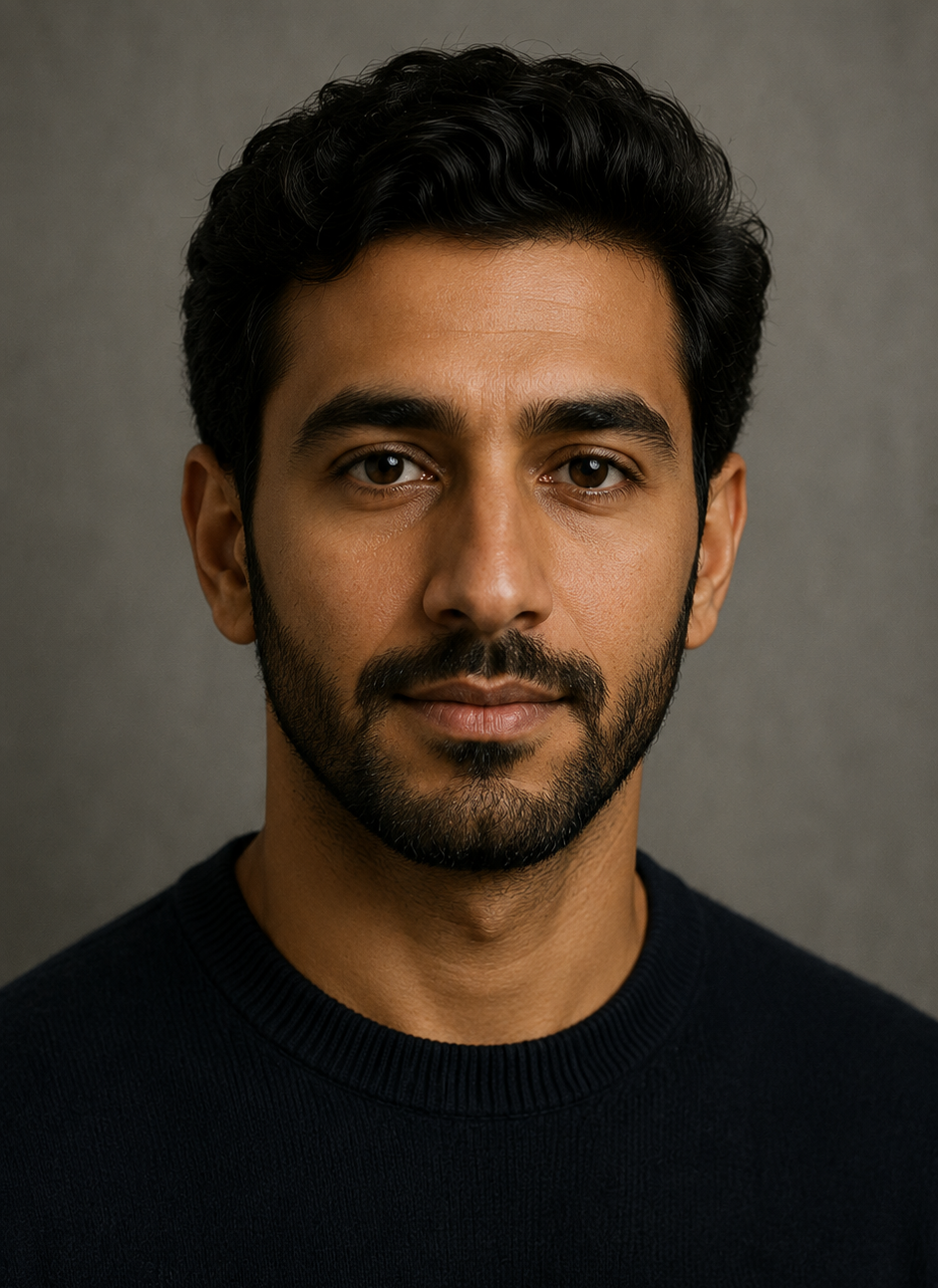
Written by
Khalid Al-Rashidi
Gulf & Middle East Correspondent · Emerging & Strategic Wealth
Khalid covers the family offices, luxury operators, and strategic capital moving across the GCC and wider Arab world — often before the rest of the region notices. He's spent years tracking how Gulf wealth structures itself for the next generation, from residency programmes to private aviation. Based between Dubai and Riyadh. Reach out at khalid.al-rashidi@theplatinumcapital.com.