

Private Aviation in the Gulf: The Charter Operators Flying the Wealthy
The Gulf's private aviation sector has quietly evolved into one of the world's most sophisticated markets, with charter operators commanding hourly rates that rival those of established European firms while offering bespoke routing across a region where commercial connectivity still fails to match the pace of ultra-high-net-worth demand. From Riyadh to Doha, a new generation of operators is reshaping the competitive landscape, leveraging fleet expansion and regulatory liberalisation to capture a clientele whose travel patterns increasingly reflect the shifting centre of gravity in global wealth.…
The Sky as Status Symbol
When Abu Dhabi's ADQ sovereign wealth fund quietly acquired a 30 percent stake in Falcon Aviation Services in late 2025, it wasn't a routine portfolio move. It was confirmation of something charter operators across the Gulf have known for years: private aviation in the region has stopped being a niche luxury. It's infrastructure for the ultra-wealthy now, and serious capital is chasing it.
The Gulf Cooperation Council's private jet market is projected to hit $4.2 billion in annual revenue by the end of 2026, according to aviation consultancy WingX Advance. That's a 17 percent jump from 2024 — fuelled by a surge in family office formation across Saudi Arabia and the UAE, a swelling billionaire class, and a regional events calendar (Formula 1 in Jeddah, COP33 preparations) that keeps demand for on-demand air travel running hot year-round.
The Operators Dominating Gulf Skies
A handful of charter companies have locked up the region's wealthiest clients. Dubai-based Jetex, founded by Adel Mardini, has arguably been the most aggressive, expanding its fixed-base operator network to 38 locations globally as of early 2026. The company's Dubai South facility — a 35,000-square-foot private terminal at Al Maktoum International Airport — has become the de facto arrival point for ultra-high-net-worth individuals entering the emirate. Jetex reported a 24 percent year-on-year increase in flight movements through its Gulf terminals in 2025. The average transaction value per charter exceeded $78,000.
Falcon Aviation Services, headquartered in Abu Dhabi and now partially backed by ADQ, operates a fleet of 14 aircraft including Bombardier Global 6000s and Gulfstream G650ERs. The company has positioned itself as the preferred operator for Abu Dhabi's ruling family circle and senior Emirati business figures. Its helicopter shuttle between Abu Dhabi and Dubai — a 30-minute flight that skips the congested E11 highway — has seen bookings climb 40 percent since 2024, according to company disclosures. That is a significant shift.
Saudi Arabia's private aviation sector, meanwhile, is being reshaped by SAUDIA Private, the charter arm of the national carrier, which launched dedicated ultra-premium services in 2025 aimed at the kingdom's family offices and conglomerates. The operator secured five new Gulfstream G700 aircraft for delivery through 2026, each configured for 13 passengers with full lie-flat suites. SAUDIA Private's CEO, Fahd Cynndy, told Aviation Business News in March 2026 that the company had recorded $310 million in charter revenue for the prior fiscal year. If accurate, that would place it among the top five operators in the Middle East by turnover.
Family Offices Take to the Air
The explosion of single-family offices across the Gulf — more than 1,100 now operating in the UAE and Saudi Arabia combined, per a 2026 Campden Wealth report — has created a distinct client segment for charter operators. These offices manage pools of capital typically ranging from $300 million to several billion dollars. They don't treat aviation as discretionary spending. They treat it as operational necessity.
A senior partner at a Riyadh-based family office managing roughly $2.1 billion in assets, who spoke on condition of anonymity, described their aviation budget as "non-negotiable." The office spends about $4.5 million annually on private charter, primarily for the principal's travel between Riyadh, London, Geneva, and Singapore. "The calculation is straightforward," the partner said. "A commercial first-class ticket costs time, privacy, and flexibility. Those are the three things our principal values most."
That calculus has pushed several Gulf family offices toward fractional ownership programmes. Dubai-based XO, the Directional Aviation subsidiary, reported a 55 percent increase in Gulf-based fractional programme enrolments in 2025. Vista Global, the parent company of VistaJet, disclosed that Middle Eastern clients now account for 18 percent of its global membership base, up from 11 percent in 2022. Few outside the region have noticed. VistaJet's programme membership in the Gulf starts at approximately $250,000 annually for guaranteed access to its fleet of Bombardier Global and Challenger aircraft.
Infrastructure Expansion and Regulatory Shifts
Demand has outrun ground infrastructure. Dubai's Al Maktoum International Airport is undergoing a $35 billion expansion that will include a dedicated private aviation precinct capable of handling 200 business jet movements per day by 2030. Riyadh's King Khalid International Airport opened a new private aviation terminal in January 2026 with capacity for 50 simultaneous aircraft — a direct response to Vision 2030's ambition of turning the capital into a global business hub.
Qatar took a different route. Doha's Lusail Private Aviation Terminal, operational since late 2025, was designed from the start as a boutique facility catering exclusively to heads of state, royal families, and ultra-high-net-worth travellers. The terminal offers direct customs clearance, armoured vehicle access to the tarmac, and private immigration processing in under four minutes.
Regulatory frameworks are moving too. The UAE's General Civil Aviation Authority introduced new charter licensing rules in 2025 that streamlined approvals for foreign-registered aircraft operating in Emirati airspace, cutting permit processing from 72 hours to 12. Saudi Arabia's General Authority of Civil Aviation followed with similar measures, explicitly designed to lure international operators into basing aircraft in the kingdom.
Turbulence on the Horizon
The sector has its pressure points. Aircraft delivery backlogs remain brutal. Gulfstream's production schedule for the G700 is effectively sold out through 2028, and Bombardier's Global 7500 — the aircraft Gulf clients covet most — carries a waiting list stretching beyond 30 months. That supply crunch has inflated pre-owned aircraft prices by an estimated 22 percent across the super-midsize and ultra-long-range categories since 2023, according to Aircraft Bluebook data.
Sustainability pressures are building too, though more slowly than in European markets. Several Gulf operators have started purchasing sustainable aviation fuel credits, but actual SAF availability at regional airports remains below 2 percent of total fuel supply. Jetex has committed to carbon-neutral ground operations at all its facilities by 2027 — a pledge industry observers read as commercially motivated more than anything else. Wealthy clients, particularly younger principals inheriting family office control, increasingly ask about environmental credentials before signing contracts.
The economics, though, remain hard to argue with. Brent crude has held above $80 per barrel through early 2026, Gulf sovereign wealth keeps growing, and personal fortunes ride alongside it. For the operators flying the region's wealthiest, the question isn't whether demand will hold. It's whether they can get their hands on enough aircraft and terminal space to meet it.
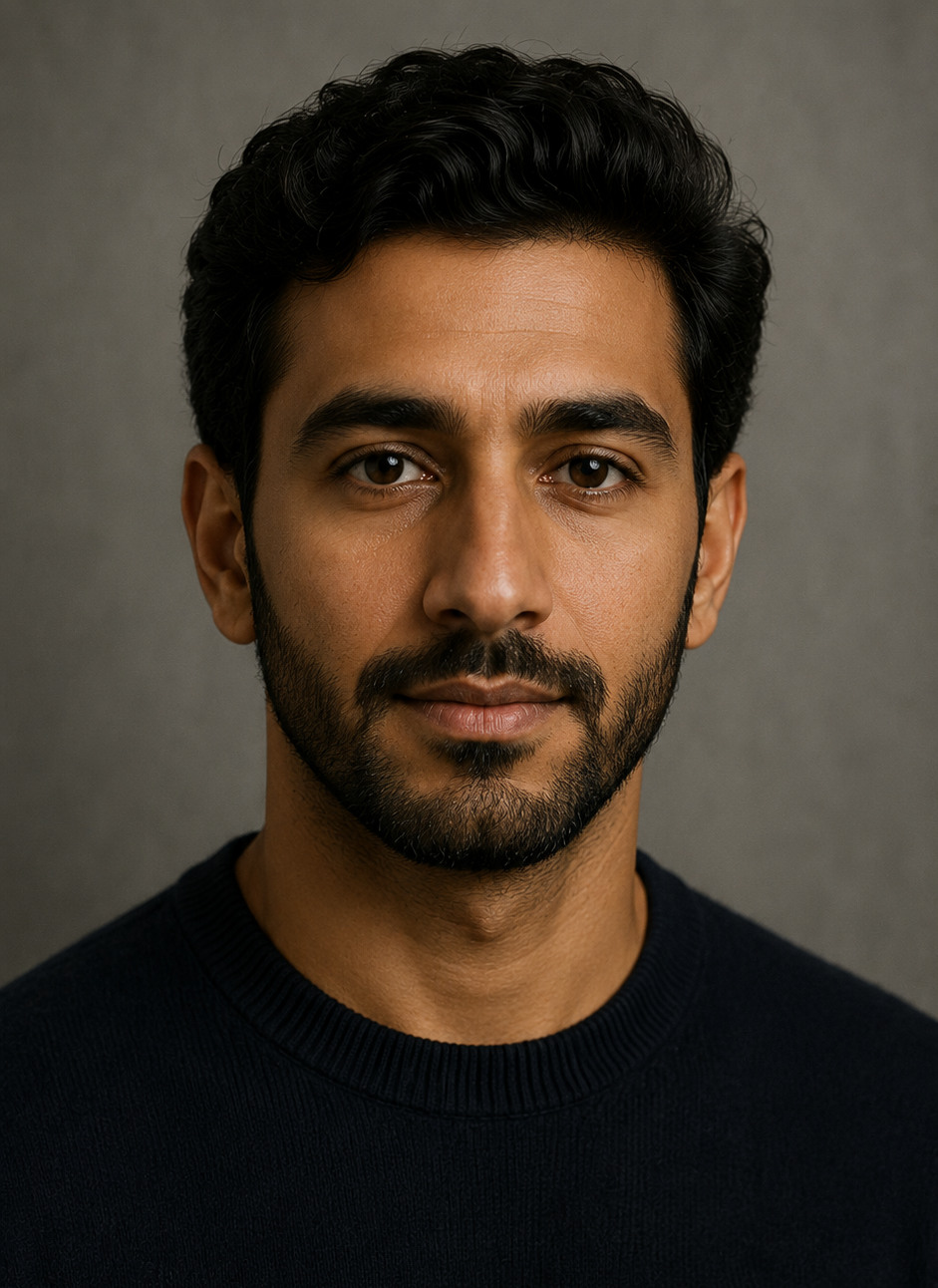
Written by
Khalid Al-Rashidi
Gulf & Middle East Correspondent · Emerging & Strategic Wealth
Khalid covers the family offices, luxury operators, and strategic capital moving across the GCC and wider Arab world — often before the rest of the region notices. He's spent years tracking how Gulf wealth structures itself for the next generation, from residency programmes to private aviation. Based between Dubai and Riyadh. Reach out at khalid.al-rashidi@theplatinumcapital.com.