

Private Banks Serving Gulf Ultra-High-Net-Worth Clients
In the Gulf's rarified wealth management landscape, private banks are no longer merely custodians of capital but architects of multi-generational legacy, deploying bespoke strategies that blend Sharia-compliant structuring, alternative asset exposure, and discreet cross-border estate planning tailored to the singular complexities of ultra-high-net-worth families across the GCC. As sovereign wealth deepens and family office sophistication accelerates, the institutions commanding loyalty in this market are those offering not products, but privileged access — to deals, to jurisdictions, and to a calibre of advisory counsel that remains entirely invisible to the broader financial world.…

When a Dubai-based family office principal recently closed a nine-figure real estate transaction through a private bank's structured finance desk — and in the same conversation asked his relationship manager to source a berth reservation at NEOM's forthcoming Sindalah Island marina — something important happened. Not a transaction. An architectural moment. The bank wasn't processing instructions. It was helping design a life. That distinction — between execution and elevation — is exactly what separates the institutions winning Gulf ultra-high-net-worth mandates in 2026 from those quietly losing them.
The Gulf Client Has Changed — And Private Banks Are Catching Up
The archetype of the Gulf UHNW client looks nothing like it did a decade ago. A relationship manager once handled a single patriarch's liquidity preferences and some offshore bond exposure. Today, that same mandate spans multiple generations, multiple jurisdictions, and asset classes that didn't exist fifteen years ago. Saudi Vision 2030, the UAE's Golden Visa architecture, and Bahrain's financial hub ambitions have collectively produced a new cohort of wealth: younger, internationally educated, asset-diversified, and far less tolerant of institutional inertia. That is a significant shift.
Private banks that recognised it early — Julius Baer, Lombard Odier, and the private wealth divisions of HSBC and Standard Chartered among them — have restructured their Gulf coverage models accordingly. They embed relationship managers with genuine regional fluency rather than rotating generalists through Dubai on two-year postings. The ones that haven't made that investment are feeling it.
The numbers justify the strategic attention. Dubai alone recorded 500 residential transactions exceeding $10 million in 2025, up from just 113 in 2021. Prime residential prices rose 25.1% over the past year and an extraordinary 193.9% over five years. Arabian Acres' March 2026 closure of a Dh400 million Jumeirah beachfront land deal — acting as exclusive broker for both sides — illustrated how rapidly Gulf real estate has become a primary wealth concentration event, generating liquidity moments that private banks now capture through structured lending, SPV formation, and estate planning mandates.
Real Assets, Real Complexity — and the Banks Equipped to Handle Both
Gulf family offices are no longer simply allocating to property and equities. They are acquiring beachfront land for sub-ten-unit bespoke developments intended for direct private placement. They are commissioning customised Gulfstream G700s — the aircraft that dominated conversation at Singapore Airshow 2026 with its grand suite bedroom, in-flight shower, and sleeping capacity for thirteen. They are positioning for early access to infrastructure-adjacent opportunities like Sindalah Island's 86-berth superyacht marina, where berth acquisition rights are already circulating through quiet networks ahead of the island's targeted late 2026 opening. The balance sheet of a serious Gulf family office now demands genuine multi-asset fluency from any banking partner that wants to stay in the room.
The banks serving these clients effectively have built real product depth around secured lending against non-standard collateral — aircraft, yachts, art, development land. Pictet, which has deepened its Middle East coverage from its Geneva base, and EFG International, operating directly out of Dubai, have both invested in credit structuring capabilities that allow UHNW clients to leverage illiquid trophy assets without triggering unnecessary disposal events. The sophistication involved should not be underestimated. A $60 million Gulfstream acquisition structured through an aviation SPV with a Cayman holding layer, financed partially by an art-backed facility, reviewed by a Riyadh-compliant Islamic finance desk — that requires institutional architecture most retail private banking models simply cannot provide.
Saudi Arabia's Transformation and the New Mandate Battleground
Dubai has been the established arena for Gulf private banking mandates. Riyadh is rapidly becoming the frontier. The acceleration of Saudi Vision 2030 has produced both newly liquid entrepreneurs — through Tadawul IPOs, privatisation transactions, and development contracts — and newly complex wealth management needs to match.
The NEOM project tells its own complicated story. March 2026's contract terminations — Webuild's $4.7 billion dam project cancelled, Hyundai's $1 billion tunnel contract for The Line pulled — generated headlines. But for private banks, the disruption is instructive rather than discouraging. Clients with exposure to NEOM-adjacent contracts suddenly needed sophisticated contingency planning, FX hedging across multiple delivery currencies, and in several cases urgent restructuring of project finance facilities. Banks with genuine Riyadh infrastructure — not just a representative office with a polished nameplate — earned mandates precisely by being present when complexity struck. The state's multi-generational capital commitment to NEOM itself remains intact. That matters.
Regional institutions are also asserting themselves with considerably more confidence than they were three years ago. Saudi National Bank's wealth division, FAB Private Banking in Abu Dhabi, and Qatar National Bank's private client arm are no longer simply capturing domestic liquidity by default. They compete actively on service depth, digital capability, and — this is the part Geneva-headquartered institutions should be watching closely — access to regional deal flow that international banks structurally struggle to match. A Saudi family office principal seeking co-investment access to a Riyadh mixed-use development, or a Bahraini UHNW client evaluating a stake in a Gulf-focused private equity fund, increasingly finds that regional institutions offer genuine first-mover access. International banks must now work harder to close that gap. Some are. Many aren't.
Discretion, Succession, and the Generational Wealth Transfer
The single largest structural driver of private banking mandates across the GCC over the next decade won't be new wealth creation. It will be intergenerational transfer. Gulf family businesses built across the oil boom cycles of the 1970s, 1980s, and 1990s are now moving from first to second and second to third generation stewardship. The stakes are considerable. Regional family office advisory estimates place the volume of family business wealth changing hands within the GCC at over $1 trillion across the next fifteen years. Few outside the region have fully absorbed that figure. They should.
Private banks being invited into those conversations share a common profile. They have built genuine expertise in governance structuring, family constitution frameworks, and cross-border trust architecture — with sensitivity to both Islamic inheritance principles and international tax efficiency. That combination is harder to assemble than it sounds, and the institutions that have done the work are earning access to relationships that will compound for decades.
The winners here won't be determined by AUM league tables or the prestige of a Geneva address. They will be determined by the depth of trust built across dining tables in Riyadh, during boat surveys in the Red Sea, and in discreet boardrooms inside Dubai's DIFC. Arabian Acres' landmark Jumeirah deal said it plainly: the Gulf's most consequential transactions still flow through relationships. The private banks that understand this — and build accordingly — are writing chapters that are only just beginning.
Written by
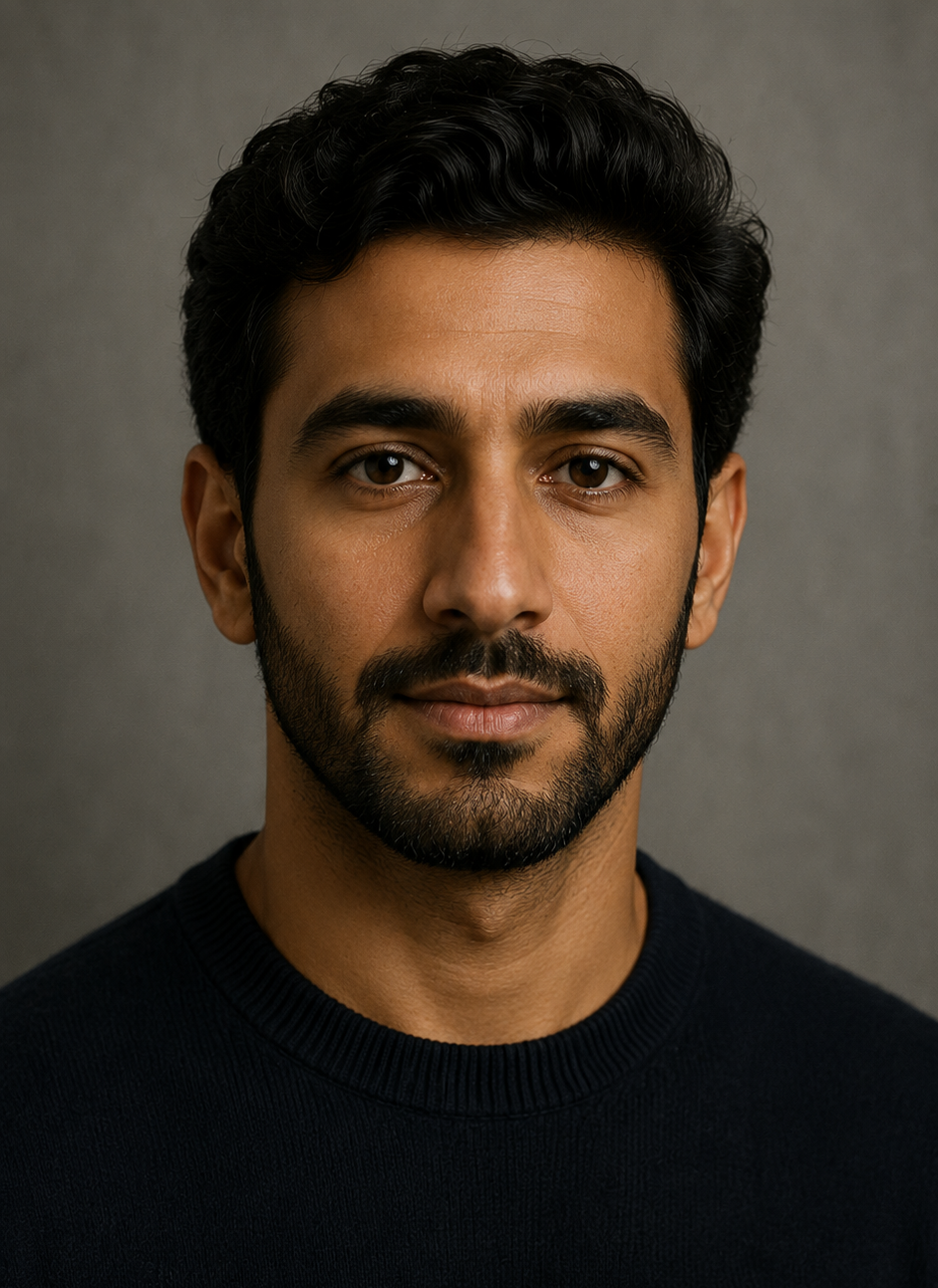
Khalid Al-Rashidi
Gulf & Middle East Correspondent · Emerging & Strategic Wealth
Khalid covers the family offices, luxury operators, and strategic capital moving across the GCC and wider Arab world — often before the rest of the region notices. He's spent years tracking how Gulf wealth structures itself for the next generation, from residency programmes to private aviation. Based between Dubai and Riyadh. Reach out at khalid.al-rashidi@theplatinumcapital.com.