

Private Residences and Branded Apartments: The Gulf's New Status Asset
The proliferation of branded residences across the Gulf has transformed luxury real estate from a mere property transaction into an exercise in identity curation, with developers attaching hospitality marques from Armani to Dorchester Collection to command premiums of 30 to 50 percent above comparable unbranded stock. For ultra-high-net-worth buyers in Dubai, Riyadh and Doha, these residences now function less as homes and more as portable status infrastructure, offering the assurance of global brand stewardship long after the keys have changed hands.…
The Address on the Door: Why Gulf Wealth Is Migrating Into Branded Walls
When a four-bedroom residence bearing the Bulgari name sold for AED 128 million ($34.8 million) on Dubai's Jumeira Bay Island in the first quarter of 2026, it barely registered as exceptional. The unit moved within eleven days of listing. Two floors above, an identical layout without the brand attachment had lingered on the market for nine weeks at AED 74 million. The premium — roughly 73 per cent — wasn't for square footage, a superior view, or structural distinction. It was for five letters embossed on a keycard.
Across the Gulf Cooperation Council states, branded residences have blown past niche curiosity to become the defining asset class for ultra-high-net-worth individuals chasing both prestige and portfolio insulation. The sector is expanding at a speed that would have seemed implausible a decade ago, driven by family offices rotating out of volatile equity positions, a fresh generation of Gulf inheritors with global taste, and a supply pipeline now stacked with some of the most recognised luxury houses on the planet.
A Market Rewriting Its Own Records
Knight Frank's 2026 Branded Residences Report, published in March, counts 74 branded residential schemes either completed or under construction across the GCC, up from 54 at the close of 2023. Dubai alone accounts for 41 of those projects, with Abu Dhabi contributing 12 and Riyadh — the fastest-growing entrant — adding eight since Saudi Arabia's branded residence pipeline effectively started from zero in 2021. Global supply now exceeds 730 schemes across 100 cities, but the Gulf commands a disproportionate 10 per cent of all projects while representing less than one per cent of the world's urban population. That is a significant imbalance.
Transaction-level data hits just as hard. Savills reported that average prices per square foot for branded residences in Dubai reached $1,420 in Q1 2026, compared with $810 for comparable non-branded luxury stock — a premium of 75 per cent that has widened from 31 per cent in 2020. In Riyadh, where Aman is developing its first Saudi residential project within the KAFD financial district, off-plan units released in January 2026 were fully reserved within 72 hours, priced at an estimated SAR 45,000 per square metre ($12,000 per square foot). That set a new ceiling for the Saudi capital.
The Operators Behind the Doors
What separates this cycle from earlier ones is the calibre and diversity of brand partners flooding into the Gulf market. The traditional hotel-operator model — Four Seasons, Ritz-Carlton, St. Regis — still dominates. But 2025 and 2026 have brought fashion houses, automotive marques, and design studios into direct residential development.
Armani Group, which pioneered the concept in Downtown Dubai in 2010, is now developing a second Dubai project in partnership with Arada on the Aljada masterplan in Sharjah, targeting a mid-2027 completion. Porsche Design Tower, following its Miami precedent, broke ground in Dubai's Business Bay in late 2025 with 60 floors of residences featuring vehicle lifts to individual apartment garages. Mercedes-Benz has partnered with Binghatti for a 65-storey tower on Sheikh Zayed Road, where two-bedroom units listed from AED 3.2 million at launch in 2024 are now reselling above AED 5 million on the secondary market. That kind of capital appreciation turns heads.
Perhaps most telling is Dar Global's aggressive expansion. The London-listed, Saudi-founded developer has committed to branded partnerships with Missoni, Pagani, and The Trump Organization across its Gulf and Mediterranean portfolio. Its 2025 annual results, released in February 2026, showed revenue of $620 million — a 38 per cent year-on-year increase — with branded units contributing 71 per cent of total sales. Chief executive Ziad El Chaar put it bluntly: the branded segment is "no longer a vertical within our business; it is the business."
Family Offices and the Logic of Tangible Prestige
The demand architecture behind this expansion is changing. Branded residences once attracted primarily end-users — wealthy individuals after a turnkey lifestyle. The buyer profile in 2026 looks different. It increasingly includes family offices and multi-generational wealth vehicles treating these units as structured assets.
A survey conducted by Henley & Partners, published in its Gulf Wealth Migration Review for Q1 2026, found that 43 per cent of single-family offices based in the GCC now hold direct real estate allocations exceeding 25 per cent of total assets under management, up from 29 per cent in 2022. Among those offices, branded residences represent the fastest-growing sub-allocation, favoured for their rental yield resilience, their liquidity relative to bespoke trophy homes, and their utility as residency-linked assets in jurisdictions offering golden visa programmes.
The United Arab Emirates' ten-year golden visa, available to property investors committing AED 2 million or more, has created a structural incentive. Branded units frequently exceed this threshold in a single transaction, simplifying the residency calculus for families from Egypt, India, Pakistan, and increasingly sub-Saharan Africa. Few outside the region have noticed just how fast African capital is arriving. Data from the Dubai Land Department shows that investors from Nigeria, Kenya, and Ethiopia collectively purchased AED 2.1 billion of Dubai residential property in 2025, with branded developments accounting for a significant share of transactions above AED 5 million.
Supply Risk and the Question of Saturation
Not every observer views the pipeline with uncritical enthusiasm. JLL's head of residential research for MENA, Faisal Durrani, has warned that Dubai's branded supply could outpace demand if more than 15,000 branded units land simultaneously, as current projections suggest between 2027 and 2029. The risk isn't a collapse in prices but a compression of the brand premium itself — the very margin that justifies the developer's licensing fees, typically between three and six per cent of revenue, paid to the brand partner.
Then there's the matter of operational substance. A residence carrying a luxury hotel brand typically comes with guaranteed service standards: concierge, housekeeping, maintenance, and access to hotel amenities. A residence branded by an automotive or fashion house may offer aesthetic coherence and curated interiors but lacks the hospitality infrastructure. Whether buyers will keep paying equivalent premiums for a logo without a service ecosystem remains an open question as the market matures. It should be the first question any buyer asks.
The Gulf as Global Laboratory
What nobody disputes is the Gulf's role as the world's most concentrated testing ground for branded living. Riyadh's ambitions under Vision 2030 will inject further velocity; the Royal Commission for Riyadh City has approved masterplans along the Diriyah Gate and King Salman Park corridors that explicitly reserve plots for branded operators. Abu Dhabi's Saadiyat Island, already home to Armani, Nobu, and The St. Regis, is reportedly in advanced discussions with two European haute couture houses for residential projects adjacent to the cultural district.
For the region's wealthy, the calculus is straightforward. Equities remain volatile. Fixed income offers limited appeal in a low-yield environment. Art and collectibles lack liquidity. A branded residence, by contrast, delivers a usable asset, a potential income stream, a residency pathway, and a social signal — all housed within a single transaction. It is, in the most literal sense, wealth you can inhabit. And in the Gulf of 2026, inhabiting the right address has become as consequential as any position in a portfolio.
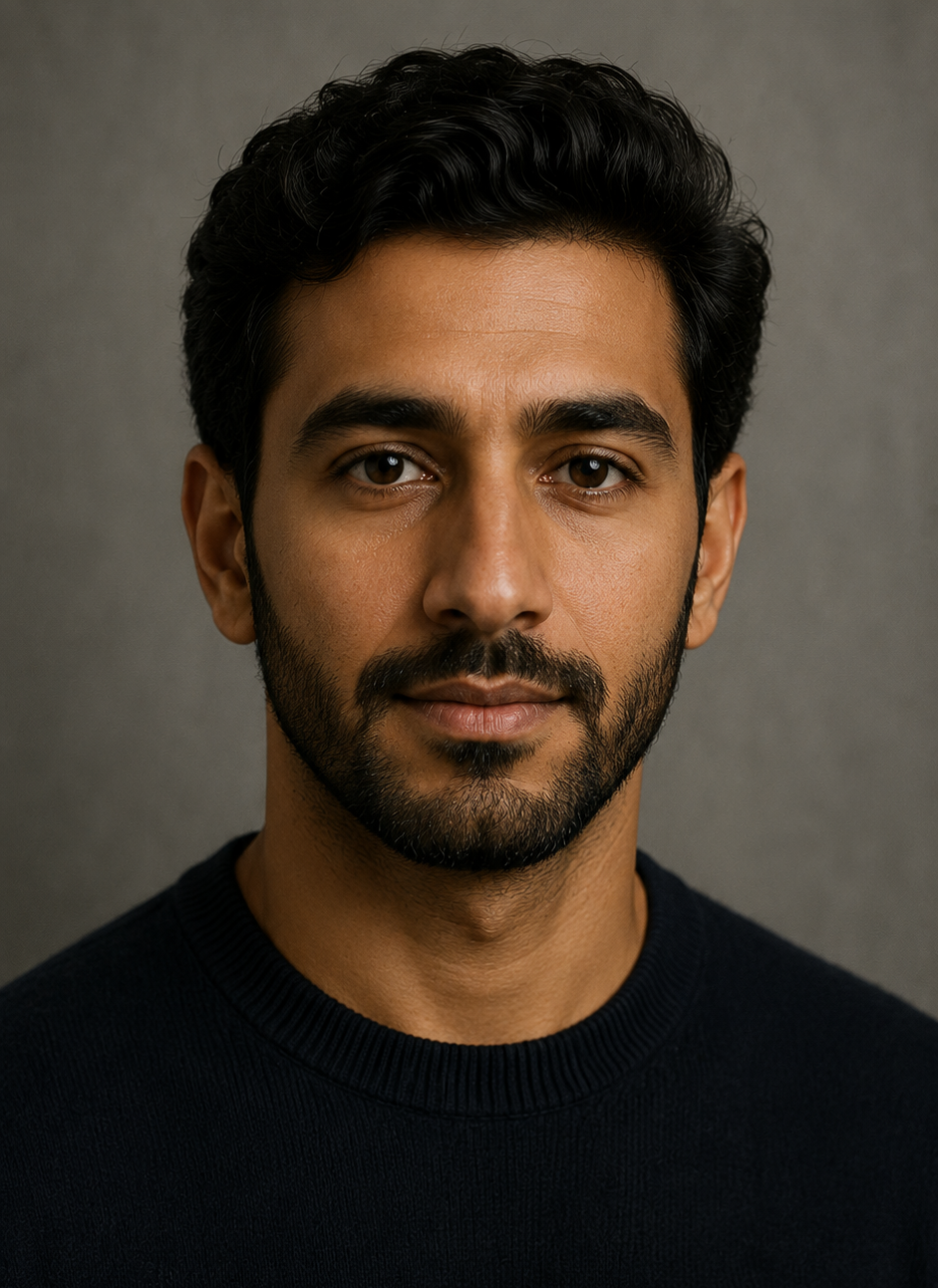
Written by
Khalid Al-Rashidi
Gulf & Middle East Correspondent · Emerging & Strategic Wealth
Khalid covers the family offices, luxury operators, and strategic capital moving across the GCC and wider Arab world — often before the rest of the region notices. He's spent years tracking how Gulf wealth structures itself for the next generation, from residency programmes to private aviation. Based between Dubai and Riyadh. Reach out at khalid.al-rashidi@theplatinumcapital.com.