

Southeast Asia's Quiet Philanthropists: Wealth With Conscience
Across Southeast Asia's most discreet boardrooms, a sophisticated generation of ultra-high-net-worth families is quietly redirecting capital not merely toward charitable gestures, but toward structurally transformative initiatives that rival the ambition of sovereign development mandates. For family offices and institutional investors navigating the region's evolving wealth landscape, understanding the philanthropic architectures these principals are building has become as strategically consequential as tracking their investment portfolios.…
Across Southeast Asia, a new generation of wealthy families is reshaping what it means to hold capital with purpose. They are not hosting galas or issuing press releases. They are committing to African SME credit funds, co-investing in climate infrastructure, and quietly embedding philanthropic mandates into the structural DNA of their family offices. The shift is deliberate, strategic, and increasingly difficult for the broader wealth management world to ignore.
From Charity to Architecture
Southeast Asia's wealthiest families have always given. Buddhist obligation, Confucian duty, Islamic tradition — the instinct to redistribute wealth runs deep across the region's cultures. But instinct is not strategy. What is emerging now is something more engineered. Family offices across the region are building what wealth advisors call "impact architecture": formal frameworks that bind grant-making, concessional lending, and impact investment into a single, coordinated structure. This is philanthropy designed to outlast the founder, not merely to respond to the moment.
The data is beginning to confirm what advisors have been observing on the ground. The UBS Global Family Office Report 2026 — released in Dubai in June, drawing from 307 family offices across more than 30 markets — found that family offices in Southeast Asia and the Middle East rank among the most active in reallocating capital toward resilience-focused and impact-aligned mandates. That is a significant shift. Sustainable and impact investing, across both regions, has stopped functioning as a values statement. Offices are now stress-testing it for risk-adjusted return the same way they would any other asset class.
Singapore as the Quiet Capital of Conscience
Singapore did not become the operational centre of gravity for this movement by accident. Regulatory clarity, tax neutrality, and proximity to capital-hungry markets across Indonesia, the Philippines, Vietnam, and beyond have made it the preferred domicile for family offices managing between USD 50 million and USD 500 million. That is precisely the cohort where philanthropic intent and investment sophistication overlap most productively. Few cities in the world can say the same.
The Tsao Family Office — established by the family behind maritime company Tsao Pao Chee Group — offers one of the most instructive recent examples. In March 2026, the office confirmed its commitment to TLG Capital's second Africa Growth Impact Fund, which reached a USD 75 million first close in April against a USD 200 million target. The fund deploys longer-term US dollar loans to SMEs across Africa through local banking partnerships, with 100 per cent guarantee structures protecting original loan capital. Leslie Lim, who leads fixed-income strategy at Tsao, has been direct: the office wants to demonstrate to other Asian family offices that impact and financial returns are not in tension. That signal matters. A credible, discreet Singapore family with a multi-generational maritime pedigree carries real weight in a region where peer influence governs capital allocation decisions as reliably as any prospectus.
Climate Capital and the Gulf Connection
Southeast Asia's quiet philanthropists are watching the Gulf. More importantly, they are starting to move alongside it.
The UAE's Altérra, the USD 30 billion climate fund chaired by Dr. Sultan Al Jaber, Minister of Industry and Advanced Technology, announced a USD 1.2 billion co-investment vehicle in January 2026 with a USD 250 million contribution from BBVA. By April 2026, Altérra had committed to KKR & Co.'s global climate transition fund, adding to existing positions alongside BlackRock, Brookfield Asset Management, and TPG. The numbers tell a complicated story — sovereign capital anchoring private market vehicles at scale, with institutional co-investors lining up behind it.
Family offices in Jakarta, Kuala Lumpur, Manila, and Ho Chi Minh City have historically under-allocated to climate infrastructure. That is changing. Several Singapore-based multi-family offices with Southeast Asian principals have begun exploring co-investment access to climate-aligned private credit strategies — positioning themselves alongside the institutional wave rather than waiting for it to pass. Altérra's trajectory has shown them what is possible when sovereign-backed climate capital sets the anchor.
Giving Structures That Outlast the Founder
What separates the region's most thoughtful philanthropists from their peers is a preoccupation with durability. Families in Indonesia and Malaysia have begun converting informal charitable activity into properly constituted foundations — independent boards, written investment policies, five-year grant-making strategies. In the Philippines, several prominent business families with interests spanning real estate, financial services, and logistics have, in the past 18 months, formalised philanthropic vehicles sitting inside broader family office structures. Giving is now governed with the same rigour as the investment portfolio beside it.
Thailand is a case worth studying closely. Buddhist philanthropic culture has always run deep in Thai business families. But the emerging generation — educated in the United Kingdom, the United States, or Australia, and fluent in ESG frameworks — is actively pushing to professionalise giving structures that were previously informal and personality-driven. The result is a cohort of next-generation principals simultaneously managing inheritance, overhauling family governance, and institutionalising philanthropy. That is a demanding set of responsibilities to carry at once. The families handling it best are those who brought in external advisors — private banks, impact investment specialists, family governance consultants — early, before the complexity compounded.
What Comes Next
Southeast Asia's quiet philanthropists are approaching a threshold. As regional impact investment dealflow deepens — through Africa-facing vehicles like TLG Capital's fund and climate infrastructure co-investments anchored by Gulf institutions — Southeast Asian family offices will increasingly find themselves as LP stakeholders in strategies that carry both financial and reputational weight. That positioning will demand a more visible public posture, even from families that have long preferred anonymity.
The near-term priority is not complicated, even if execution is. Build structures now that can absorb larger commitments. Articulate measurable impact frameworks before co-investors ask for them. Attract partners who share both a return expectation and a values alignment — because the two are no longer separable in the strategies that matter most. The families that move with intention through 2026 and 2027 will not just deploy capital more effectively. They will set the philanthropic standard that the rest of the region eventually follows. In a part of the world where legacy is measured in decades rather than quarters, that is no small ambition.
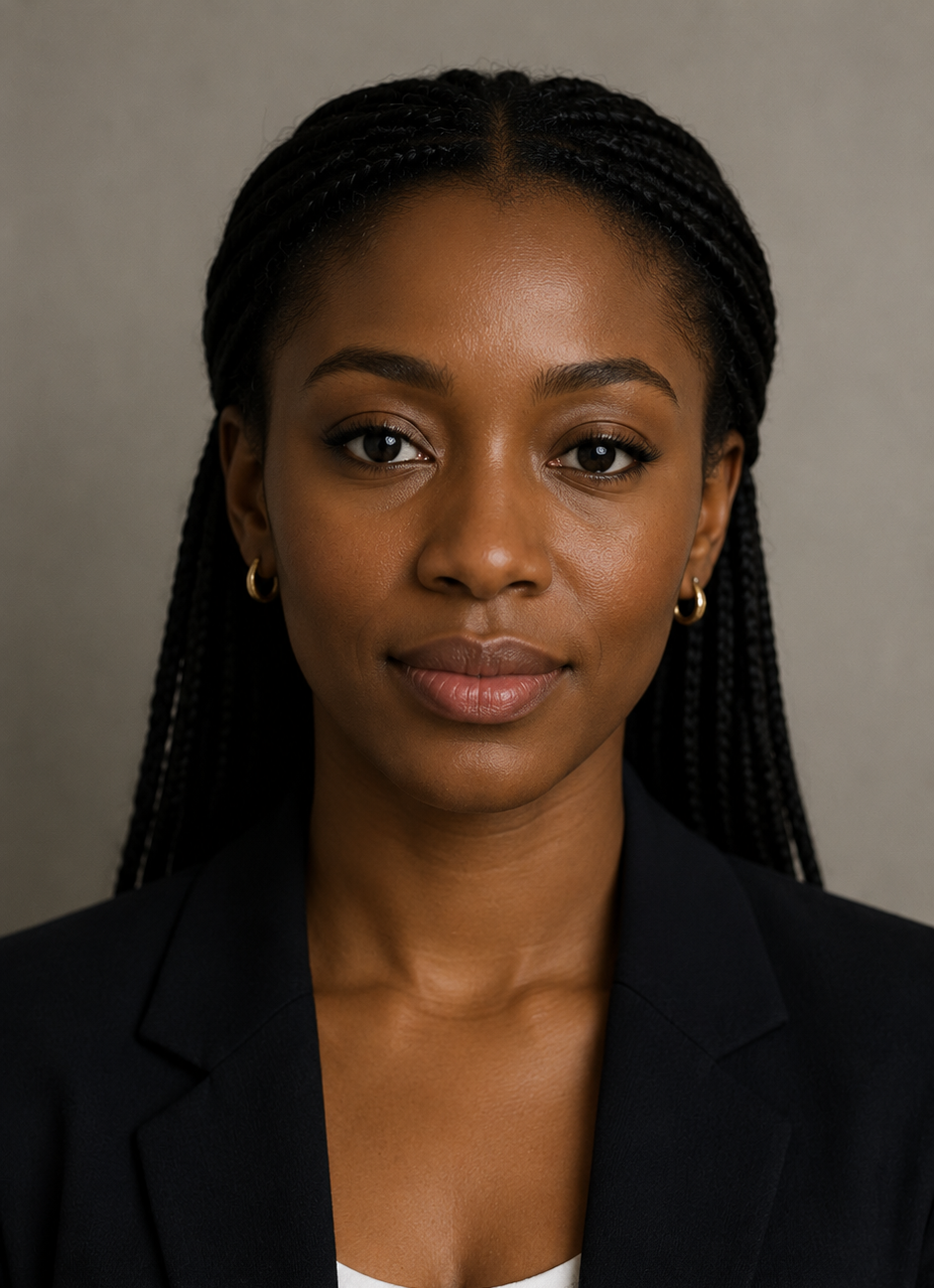
Written by
Amara Osei
Africa & Emerging Markets Correspondent · Philanthropy & Next Generation
Amara covers the philanthropists, foundation founders, and next-generation leaders building wealth and influence across Africa, Southeast Asia, and Central Asia. She has a particular eye for the family businesses handing the reins to a generation educated abroad and building at home. Based in Nairobi. Reach out at amara.osei@theplatinumcapital.com.