
UAE as the World's Family Office Hub: What Is Driving the Move
As sovereign wealth gravitates toward jurisdictions that offer both regulatory sophistication and geopolitical neutrality, the UAE has emerged not merely as a destination of convenience but as the defining architecture of 21st-century private capital stewardship. From the zero-tax frameworks of Abu Dhabi Global Market to Dubai's expanding network of bilateral investment treaties, the emirate is engineering the precise conditions that compel dynastic wealth to plant permanent roots rather than passing through.…
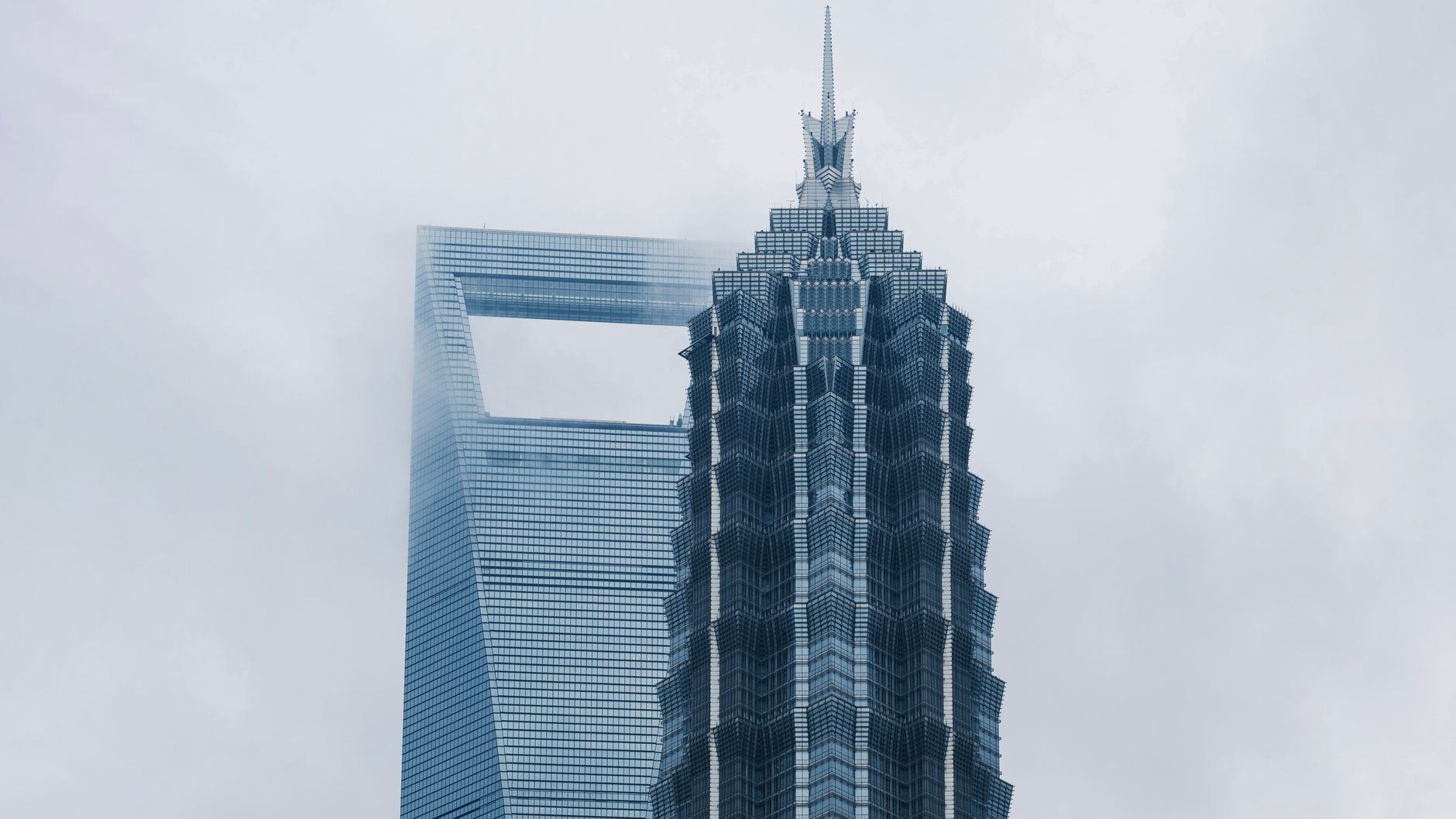
Something structural is happening in private wealth — and Dubai is at the centre of it. Across the Gulf, Central Asia, Africa, and Southeast Asia, UHNW families are making a deliberate, largely irreversible decision: to anchor their global wealth structures in the UAE. Tax efficiency is part of it. So is lifestyle. But neither explains what is really happening here. This is a calculated repositioning of generational capital, shaped by geopolitical instability in traditional wealth centres, regulatory modernisation across the Gulf, and a fundamental shift in where the world's most significant private fortunes are now being built, managed, and handed down.
The Numbers Behind Dubai's Dominance
The Dubai International Financial Centre now hosts more than 1,289 family-related entities — part of an ecosystem the DIFC describes as a gateway to private wealth across the Middle East, Africa, and South Asia, a region historically underserved by conventional Western financial infrastructure. The numbers are striking. Estimates place private wealth under management within DIFC's family wealth ecosystem at $87 trillion in connected global assets. That figure reflects not just resident capital but the extraordinary web of cross-border relationships Dubai has quietly assembled over the past decade.
This year's Henley & Partners Global Residence Program Index placed the UAE in joint second position — alongside Italy and Switzerland — with a score of 72. Fifteen years ago, that placement would have been unthinkable. Switzerland built its position over centuries. The UAE built its in a generation. That velocity of institutional credibility sends its own signal to private wealth: this is a jurisdiction that executes. For families moving capital from Karachi, Lagos, Almaty, or Jakarta, the message lands clearly — the infrastructure exists, the legal frameworks are serious, and the access to global markets is real.
The Hub-and-Spoke Model Reshaping Family Office Architecture
The most sophisticated UHNW families are not simply opening a Dubai office. They are wholesale restructuring how private wealth gets governed across borders. Practitioners increasingly call it the "hub-and-spoke" model: a centralised family office domiciled in DIFC or ADGM anchors the primary governance, investment, and compliance functions, while complementary structures in Jersey, Singapore, and Switzerland handle specific mandates — estate planning, alternative investments, offshore liquidity management. Each spoke serves a purpose. The hub holds the strategy.
Alessandro Belluzzo, barrister and founding partner at Belluzzo International Partners in Abu Dhabi, has described the current moment as one of rapid expansion, with top-tier firms from Europe, India, and beyond establishing serious operations across Abu Dhabi, Dubai, and increasingly Riyadh. What Belluzzo and his peers are watching mirrors what happened in Geneva in the 1980s and Singapore in the early 2000s — except faster, and with a far more diverse client base. Families from Sub-Saharan Africa, South and Southeast Asia, and post-Soviet Central Asia are not merely parking assets in the UAE. They are building permanent institutional structures here. That is a meaningful distinction.
Saudi Arabia's Family Offices Come of Age
Dubai has led the structural shift. But the Saudi story is equally consequential — and far less told.
Saudi family offices were once deliberately informal, running through trusted advisors and discreet holding structures rather than anything resembling an institutionalised platform. That is changing fast. They are becoming active investment entities, deploying capital across private equity, venture capital, infrastructure, and international public markets. The shift is partly generational — next-generation principals educated abroad, fluent in institutional investment frameworks, unwilling to manage wealth the way their fathers did. But it is also structural, shaped directly by the Kingdom's Vision 2030 ambitions.
Bloomberg reported in 2026 that the Public Investment Fund — which manages assets exceeding $1 trillion — approached a number of Saudi Arabia's wealthiest families, encouraging greater domestic co-investment as the sovereign wealth fund reassesses several flagship mega-projects. The PIF is managing real fiscal pressure: a persistent budget deficit, subdued oil revenues through much of 2025, and an $8 billion writedown on gigaproject investments announced last year. Against that backdrop, mobilising private Saudi capital alongside state investment is not incidental. It is deliberate policy. For the Kingdom's family offices, it represents both an obligation and an opening — a chance to participate in the domestic economy at scale while simultaneously building the governance and investment capacity to compete internationally.
That appetite for serious dialogue was on display at "Investing Is a Sea," the exclusive summit hosted by The Family Office — one of the Gulf's most respected wealth management firms — on Shura Island along Saudi Arabia's Red Sea coast from January 29 to 31. Saudi Energy Minister Prince Abdulaziz bin Salman delivered the keynote. His presence underlined how closely private family wealth and state strategic vision now align inside the Kingdom. These are not parallel conversations anymore. They are the same conversation.
What Is Attracting Capital From Beyond the Gulf
The UAE's pull extends well beyond Arab or Gulf families. Wealth managers operating in Nairobi, Lagos, Almaty, Ho Chi Minh City, and Dhaka report consistent demand from clients who have outgrown their domestic financial systems and need a regulated, internationally credible base for global capital deployment. Few outside those markets have paid close attention to this flow. They should.
For African families managing generational wealth across multiple jurisdictions — often complicated by currency controls, thin local capital markets, and succession law uncertainty — the combination of DIFC's English common law framework, zero personal income tax, and proximity to Gulf investment networks is genuinely compelling. The alternatives simply do not stack up the same way.
For Central Asian families, particularly from Kazakhstan and Uzbekistan, domestic wealth management infrastructure remains nascent and political risk stays on the table. The UAE offers neutral ground. Close enough to Gulf sovereign wealth relationships to open doors. Structured enough to satisfy international compliance requirements. The same logic is pulling families from Southeast Asia, where Singapore has long been the default. The UAE now represents a credible second anchor — particularly for those with significant Middle Eastern business exposure. Singapore and Dubai are not competitors for these families. They are complementary.
What Comes Next for the Private Wealth Architecture of the Gulf
The next phase of the UAE's evolution as a family office hub will be decided less by tax policy and more by depth of talent, quality of deal flow, and inter-generational governance capacity. The numbers tell a complicated story on their own. What they cannot fully capture is ecosystem — and that is precisely what families and institutions arriving in 2026 are actually buying.
They want co-investment opportunities alongside sovereign wealth funds. They want exposure to regional private equity deal flow. They want a peer community that shares both the complexity of cross-border wealth and the ambitions of a genuinely global class of principals. For the first time in its short financial history, the UAE is positioned to deliver all three. The strategic question for family offices and their advisors is no longer whether to be here. It is how fast to build — and how deep to commit.
Written by
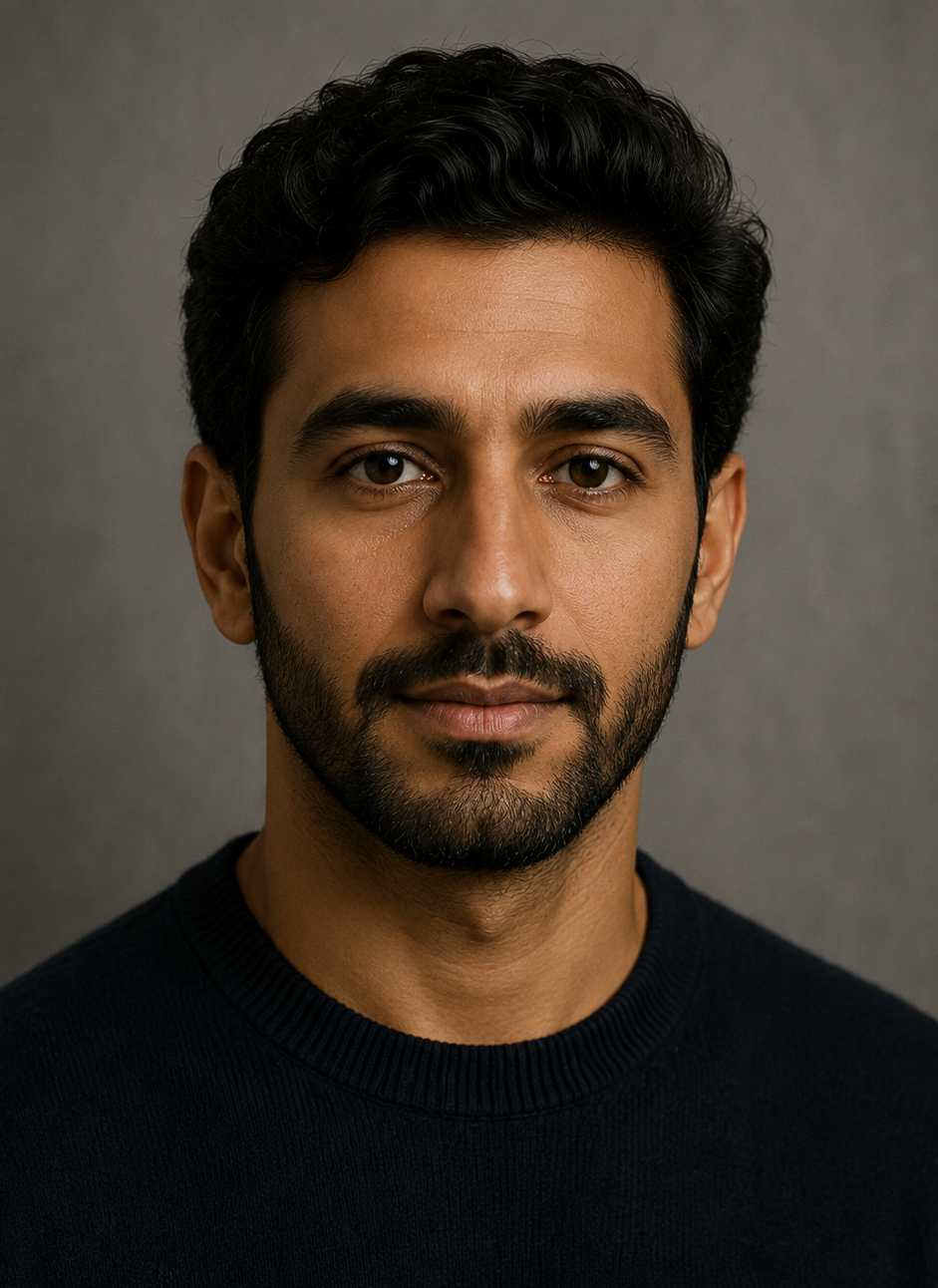
Khalid Al-Rashidi
Gulf & Middle East Correspondent · Emerging & Strategic Wealth
Khalid covers the family offices, luxury operators, and strategic capital moving across the GCC and wider Arab world — often before the rest of the region notices. He's spent years tracking how Gulf wealth structures itself for the next generation, from residency programmes to private aviation. Based between Dubai and Riyadh. Reach out at khalid.al-rashidi@theplatinumcapital.com.