Gulf Bond Issuance: Sovereigns, Banks, and Corporates in 2026
As Gulf sovereigns recalibrate their fiscal strategies amid evolving oil revenue dynamics, the region's bond markets are entering a pivotal cycle defined by sophisticated debt structuring, tighter credit differentiation, and a sharper institutional appetite for both conventional and sukuk instruments. From Riyadh to Abu Dhabi, the convergence of bank capital issuance and corporate debut offerings is reshaping the regional yield landscape in ways that demand serious attention from globally positioned portfolios in 2026.…
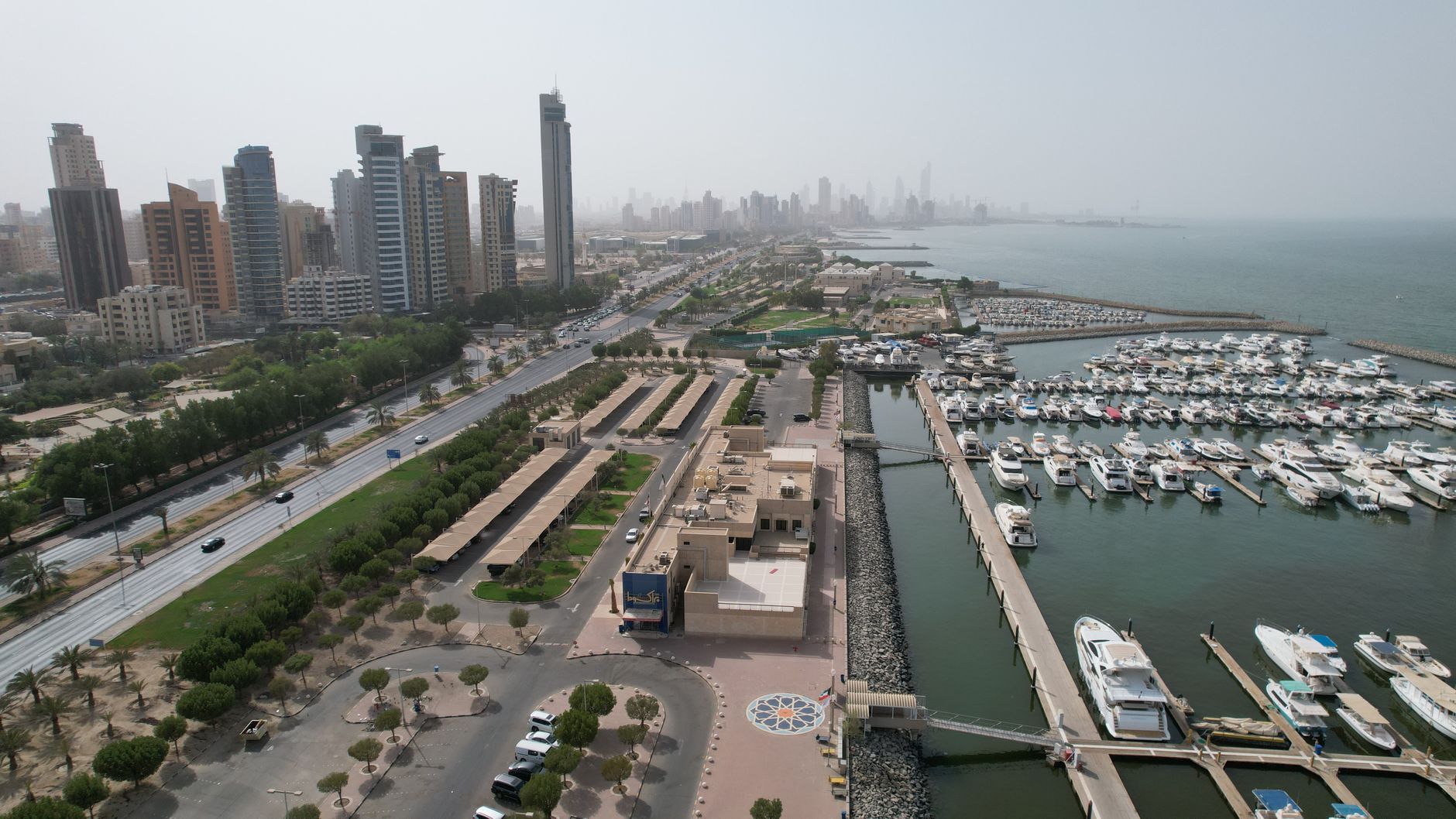
Gulf fixed income is having a complicated year. The U.S.-Iran conflict that erupted in early 2026 compressed regional risk appetite, pushed sovereign spreads wider, and stalled equity pipelines that had taken years to build. And yet something more durable is becoming visible beneath the disruption. GCC bond and sukuk markets have not merely survived the turbulence — in several cases, they have accelerated. Sovereigns are locking in funding before conditions deteriorate further. Banks are capitalising on structural demand from global fixed income allocators. Corporates are beginning to test whether investor conviction has returned. The answer, increasingly, is yes — but with conditions attached.
Sovereigns Front-Load Issuance as the Geopolitical Clock Ticks
Saudi Arabia, Abu Dhabi, and Qatar all entered 2026 with well-advanced funding programmes. The Iran conflict gave each of them a sharp reason to accelerate rather than defer. Saudi Arabia's sovereign issuance has held up despite the regional shock, with the Kingdom continuing to issue both conventional bonds and sukuk across short and long maturities. International investors have treated Saudi paper less as a geopolitical risk trade and more as a proxy on Vision 2030 execution — a subtle but meaningful distinction. The Saudi government's outstanding international bond stock now exceeds USD 130 billion. The 2026 programme has leaned into longer-dated issuance — ten and thirty-year tenors — as the debt management office works to extend the average maturity of the sovereign's external liabilities. That is a deliberate, structural shift, not opportunistic window-dressing.
Abu Dhabi has been notably active at the investment-grade end. Order books on select tranches have run at four to five times coverage on roadshows — a persistent signal of structural shortage in high-quality, dollar-denominated Gulf paper rather than any particular moment of enthusiasm. Bahrain remains the region's most closely watched credit. The Kingdom priced a USD 2 billion dual-tranche deal in the first half of 2026, and while spreads stayed elevated relative to Gulf peers, the transaction closed. That matters. It tells you investors will hold Bahraini risk at the right price, particularly when GCC solidarity mechanisms — quiet but operative — remain in the background.
GCC Banks: Tier 1 Capital and the Global Investor Bid
Bank issuance has been one of the standout stories of Gulf fixed income this year. Saudi Arabia's major lenders — Al Rajhi Bank, Saudi National Bank, and Riyad Bank — have all tapped international markets in 2026, primarily through Additional Tier 1 sukuk. The demand has been broad: regional private banks alongside international emerging market fund managers who have grown wary of comparable instruments from Western institutions following the volatility of 2023 and 2024. Gulf AT1 sukuk have quietly become a preferred instrument for yield-seeking allocators in Europe and Asia. Few outside the region have fully registered that shift. They should.
Emirates NBD and First Abu Dhabi Bank have maintained their pattern of regular benchmark issuance. FAB priced a USD 750 million green bond in the first quarter of 2026 — one of several ESG-linked instruments from Gulf financial institutions that have pulled capital from European sustainability mandates. The numbers tell a complicated story here. Cumulative ESG sukuk and bond issuance across the GCC has now exceeded USD 40 billion, and appetite shows no sign of plateauing. For family offices and private investors allocating to fixed income, GCC bank paper in the three-to-five year maturity range continues to offer a yield premium of 80 to 120 basis points over comparable Western investment-grade bank bonds — with credit profiles that many analysts regard as equally sound.
Corporate Issuance: Selective but Significant
The Gulf corporate debt market is maturing. Slowly, selectively, but genuinely. The companies that have successfully issued in 2026 share recognisable characteristics: strong sovereign linkage, visible cash flows, and names that carry weight with international investors who may not follow GCC credits closely. NEOM-linked entities, Saudi Aramco subsidiaries, and Abu Dhabi's strategic industrial companies have all found receptive markets. Mid-market corporates — the businesses that form the backbone of Saudi Arabia's private sector diversification agenda — face a harder road. Investors are demanding clearer financial disclosure and more conservative leverage metrics than pre-2024 standards permitted. The bar has moved.
The connection between equity and debt markets is more direct than it appears. The 73 IPOs queued in the GCC pipeline — as documented by Kamco Invest — are not simply equity stories. Many of these companies, once listed, become eligible for inclusion in regional fixed income indices if they subsequently issue bonds or sukuk. Mutlaq Al-Ghowairi Contracting Company's planned IPO, targeting a raise of between SAR 2.6 billion and SAR 3 billion on the Saudi Exchange, illustrates the point precisely. MGC's profile — a major contractor with long-term government project exposure — is exactly the type of credit that regional bond markets have historically underrepresented and international investors have consistently demanded. A listing changes the equation.
The Iran Conflict Variable and Its Lasting Market Imprint
There is no honest account of Gulf capital markets in 2026 that sidesteps the conflict variable. The U.S.-Iran confrontation disrupted regional trade flows, introduced a meaningful risk premium into Gulf energy pricing, and effectively froze portions of the GCC's equity issuance calendar for weeks. Then came Dar AlBalad for Business Solutions — the Saudi IT services provider whose IPO was the first planned public share sale in the GCC after hostilities began. Its retail tranche closed 376% oversubscribed. That figure says less about Dar AlBalad specifically and everything about the pent-up demand that had accumulated during the pause. Both Dar AlBalad and mining company Saleh Abdulaziz Al Rashed & Sons have traded above their IPO prices since listing. The broader pipeline noticed.
Bond markets experienced a bifurcated dynamic. Short-dated Gulf sovereign paper benefited from a flight-to-quality trade within the region itself, as local investors cut equity exposure and rotated into investment-grade fixed income. Longer-dated paper faced spread widening of 30 to 50 basis points at the peak of tensions before partially recovering. The compression since then has been real, but incomplete. Markets are pricing continued uncertainty, not resolved risk. That distinction carries weight for anyone positioning a portfolio today.
What This Means for Private Capital Allocators
For family offices, private banks, and sophisticated investors who form the core of Gulf wealth management, 2026 presents a fixed income opportunity set that rewards precision over conviction alone. The structural case for GCC sovereign and quasi-sovereign bonds remains intact: strong reserve positions, active debt management offices, and a broadening investor base that now includes significant demand from Central Asian sovereign wealth vehicles and Southeast Asian insurance companies seeking dollar-denominated yield. Saudi Arabia's sukuk market has deepened in ways that make it increasingly functional as a core portfolio allocation rather than a satellite position. That is not a small development.
The sharper opportunity, though, may sit in corporate credits that emerge from the current IPO wave with investment-grade profiles and genuine earnings visibility. Hamza Girach and the Kamco Invest research team have been explicit about the execution dependencies — post-summer market conditions, valuation discipline, and earnings clarity will determine whether the queued pipeline converts into priced deals. Those that do will, over time, build the balance sheets and reputational track records that open bond market access. For investors willing to engage early and at scale, the cost of that conviction is currently being priced in. That window does not stay open indefinitely.
Written by
Charlotte Reeve
Senior correspondent · Capital Markets & Fintech
Charlotte cut her teeth on an equities desk before moving to the other side of the notebook. She covers capital markets, stock exchanges, and the fintech operators trying to disintermediate the banks that trained her. Sharpest on market microstructure and payments infrastructure; still reads a prospectus for fun. Based in Singapore. Reach out at charlotte.reeve@theplatinumcapital.com.