Turkey Economic Rebalancing and Regional Investment Flows
Turkey's aggressive monetary pivot and structural reform agenda have repositioned the country as a recalibrated gateway between European capital markets and the high-growth corridors of Central Asia and the Gulf, creating a layered investment landscape that rewards patience and precision over opportunism. For family offices and sovereign allocators seeking inflation-adjusted returns with geopolitical diversification, the convergence of Turkey's current account correction, revitalized foreign direct investment frameworks, and deepening trade architecture across the OIC bloc presents a moment of strategic entry that may not persist beyond the next eighteen months.…
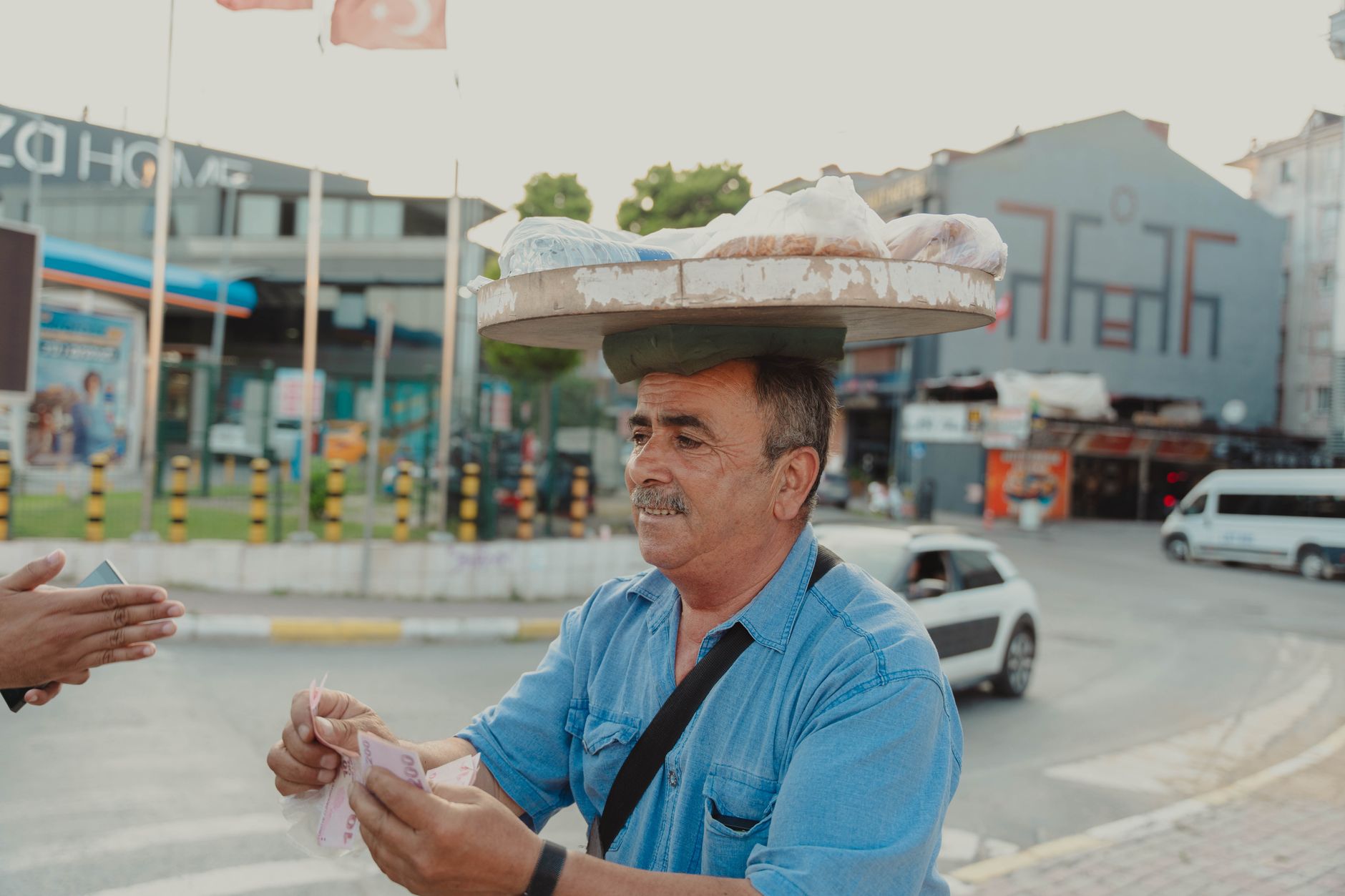
Turkey is mid-way through one of the most consequential economic transformations of its modern era — and the countries watching most closely are not in Brussels or Washington. They are in Riyadh, Abu Dhabi, Tashkent, and Lagos. After years of unorthodox monetary policy and inflation that peaked above 85 percent in late 2022, Ankara's pivot toward orthodox economic management under Finance Minister Mehmet Şimşek has begun to restore institutional credibility in ways the headline numbers alone do not fully capture. The lira has stabilised in relative terms, gross foreign exchange reserves have rebuilt to over USD 150 billion, and international capital — cautious on Turkish exposure for years — is re-engaging. For family offices and private investors across the Gulf and Central Asia, this rebalancing opens a rare window: an economy with deep industrial capacity, a young workforce of 85 million, and a geography sitting at the precise intersection of where global trade is being redrawn.
Monetary Discipline Meets Structural Opportunity
The Central Bank of Turkey held its benchmark rate at 45 percent through the first half of 2026, with a cautious easing cycle expected in Q3 as inflation tracks toward 30 percent year-on-year. Still elevated. But moving in a credible direction. What has shifted more dramatically than the numbers, though, is the signal itself. When Şimşek returned to economic leadership in mid-2023, the message to global capital was unambiguous: Turkey was re-engaging with conventional macroeconomic discipline. Consecutive current account improvements and a return to positive real interest rates have since reinforced that message. Foreign direct investment inflows rose approximately 18 percent year-on-year in 2025, driven by particularly strong interest in manufacturing, logistics infrastructure, and energy transition assets. The USD 1.1 trillion economy — ranked 17th globally — has a durability that short-term volatility has consistently obscured.
Gulf Capital Finds a Strategic Corridor
No regional bloc has moved faster to capitalise on Turkey's rebalancing than the Gulf. Both the UAE and Saudi Arabia have deepened their economic engagement with Ankara — driven by complementary strategic interests, not opportunism alone. Abu Dhabi's ADQ sovereign holding company has been active across Turkish agribusiness and logistics. Saudi Arabia's Public Investment Fund has evaluated industrial zone partnerships in Anatolia. That is a significant shift from where the relationship stood even three years ago.
This Gulf-Turkey corridor matters well beyond bilateral economics. Turkey sits between Central Asia and Europe, and as UAE Trade Minister Thani bin Ahmed Al Zeyoudi continues expanding the UAE's CEPA network — now encompassing 32 signed agreements, including landmark deals with Nigeria in January 2026 and the Democratic Republic of Congo in February 2026 — Turkey increasingly functions as the connective tissue between GCC trade ambitions and European and Central Asian markets. The UAE-Nigeria CEPA, signed during Abu Dhabi Sustainability Week in January 2026, positions Nigeria as the gateway to the African Continental Free Trade Area. The UAE-DRC agreement, signed in the presence of Sheikh Mohamed bin Zayed Al Nahyan and President Félix Tshisekedi, followed non-oil bilateral trade reaching USD 3 billion in just the first nine months of 2025 — up 16 percent year-on-year.
Turkey has been watching these developments carefully. Turkish Airlines operates more African routes than almost any other carrier globally. Turkish construction and consumer goods companies have been embedded across the continent for years. As Gulf trade corridors formalise through CEPA structures, Turkish businesses already positioned in overlapping African markets stand to benefit from the network effects in ways that few analysts have properly priced in.
Central Asia: The Tashkent Connection
The relationship between Turkey and Central Asia carries cultural and linguistic depth that predates any modern trade architecture. But it is acquiring new economic substance at pace. Few outside the region have noticed. They should.
At the Tashkent International Investment Forum in June 2026 — attended by Uzbek President Shavkat Mirziyoyev and investors from more than 100 countries — Khaled Alkhattaf, CEO of the Saudi Investment Promotion Authority, led a high-level delegation focused on renewable energy, strategic minerals, logistics, and the digital economy. Turkey held a visible presence in adjacent discussions, with Turkish firms active across infrastructure and construction projects in both Uzbekistan and Kazakhstan. The numbers on freight tell their own story. The Middle Corridor — the trans-Caspian trade route linking China to Europe via Central Asia, the Caucasus, and Turkey — processed record volumes in 2025 as shippers sought alternatives to Russian routes and Red Sea disruptions simultaneously. For investors, the infrastructure plays along this corridor represent a decade-long capital deployment story. Not a short-term trade.
Turkish construction conglomerates Kalyon Group and Limak Holdings have already established serious footholds in Central Asian markets. Appetite among Uzbek and Kazakhstani sovereign and family capital for reciprocal Turkish real estate and manufacturing exposure has grown measurably in both directions. Istanbul's positioning as a financial hub — its time zone bridging Gulf business hours and European markets — adds a layer of practical utility that Ankara has not always leveraged strategically but is visibly beginning to recognise.
Manufacturing, Defence, and the Reshoring Dividend
Turkey's industrial base remains its most underappreciated asset in international investment conversations. The country ranks among the top ten global textile exporters. It is a significant automotive producer, hosting plants for Ford, Fiat, Toyota, and Hyundai. Its defence manufacturing sector has achieved genuinely global reach — Bayraktar drones have become a case study in what emerging market industrial capability can look like when policy and private enterprise align. As multinationals continue reassessing supply chain concentration in the post-COVID, post-Ukraine reconfiguration, Turkey's combination of EU customs union access, proximity to Middle Eastern and African markets, and competitive industrial labour costs makes a compelling nearshoring case. German and Italian manufacturers have already expanded Turkish production capacity. The next wave of interest is arriving from Gulf conglomerates seeking manufacturing footholds that qualify for European market access — and Turkey offers exactly that.
What Sophisticated Investors Should Watch
For family offices and private investors allocating across emerging markets in 2026, Turkey demands a more considered read than headline inflation and currency figures typically suggest. The numbers tell a complicated story — but the direction of travel is clear to those willing to look past the noise. The investment thesis rests on three durable structural factors: the reintegration of Turkish assets into orthodox global capital markets, the country's irreplaceable geographic role as trade routes shift permanently southward and eastward, and the deepening of Gulf and Central Asian capital relationships bringing long-term patient money into Turkish infrastructure, real estate, and industrial assets.
Istanbul real estate — particularly in commercial logistics zones and branded residential — continues attracting Gulf family capital seeking hard asset exposure with rental yield. Private credit opportunities are emerging as Turkish corporates refinance legacy obligations at more sustainable terms. For those with longer horizons, equities on Borsa Istanbul delivered substantial real returns through 2024 and 2025, even after accounting for currency adjustments, and still offer exposure to a recovery cycle in its early chapters. The smart money is not waiting for the macro picture to be perfect. It is positioning while consensus is still catching up.

Written by
Sophie Aldridge
Global Economics Editor · Geopolitics
Sophie spent a decade advising governments on trade policy before deciding the story was more interesting than the memo. She covers global economics, geopolitics, and the power transitions reshaping emerging markets. Sharpest on sanctions, supply chains, and the politics behind the price of everything. Based in Washington, D.C. Reach out at sophie.aldridge@theplatinumcapital.com.


